This story is currently available in anglais only — a translation isn't ready yet.
Iran Sets Conditions on Hormuz, US Crude Prints 13.8mn, and the Pegs Do Not Move
Tehran ties the strait to Washington's conduct; American production sits near record; SAR at 3.7500, AED at 3.6725.
The overnight story is a sentence Tehran issued and a number Washington published, and neither of them moved the two exchange rates that matter most to readers of this column.
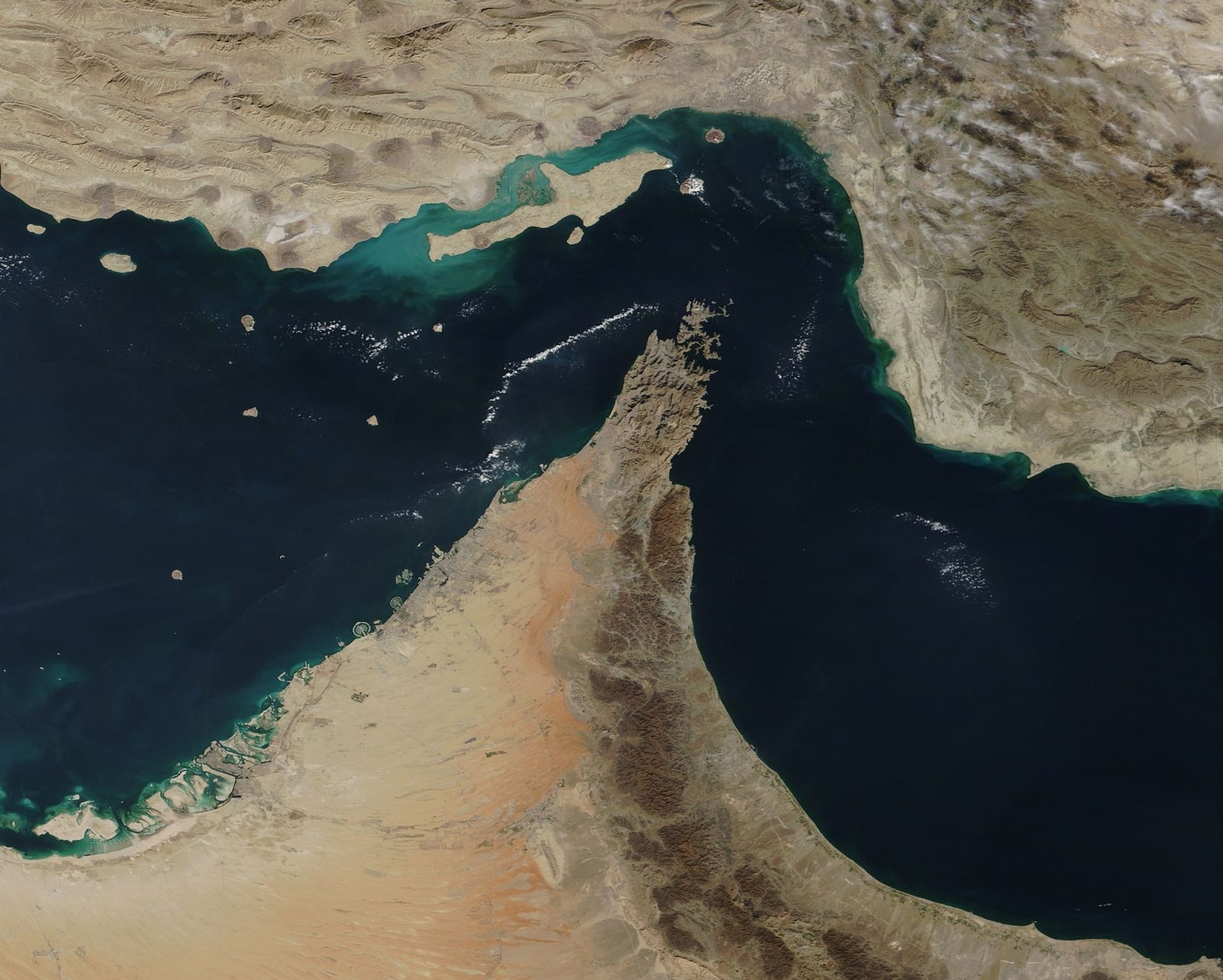
Iran said the Strait of Hormuz will not "open" until the United States "corrects" its behaviour — the framing arrived after Abu Dhabi confirmed one of its vessels had been struck. The Houthis, separately, claimed an attack on a Saudi refinery. Against that backdrop, USD/SAR is quoted at 3.7500 and USD/AED at 3.6725. Both figures are, to the fourth decimal, where they were on Friday, where they were last month, and where the two central banks intend them to remain.
The transmission mechanism deserves a line, because it is the whole point. A Gulf peg is not a market price; it is a policy commitment defended by reserves. When Tehran raises the temperature on Hormuz, the risk premium shows up in freight, in insurance, in the tanker charter market, and in the credit spreads on regional sovereign paper. It does not show up in the spot rate, because SAMA and CBUAE stand ready to make sure it does not. The peg is the shock absorber; the shock lands elsewhere.
Elsewhere, this week, is the US crude production figure. American output printed 13,804 thousand barrels for the week ending 31 July — within a rounding error of the country's structural ceiling. That number is the quiet ballast under every conversation about oil-price sensitivity in the Gulf. If Hormuz risk tightens the seaborne market, the marginal replacement barrel is American, and it is already being pumped at close to capacity. There is not much slack left to release.
So the day-ahead calculus for a Gulf reader is a triangulation. One vertex is a strait through which roughly a fifth of seaborne oil moves and around which the rhetoric has hardened. The second is a US supply figure that says the shock-absorber tank in West Texas is nearly full. The third is a pair of exchange rates whose stillness is a policy choice, not a market verdict.
What this means in practice: watch Brent's structure rather than its headline print — the front-month spread will tell you whether traders are pricing a genuine supply disruption or merely a fatter tail. Watch Gulf sovereign CDS, which is where the risk this peg refuses to express tends to migrate. And watch shipping insurance quotes in the Gulf of Oman, which will move faster than any government statement.
One dry observation before the day begins. A currency board's finest hour is the morning after a missile headline, when the quote screen prints the same four digits it printed yesterday, and a reader has to look twice to be sure anything happened. Something did happen. It happened in freight rates, in reinsurance desks, and in the mood of finance ministries from Muscat to Manama. It did not happen at 3.7500 or 3.6725, and it is not supposed to.
The pegs, in other words, are doing exactly the job for which they were designed: absorbing the noise so the rest of the economy can hear itself think.