This story is currently available in anglais only — a translation isn't ready yet.
Justice Dept. sought LinkedIn data on Times reporters in leak inquiry
A filing unsealed Monday shows prosecutors demanded metadata for six accounts and a freelancer's phone records in a probe of a 2025 story on a failed North Korea mission.
ℹ️ Lecture par le navigateur · voix studio IA bientôt
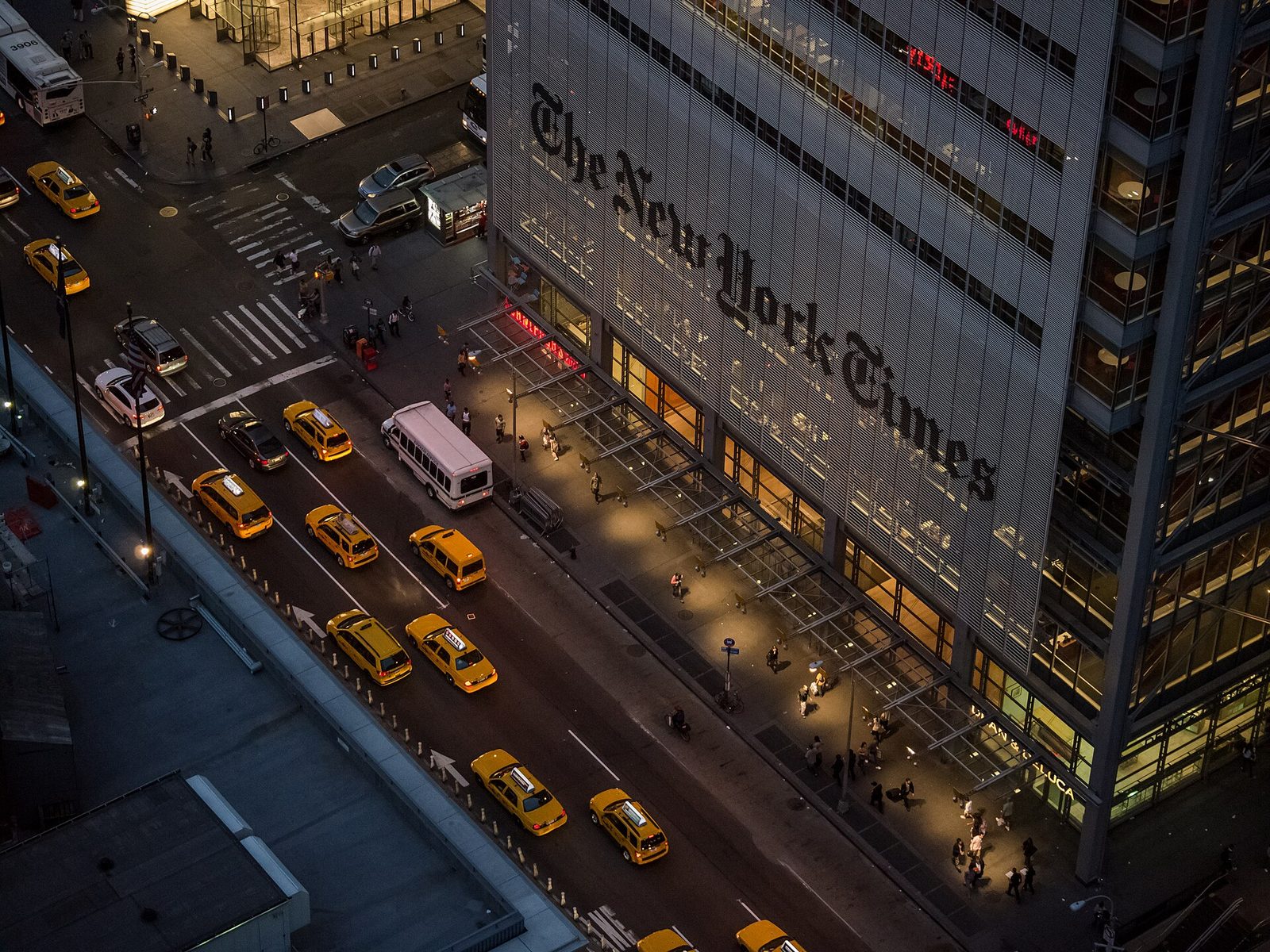
Federal prosecutors sought LinkedIn data on New York Times journalists and a freelancer's phone records as part of a leak investigation into a 2025 article about a failed top secret mission in North Korea, a court filing unsealed on Monday shows.
The disclosure was made in recent days to lawyers for Matthew Cole, a freelancer who helped write the article, which described the botched operation by Navy SEALs in 2019. Prosecutors told his lawyer, David O'Neil, that they had demanded LinkedIn share metadata from his client's account.
According to lawyers' statements in court, prosecutors sought the LinkedIn data for six different accounts — an indication they are looking at the digital activities of Cole, the four other Times journalists whose names appeared on the article, and one other person who may not be a reporter. They also sought Cole's phone records, showing whom he called and received calls from, and how long they spoke.
Prosecutors described the LinkedIn demand and the phone records as "the two efforts in this investigation to obtain records from third parties" related to Cole, the filing says.
The filing confirms the administration has sought to identify the article's sources on two parallel fronts in one overarching investigation. The administration subpoenaed Cole in February to testify about two years' worth of information about his contacts and conversations; his lawyers are trying to quash the subpoena as an impermissible intrusion on the First Amendment.
Cole is now seeking to delay a hearing scheduled for Thursday over a grand jury subpoena to force him to testify about his sources. He argues there are too many legal and factual uncertainties after an appeals court ruled against the administration last week in its effort to obtain 18 months of data from LinkedIn.
A three-judge panel halted a lower-court order requiring LinkedIn to hand over such an extensive trove of private data, saying it could reveal the identities of numerous unrelated confidential sources. Writing for the unanimous panel, Judge J. Harvie Wilkinson III, an appointee of President Ronald Reagan, said a government request to scoop up reporters' records wholesale "would tip the balance against informed discourse in a manner inimical to democratic health."
A spokesman for The New York Times, Charlie Stadtlander, said the disclosure suggested the Justice Department was not following its own rules for leak investigations, calling it "an affront to the legal rights protecting a free press."
Prosecutors oppose any delay, noting that a magistrate judge had already recommended Cole be required to testify and that resolving the LinkedIn matter could take a long time. They argued the subpoena was not improper or punitive and that Cole has never been threatened with jail for refusing to testify.
Jon Palmer, chief legal officer of Microsoft, LinkedIn's parent company, wrote last week that the company had a responsibility to its users and to following the law, adding that "technology providers are the last line of defense" when users are unaware the government is seeking their information.
The administration had pursued the LinkedIn data largely in secret, imposing a gag order to shield it from public view; the company went to court to object to the extent of the data demand and the gag order.
The article by Cole and a Times reporter recounted how a Navy SEAL Team 6 unit slipped into North Korean territory at night to plant a surveillance device. Interrupted by a boat, the troops feared they had been discovered and shot and killed everyone aboard; the North Koreans turned out to be unarmed civilians. The first Trump administration did not inform Congress of the operation.
Sources — how we know this
- PrimaryThe New York Times — U.S.