This story is currently available in anglais only — a translation isn't ready yet.
Hakan Aysal released in Butterfly Valley case
The Court of Cassation's General Criminal Assembly ruled for the release of Hakan Aysal, who had received an aggravated life sentence for pushing his pregnant wife to her death from a cliff.
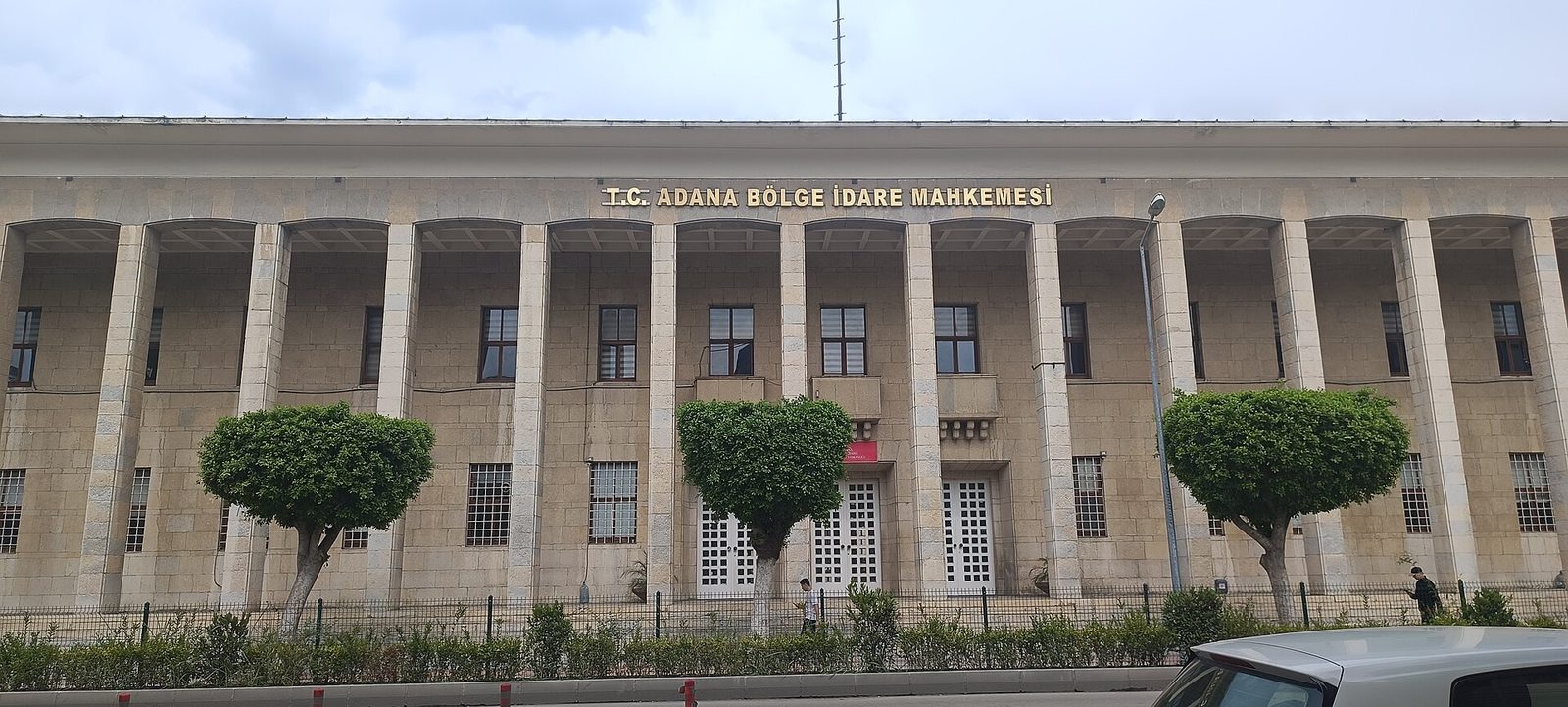
The Court of Cassation's General Criminal Assembly ruled for the release of Hakan Aysal, who had been sentenced to aggravated life imprisonment in the case concerning the death of his seven-month-pregnant wife Semra Aysal in the Butterfly Valley in the Fethiye district of Muğla on 19 June 2018. Aysal, who had been held in detention for about four years, was released from the Kırşehir High-Security Prison.
Semra Aysal fell from a height of about 300 metres from the rocks she had climbed to have her photograph taken in the Butterfly Valley, where she had come on holiday with her husband, and teams that descended into the ravine determined in a check that she had died. Within the scope of the investigation, Hakan Aysal was arrested in November 2020 on the allegation that he had pushed his wife to her death. The indictment alleged that Aysal had taken out a personal accident insurance policy on his wife with himself as the sole beneficiary, with a sum insured of 400,000 lira, and that in order to obtain this money he waited until the area was deserted before pushing Semra Aysal down.
The Fethiye High Criminal Court, at its final hearing on 15 February 2022, sentenced Aysal by majority vote to aggravated life imprisonment for the offence of "deliberately killing his pregnant wife with premeditation"; the sentence was also upheld by the Court of Cassation.
Ömer Taş, a prosecutor at the Court of Cassation Chief Public Prosecutor's Office, objected in 2024 to the upheld ruling with a nine-point objection petition. Taş stated that there were no eyewitnesses to the incident and that the evidence raising suspicion that the defendant had committed the crime related not to the moment the incident occurred but to transactions and events before it. Noting that it could not be proven that the insurance policy in question had been taken out by the defendant and that it had been established that "the signatures and handwriting on the policy did not belong to the deceased or the defendant either," Taş argued that it made no sense for the defendant to have made his wife pregnant if he planned to kill her, and that it was highly possible that Semra Aysal had lost her balance for a moment and fallen.
Semra Aysal's older brother Naim Yolcu said they had learned of the ruling from social media, adding: "The killer of my sister and the baby in her womb is now walking around freely. We are devastated as a family." Yolcu, noting that they had spoken with their lawyers and that an appeal could be lodged with the Constitutional Court on grounds of procedural error, said: "We will pursue our rights legally to the very end."
Sources — how we know this
2 independent sources corroborated this
- PrimarySabah Gazetesi
- CorroboratingMilliyet Emlak