This story is currently available in anglais only — a translation isn't ready yet.
Mecca Agreement submitted to Grand National Assembly: Defense pact covering Turkey, Saudi Arabia, and Pakistan
The 16-article agreement signed on August 7 includes a collective defense clause that treats an armed attack against any party as an attack against all parties, alongside Article 1 guaranteeing independence and territorial integrity.
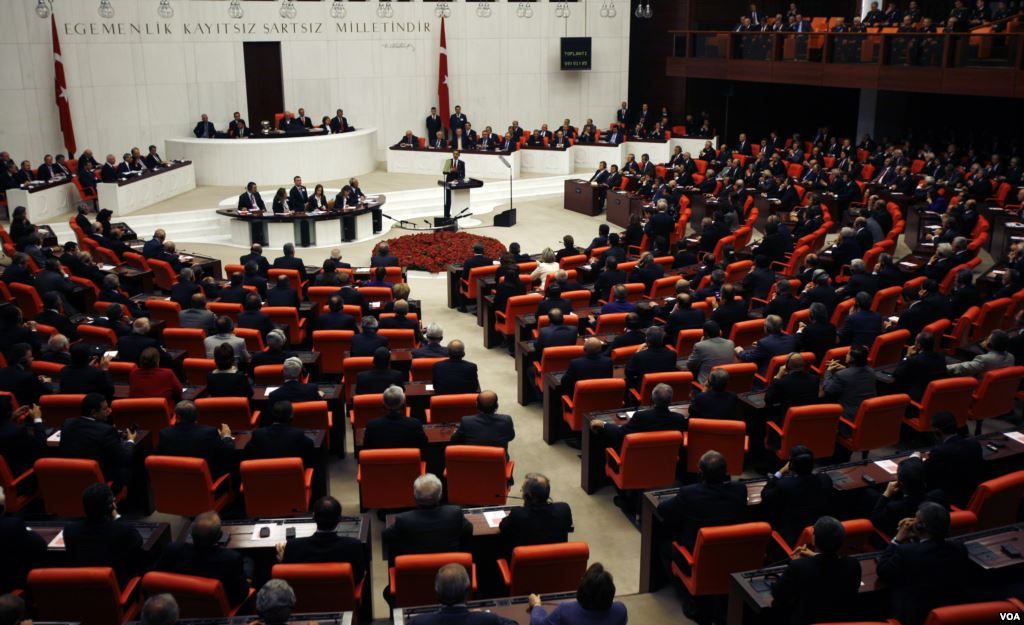
The "Mecca Agreement" signed between Turkey, Saudi Arabia, and Pakistan on August 7 was submitted to the Grand National Assembly Presidency as a bill of law amid growing public debate. Arriving on the Assembly agenda at a time when Israel's aggression in the Middle East and regional tensions are at their peak, the agreement raises the question of whether Ankara is opening a new military and political front in its foreign policy. According to the full text published by TRT Haber, the agreement consists of 16 articles.
Article 1 of the agreement stipulates that the parties will cooperate to ensure and protect each other's independence, sovereignty, territorial integrity, and the inviolability of their internationally recognized borders. The first article also stipulates that should the territorial integrity, sovereignty, or internationally recognized borders of any party be threatened or endangered, the parties will employ all necessary measures to eliminate such threats.
Article 2 defines an externally sourced armed attack against any party as an attack against all parties and imposes an obligation of "immediate" assistance to the attacked party. The scope and nature of assistance will be determined following an objective assessment of the aid needed within the framework of the legitimate self-defense right recognized by Article 51 of the UN Charter.
Article 3 envisages close cooperation in defense industry and security, and Article 4 foresees regular consultation on international security matters.
In opposition and political circles, however, there is vocal debate over whether the agreement indirectly contributes to Israeli security. The recent interception of Houthi missile and drone strikes directly targeting Israel by Saudi Arabian air defense systems is emerging as the primary basis for this debate. Critics in opposition circles argue that in any attack scenario, military support Turkey would provide to Saudi Arabia could constitute a step that, given the balance of power in the region, indirectly serves to ensure Israel's security and neutralize threats directed at Tel Aviv.
Sources — how we know this
- PrimaryCumhuriyet Gazetesi