This story is currently available in anglais only — a translation isn't ready yet.
Missouri spent $64.7M boarding state-custody children in hospitals, records show
A St. Louis teen spent more than 475 days at SSM Health Cardinal Glennon Children's Hospital over three years, part of it because he had no safe place to go.
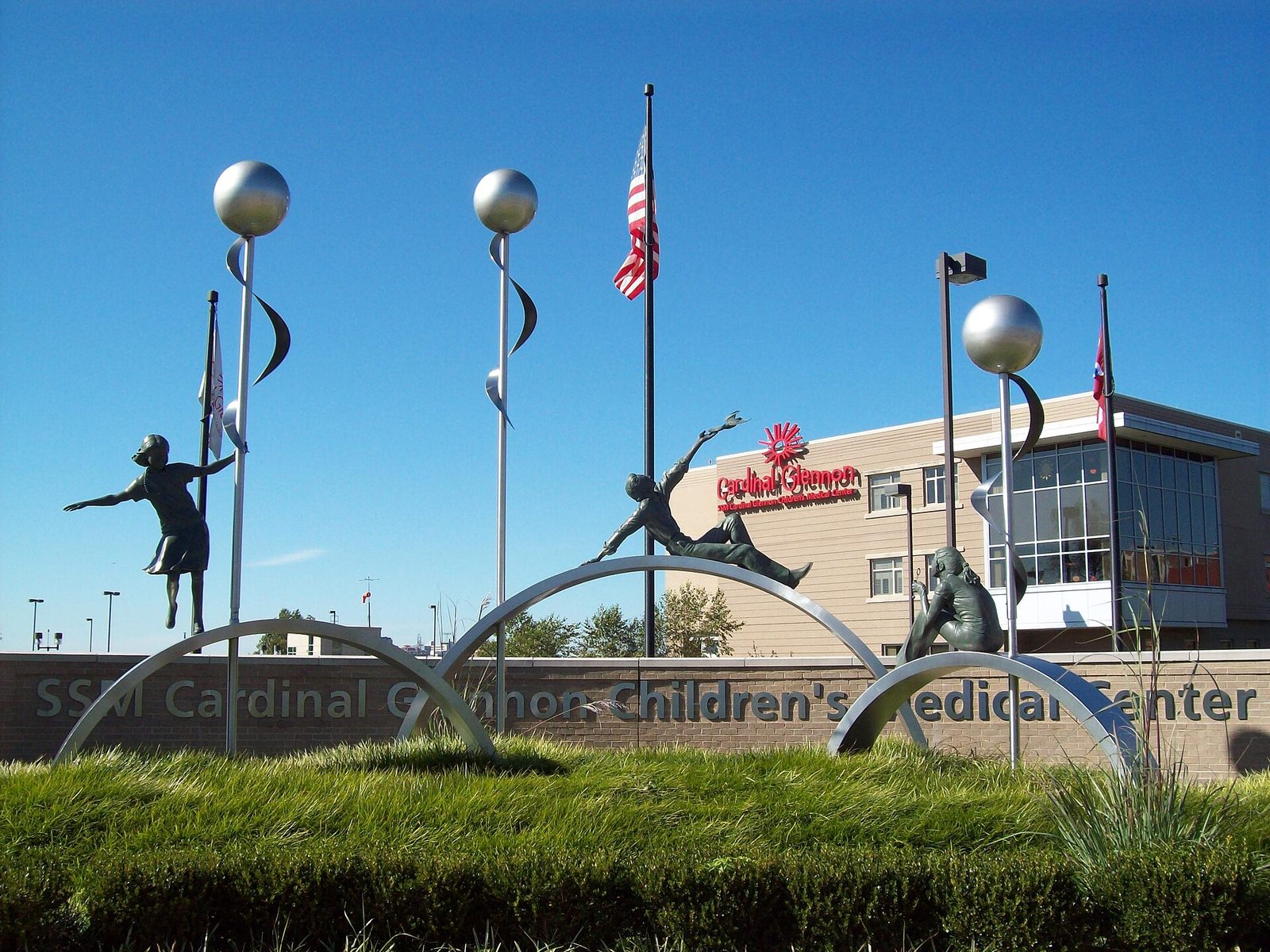
Jaloni was 14 when he arrived at SSM Health Cardinal Glennon Children's Hospital in St. Louis in June 2023, bullets having pierced his right arm and the right side of his chest. He stayed in the hospital for more than 475 days over the next three years, his medical records show — some of that time not because he needed medical care but because he had no safe place to go.
The now-18-year-old asked that only nicknames or first names be used to protect his family's safety. His case is an example of what is called a social stay, also known as hospital boarding, in which children remain in hospitals "beyond medical necessity." A shortage of suitable foster care homes can leave children with mental health issues, chronic physical conditions or disabilities that require special accommodations stuck in hospitals.
In the past five years, state records show, Missouri has spent more than $64.7 million boarding children in state custody in hospitals because they had nowhere else to go. Dave Dillon, a spokesperson for the Missouri Hospital Association, said that figure is a substantial undercount, because hospitals often do not have staff to log and request reimbursement for housing children.
One study from Minnesota found that boarding a child with a complex medical condition in a hospital cost about $3,932 a day in 2017. It is not clear how much of Jaloni's hospitalization was beyond what was medically necessary or how much the extra days cost. The hospital system declined to comment on the details of his stay. SSM Health spokesperson Liz Sharpe-Taylor said the system is committed to its "mission of serving those who are in need," and that when patients remain hospitalized for lack of discharge options, hospitals "often bear a burden of extensive uncompensated costs."
Jaloni was discharged after three weeks to a rehabilitation facility and then sent home, where he needed a wheelchair after what his doctors said was a spinal cord injury. His grandmother, his legal guardian since he was little, is a double amputee and uses a wheelchair herself. His mother, Quette, was juggling his care with her job as a paid caregiver for another family. "I just couldn't take care of him anymore," she said.
In November, with bedsores and what seemed like an infection, the family called 911 and he returned to Cardinal Glennon less than five months after he had been released. The family was accused of neglect; because they lived just across the river from St. Louis in Illinois, Jaloni became a ward of that state. A social worker raised the idea of a home in Chicago, about 300 miles away. He refused. His second stay lasted 250 days.
The shooting that wounded him killed a 22-year-old; a 16-year-old was charged in the death. "I felt like I was Superman with my gun," Jaloni said. "But when you get older, you realize that it's just stupid."
Sources — how we know this
- PrimaryCBS News