AgendaVerified
This story is currently available in anglais only — a translation isn't ready yet.
No Score to Report — Because Syria's Streets Are Burning Instead
When fuel price protests shut down highways in Damascus, the question isn't political. It's about who gets to play, and who gets to eat first.
Vitesse:
OF
Omar Farouk
· 2 min read
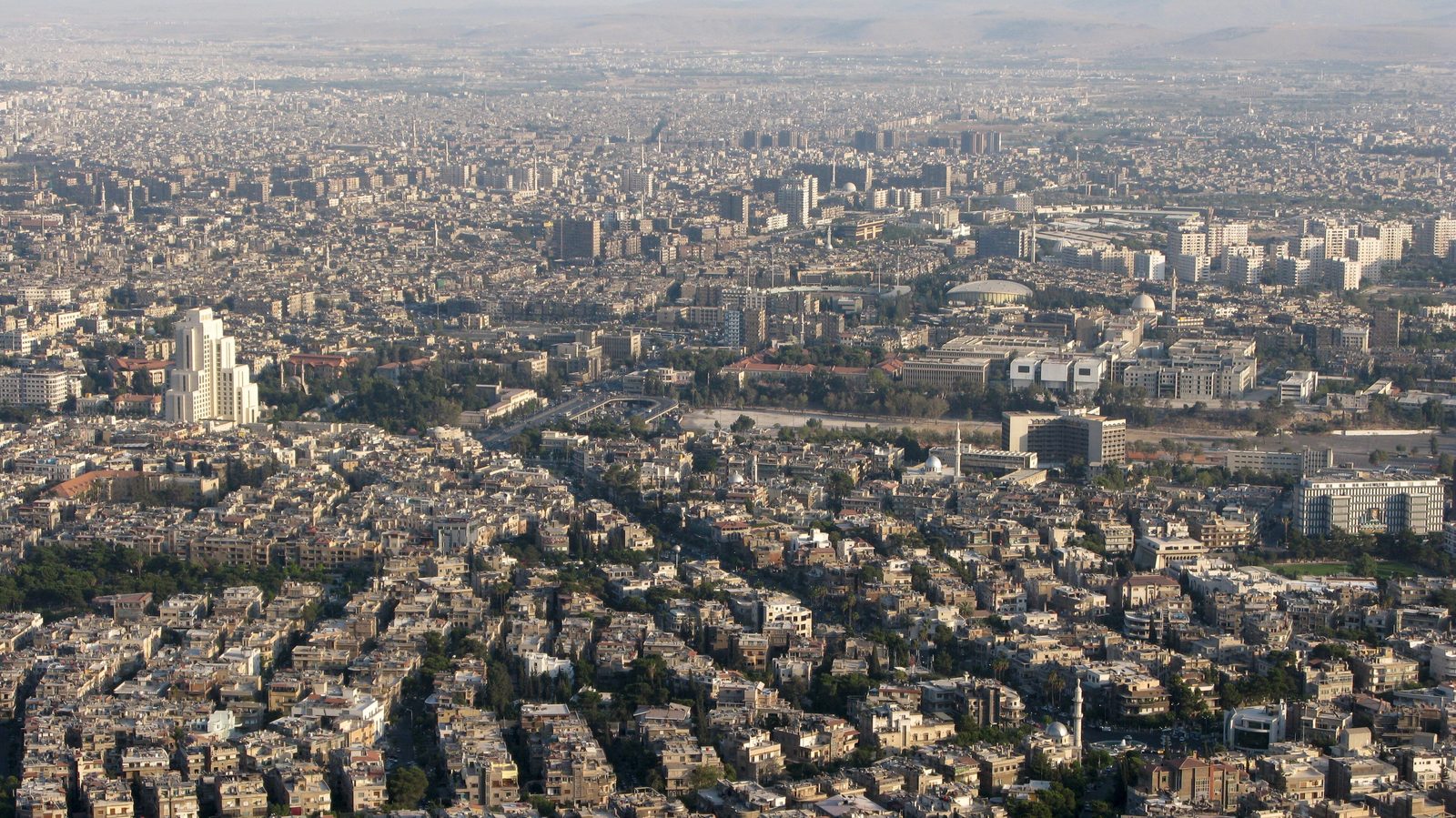
There is no match to open with today. No 87th-minute moment, no goalkeeper reading the flight of the ball, no corner of the paddock where something quietly extraordinary happened. What there is, instead, is the image of burning tyres on Syrian highways — demonstrators blocking roads across the country as protests over government fuel price increases spread through city after city.
I want to be careful here. This column doesn't moralize. Athletes lose; countries suffer; neither is a teaching moment for whoever is reading over their morning coffee. But I cover sport in a region where the boundary between the stadium and the street has always been thinner than the ticket stub, and when Syria's roads are on fire over fuel costs, I feel an obligation to at least pause the match preview.
Fuel, in this part of the world, is not an abstraction. It's the bus that takes a young footballer to training in a Damascus suburb. It's the generator keeping the floodlights on at a neighborhood pitch. It's the logistics chain that determines whether a regional football federation can run a league at all, or whether the league simply stops — not with a press conference, but with a quiet cancellation email that nobody outside the country notices.
Syrian football has been trying to rebuild competitive structures since the worst years of the war. That effort is unglamorous, poorly funded, and almost entirely absent from the coverage that fills the feeds of Gulf sports media. The players involved are not heading to the Saudi Pro League. They are not attracting transfer fees. They are people who play because the pitch is one of the few places in a fractured society where the rules still hold, where a foul is a foul and a goal is a goal.
When fuel prices spike sharply enough to trigger highway blockades, those structures don't announce their distress. They just quietly hollow out. Match days become harder to organize. Travel between cities becomes expensive enough that away fixtures get forfeited rather than contested. Youth academies lose the parents who can no longer afford the commute.
None of this shows up in a xG table. None of it trends on a transfer deadline day.
I am not telling you the protests will end Syrian football. I don't know that. What I know is that sport at the community level — the level that actually develops players and holds neighborhoods together — is almost always the first casualty when the economics of daily life collapse. Not the last. The first.
The cameras, naturally, will stay on the highways and the burning tyres. The pitches will go dark without a single close-up.