This story is currently available in anglais only — a translation isn't ready yet.
Nottingham Trent students' union warns against self-swab 'rape kits'
The Nottingham union says the kits, handed out by a company called Enough, can give false reassurance and may compromise forensic evidence
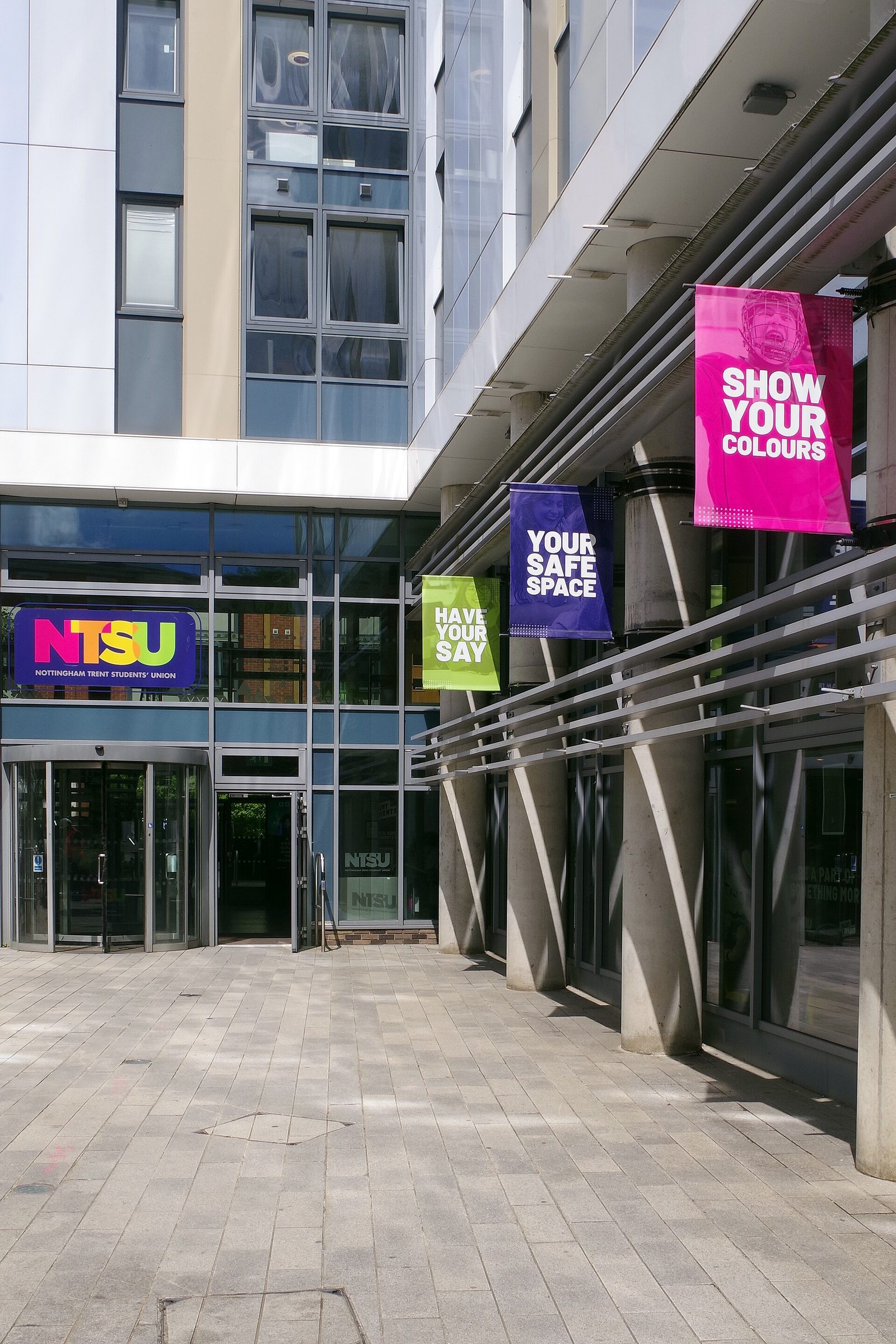
Nottingham Trent Students' Union has warned students against self-swab "rape kits" after the kits were promoted to university starters, saying experts have warned they can cause harm, give false reassurance and may compromise important forensic evidence.
In a statement issued on 4 November, the union said it was "concerned" about companies promoting self-swab rape kits to students in Nottingham. "NTSU do not endorse these kits," it said, adding that it has no partnership or affiliation with the companies behind them. Nottingham Trent University has been contacted for comment.
The kits are issued by Enough, a company whose online posts were banned last year. Enough describes itself as a "social movement" and visits universities, where it hands out leaflets and self-swab kits; a video on its Instagram page, posted in November, showed volunteers speaking to students in Nottingham. The swabs have not been successfully used as evidence in court, according to Enough.
In June, the Advertising Standards Authority ruled that Enough's website, a LinkedIn post and a GoFundMe page made unproven claims about how evidence from the kits could be used in court and how many women are raped in the UK each year, following a complaint brought by Sir Martin Narey, the former head of the Prison and Probation Service in England and Wales. The posts were banned because they lacked evidence. Enough said it updated its wording.
Katie White, who co-founded Enough, said the kits could "in principle" be used as evidence in court and that samples were sent to an "accredited laboratory" and stored for up to 20 years. She said the kits were designed for victims not ready to access other support, and that "the best, most detailed forensic evidence" is collected at a sexual assault referral centre.
In 2024, the Home Office, lawyers and the Faculty of Forensic and Legal Medicine said self-swabbed samples "may not be usable as evidence in court". The charity, which sets and maintains standards in forensic and legal medicine, wrote to universities in England and Wales last year saying it was "opposed" to the kits and urging them to direct students to sexual assault referral centres (SARCs).
Jodi Shaw, manager of the Topaz Centre, a SARC in Nottinghamshire, said the kits are marketed without endorsement from the FFLM and "may not produce admissible samples". She said examiners at SARCs were trained "to a very high standard", and that in self-referral cases the Topaz Centre stores samples for up to two years.
Dr Alex Gorton, director of the FFLM, said "these kits are not the answer" and that students who have experienced sexual assault should be guided to specialist support at SARCs. Chief Constable Sarah Crew, the National Police Chiefs' Council lead for adult sexual offences, said asking victims to collect intimate evidence alone, at a moment of crisis, "places an unfair burden on them". The NPCC, Rape Crisis and The Survivors Trust have warned against the kits.
Sources — how we know this
- PrimaryBBC England