This story is currently available in anglais only — a translation isn't ready yet.
Pakistan Defense Minister Asif Points to New Year for New Provinces
In the debate opened by Interior Minister Naqvi in July, a constitutional amendment requires 224 of 336 lawmakers and 64 of 96 senators.
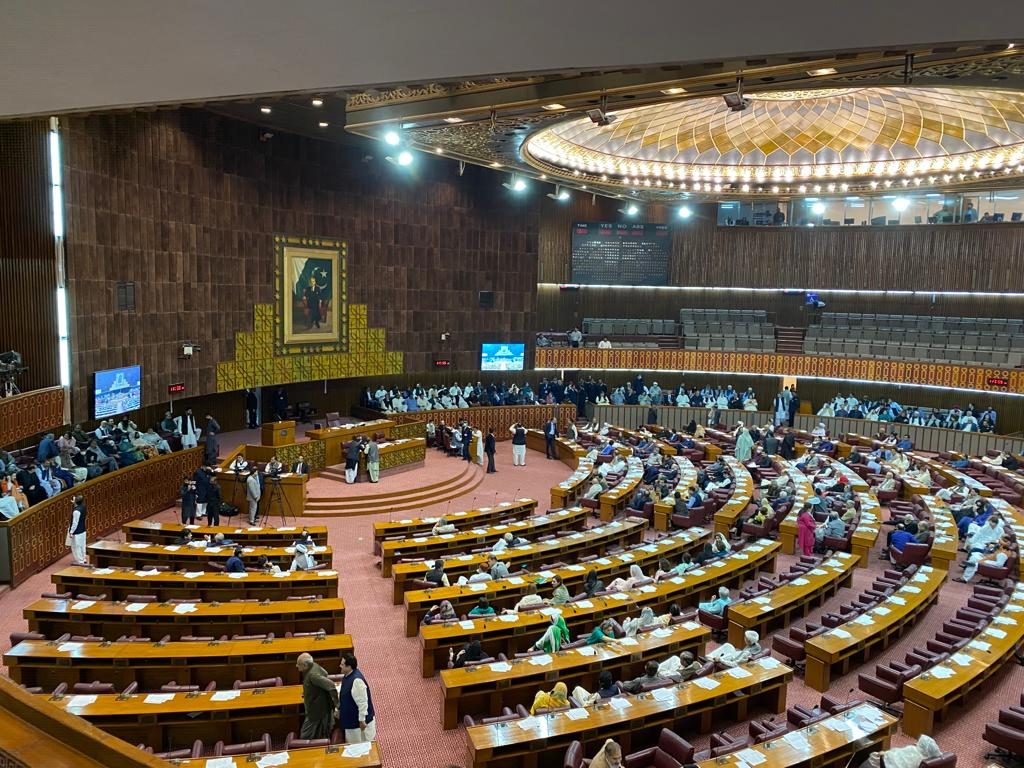
Pakistan's Defense Minister Khawaja Asif said the plan to carve new provinces out of the country's existing four could be implemented "in the new year." According to Al Jazeera, Asif said on a program on a private television channel, "My own view is that the new year will bring this, and that the new system will come, God willing." Stressing that his remarks were his own assessment, Asif added, "I don't have inside information right now, and if I did, I wouldn't disclose it on a program."
The debate dates back to the Islamabad economic summit on July 30, where Interior Minister Mohsin Naqvi first made the proposal public. At that meeting Naqvi said, "Unless units are created, owned and a new leadership comes, this won't work." Planning Minister Ahsan Iqbal, for his part, spoke of establishing 12 to 15 provinces through consensus.
Supporters of the proposal argue that the four provinces are too large to deliver services to a population of about 250 million, and that the 2010 constitutional amendment was ineffective in devolving powers and resources down to districts and cities. Federal Health Minister and Muttahida Qaumi Movement-Pakistan (MQM-P) leader Mustafa Kamal said in television interviews, "Powers and resources were taken in the name of the people and gathered in the prime minister's residence," and said this is precisely why smaller administrative units are being discussed. But Kamal said the matter has not been formally discussed in the federal cabinet and that he does not know how many new units are planned: "I too hear and watch all of this, but I officially know nothing."
The calendar is also tightening. Recalling that Senate elections will come early next year and the federal budget in June, Kamal said, "December is a very important month. Whatever is going to happen must happen before that." Punjab Assembly Speaker and PML-N leader Malik Ahmed Khan, meanwhile, said Asif had not set out a timeline.
The constitution recognizes four provinces but does not provide a separate procedure for creating a new one; the debate is focused on Article 239, which governs constitutional amendments. An amendment requires two-thirds of the total membership of both houses: 224 of the 336 National Assembly members and 64 of the 96 senators. Under 239(4), an amendment altering provincial boundaries also requires a two-thirds majority in that provincial assembly before it goes to the president for approval; that means 248 of 371 members in the Punjab Assembly and 112 of 168 in the Sindh Assembly.
Karachi-based constitutional lawyer Abdul Moiz Jafri told Al Jazeera, "When the constitution has this specific mechanism, no other route can be used." It has been tried before: in May 2012, the Punjab Assembly unanimously passed two resolutions moved by then provincial law minister Rana Sanaullah, seeking a South Punjab province and the restoration of Bahawalpur province. In March 2013, the Senate passed a constitutional amendment bill creating the Bahawalpur Janubi Punjab province; but the National Assembly's term expired without taking up the bill, and the proposal lapsed.
Naqvi said last week in Lahore that the question of new provinces should be put to the people. Article 48(6) of the constitution gives the prime minister the ability to bring a matter of national importance to a joint sitting of parliament; if the joint sitting approves, the matter can go to a referendum that puts a "yes-no" question to voters. Jafri, however, states that a referendum cannot take the place of the constitutional amendment process. Three referendums have been held in Pakistan to date, and all three were during periods of military rule.
Sources — how we know this
- PrimaryAl Jazeera English