This story is currently available in anglais only — a translation isn't ready yet.
Property tax revolt spreads as states cap what local governments collect
Florida's Amendment 3 and a North Carolina amendment lead a wave of 168 property tax measures enacted across 40 states since 2020, with counties warning of revenue gaps.
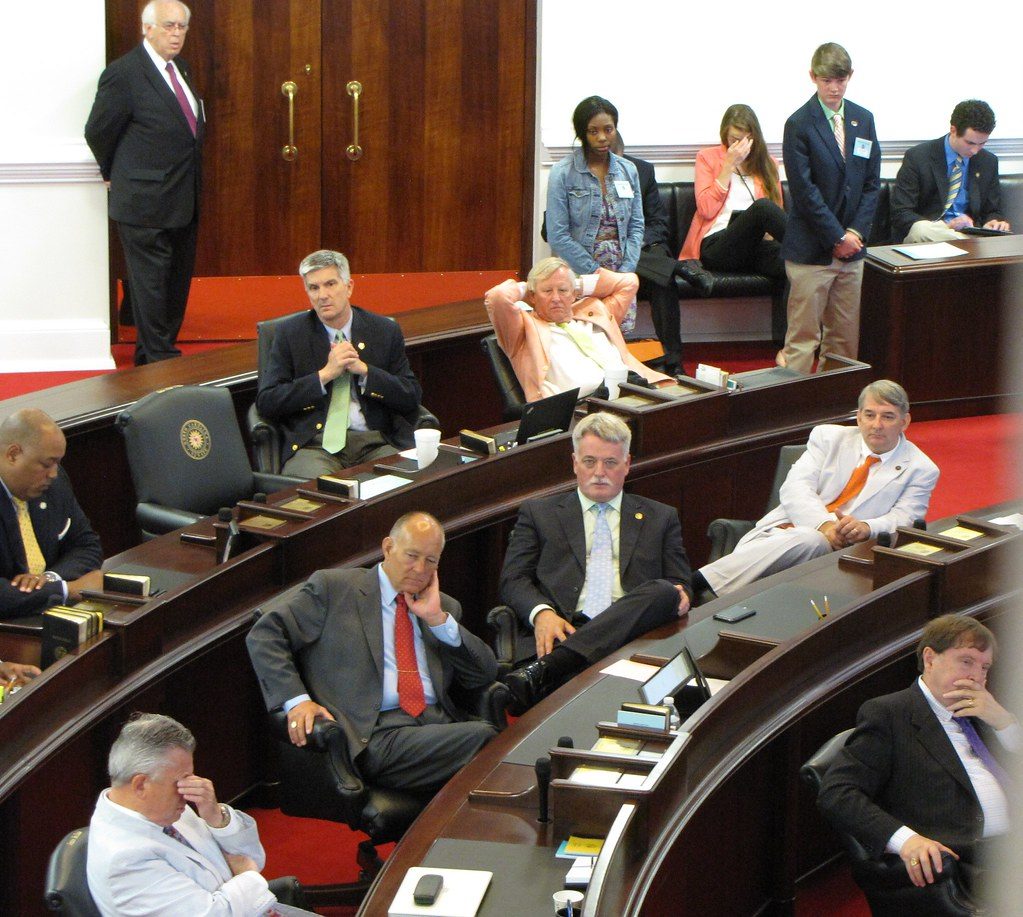
Florida voters approved Amendment 3 at the November 2024 general election, raising the share of a primary residence exempt from property taxes for non-school levies and lowering the cap on yearly assessments for certain properties — one of several state-level moves against rising property tax bills.
North Carolina voters approved an amendment requiring the state legislature to enact limits on property tax increases. Voters in Oklahoma and Wyoming rejected other property tax measures. In Ohio, an amendment to abolish property taxes did not gather enough signatures to reach the November ballot, and supporters plan to try again in 2027.
Matthew Chase, CEO of the National Association of Counties, called the ballot results a "mixed bag" but said he expects the trend to continue: "I think we'll continue to see property tax reforms."
Property taxes are levied as a percentage of a home's assessed value. Some municipalities use a millage rate, with one mill equal to $1 of tax per $1,000 of taxable assessed value. Yearly bills range from less than $250 in some rural counties to more than $10,000 in areas near large cities, per 2026 Tax Foundation data.
The median U.S. single-family home sold for about $300,000 in 2020 and roughly $419,000 in 2025, the National Association of Realtors reports. The median property tax bill for owner-occupied homes was around $3,300 last year, the U.S. Census Bureau's American Community Survey reported.
State lawmakers enacted at least 168 property tax measures — exemptions, credits, refunds and more — across 40 states and the District of Columbia between January 2020 and June 2026, per an October report from the National Association of Counties.
Jared Walczak, a senior fellow at the Tax Foundation, warned of the revenue consequences: "There's no realistic way to replace property taxes in most states." Property taxes accounted for about 28% of local funding nationally in 2024, according to the Lincoln Institute of Land Policy.
An October Tax Foundation analysis estimated Florida's Amendment 3 could cost local governments $4.9 billion in the first year, $8.7 billion in the second year and $11.8 billion annually by tax year 2031.
In Flagler County in Northeast Florida, Sheriff Rick Staly said in an email that it is "too early to know" how the amendment will affect his department's local law enforcement. "I pray we do not return to a pre-2017 level," he wrote, describing an underfunded, understaffed and reactive-only agency.
Chase said counties cannot stop providing services, so "the money's going to come from somewhere," noting some New York counties are paying more for rock salt this winter.
Sources — how we know this
- PrimaryCNBC Top News