EditorialVerified
This story is currently available in anglais only — a translation isn't ready yet.
The Bab al-Mandeb Empties: 1,400 Yemenis Cross to Djibouti in a Day
The Houthis are tightening the strait, and the first sign is a queue of small boats landing at Obock — not a shipping index.
Vitesse:
SA
Sherif Al-Mahdi
· 2 min read
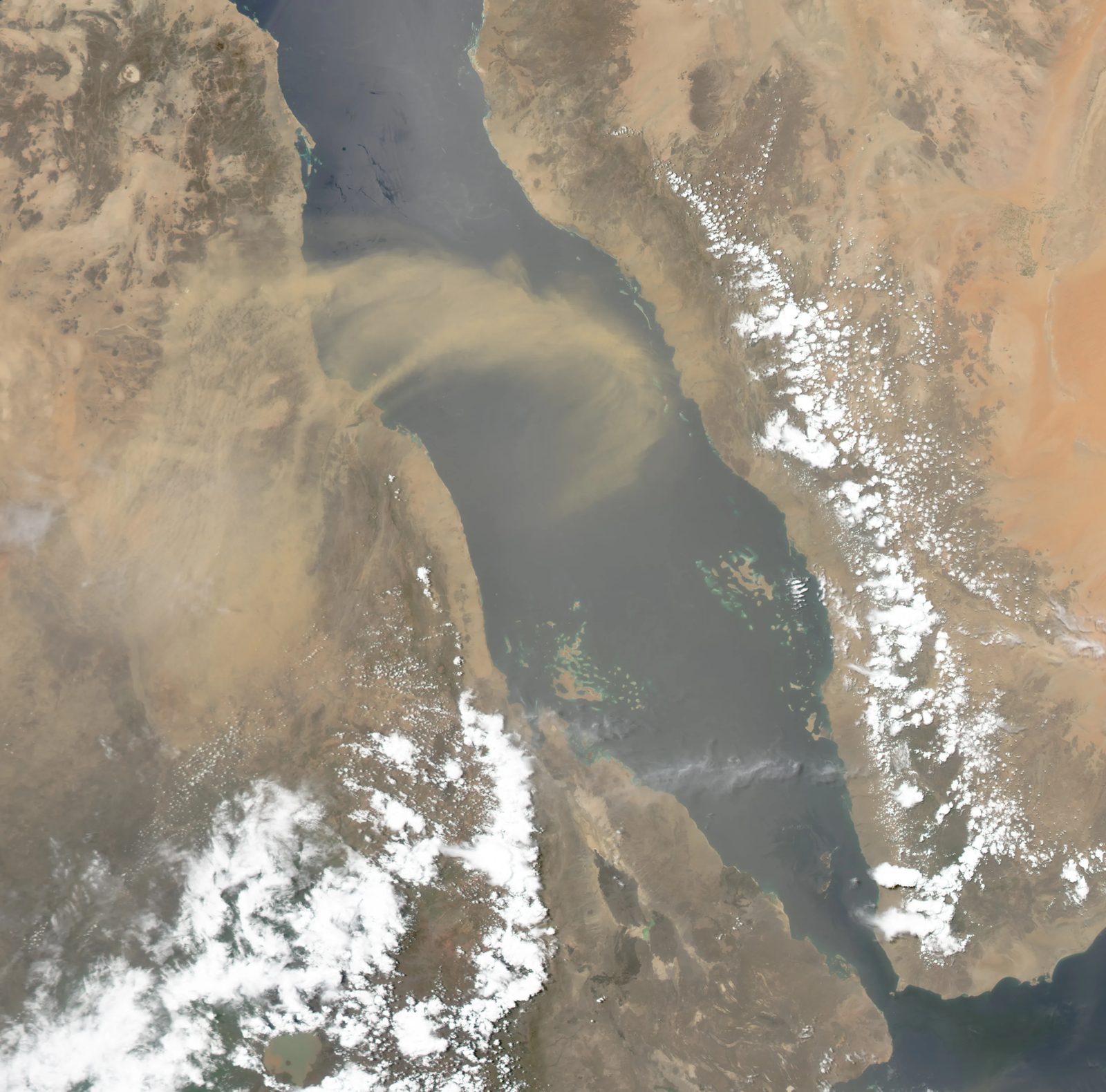
The most important number on the wires this weekend is 1,400 — the count of Yemenis who reached the Djiboutian port of Obock in a single 24-hour window, according to figures carried by Al Jazeera. When people move that fast across the Bab al-Mandeb, it is because someone on the Yemeni shore has decided the cost of staying has risen faster than the cost of a smuggler's skiff.
The official reading is that the Houthis are tightening their grip on the strait. That is the mechanism worth pausing on. A tighter grip is not only a matter of missiles fired at passing tankers — that story the world has been reading for two years. A tighter grip means checkpoints inland, conscription notices, requisitioned fuel, and the quiet closing of the exits that ordinary families had been using. The refugees are the leading indicator; the shipping headlines are the lagging one.
Djibouti is a country of roughly a million people. A day of 1,400 arrivals is not a caseload it can absorb quietly for long. Obock is a small town on a hot coast with limited water, and the UN's presence there has been living hand-to-mouth for years. If the pace holds even for a week, the diplomatic conversation shifts — from Red Sea insurance premiums, which occupy finance ministries in London and Singapore, to a humanitarian file that lands on desks in Addis Ababa, Riyadh and Cairo.
The backstage negotiation the wires are not carrying is the one between the Gulf capitals and Djibouti's government over who pays for absorption. Riyadh has funded Yemeni displacement before, quietly, through channels that do not appear in any communiqué. Abu Dhabi has its own interests on the African side of the strait — the port at Berbera, the base at Assab that was dismantled and never quite forgotten. When 1,400 people arrive in a day, the phones between these capitals ring before the press releases are drafted.
For the reader in Cairo, this reaches the kitchen through two channels. The first is the price of shipping: every renewed disruption at Bab al-Mandeb feeds into the cost of goods routed through Suez, and Suez revenues are already the sore tooth of the Egyptian balance of payments. The second is subtler. Yemen has been a source of remittances and a destination for Egyptian labour for decades. A Yemen that closes further means families in Upper Egypt lose a modest but real income line, and the informal money-transfer networks that carry it go quieter.
Picture the crossing itself. Obock's beach is not a port in any European sense — it is a stretch of sand where wooden boats are pulled up and unloaded by hand. A woman stepping off one of those boats yesterday carried, at most, what she could hold. She paid a smuggler in dollars she had been saving since the last time the strait was calm. She is now the responsibility of a Djiboutian coast guard officer who has seen this film before, and of an aid worker whose budget was cut in the spring.
The humanitarian file is the leading indicator of the security file. Read the beach at Obock, and you will know what the shipping desks in London will be pricing six weeks from now.