This story is currently available in anglais only — a translation isn't ready yet.
The Saffron Route Still Runs Through Yerevan
A meeting between Tbilisi and Tehran, held in an Armenian city, tastes of something older than diplomacy — it tastes of the Silk Road kitchen.

The smell arrives before the politics do. Imagine the conference rooms in Yerevan this week, and what I keep returning to is not the handshakes but the food that would have been laid out somewhere nearby — lamb slow-cooked with dried apricots, flatbread still warm from a clay tonir, a bowl of herb salad that smells of tarragon and wet stone. Three cuisines that do not collapse into one another, no matter how many times the outside world tries to flatten them. Georgian, Armenian, Persian — each a distinct grammar, each carrying its own grandmother.
Georgian Dream's Prime Minister Irakli Kobakhidze met Iranian President Masoud Pezeshkian on October 16 in Yerevan, on the sidelines of a multilateral conference. Tehran, according to reports, called for 'practical cooperation.' It is a phrase so diplomatic it could mean anything. But in this part of the world, practical cooperation has always begun at a table. The Caucasus and Persia have been negotiating over food for longer than either has had a foreign ministry.
Let me tell you about fesenjan.
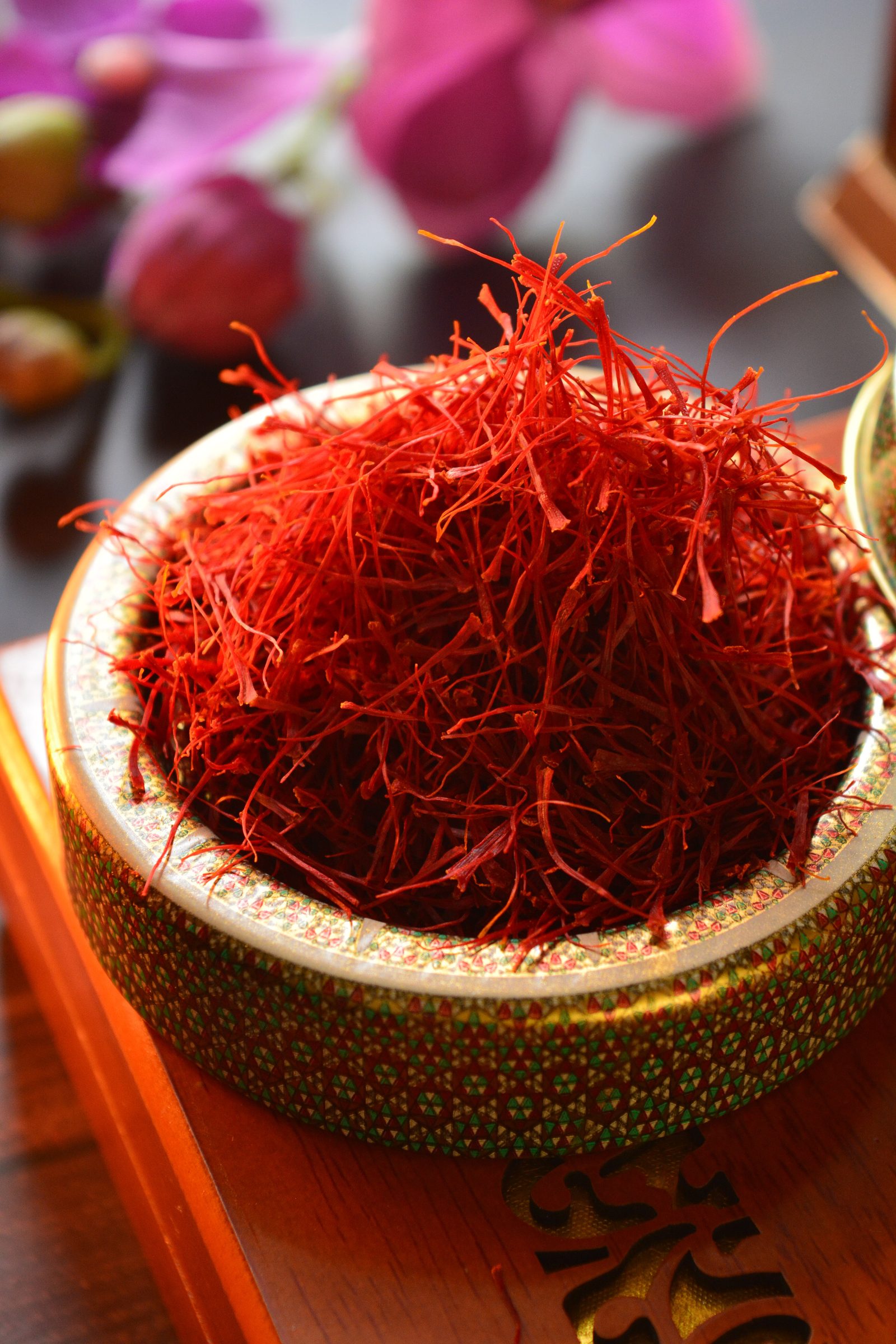
My mother's neighbor in Tbilisi, a woman named Tamar whose mother had come from a Persian-speaking community near Ganja, made it every autumn when the walnuts came down. You start with two cups of walnut halves, toasted in a dry pan until the kitchen smells like the inside of an old library — warm, dusty, a little dark. Grind them fine, not to paste, just to a coarse powder that holds some texture. In a wide pot, brown your chicken pieces — skin on, bone in — in a spoonful of oil over medium heat. Set them aside. In the same fat, soften a large onion until it turns the color of weak tea, then add the walnuts and stir them into the oil until they deepen. Pour in a full cup of pomegranate molasses — the Persian kind, which is thicker and more sour than the Georgian version, though both are honest — and add enough water to make a sauce that moves but is not thin. Lower the heat until it barely shivers. Return the chicken. Cover. Let it go for forty-five minutes, tasting every so often and adjusting the sourness with more molasses, the sweetness with a small spoon of honey if the pomegranates were young that year. A pinch of saffron, dissolved first in a tablespoon of warm water, goes in at the end. Not before. Saffron added too early loses its voice.
Tamar always said her mother learned fesenjan across a market stall from an Azerbaijani woman who had learned it from an Iranian trader. Which is how most recipes in this region actually travel — not through cookbooks, but through proximity, need, and the willingness to ask a neighbor what she is making and why it smells like that.
This is the kitchen logic of the Caucasus meeting Persia in Yerevan: nothing here is clean and separate. The Georgian supra table carries Persian influence in its walnut sauces and pomegranate reductions. Iranian polo rice has borrowed spicing from trade routes that passed through what is now Georgia. Armenian cuisine sits between them, holding both and belonging entirely to itself — which is its own kind of strength.
When politicians meet in this corridor of the world and speak of practical cooperation, the food that surrounds them already knows what cooperation looks like. It looks like a sauce that requires two countries' ingredients to taste right. It looks like a grandmother who learned across a border.
The geopolitical weight of the Kobakhidze-Pezeshkian meeting is real. Georgia occupies a precarious position between Russian pressure and a still-distant European horizon, and Tehran is not a simple partner for any government with Western ambitions. These are serious complications, and I will not dress them in saffron to make them easier. But what I know from this region, from cooking in it and eating in it and listening to its older women talk about where recipes came from, is that the routes between these places were never only for armies or oil. They were for spices that only grow in one valley. For the pomegranate molasses that a cook two borders over discovered first.
Walnuts still come down in Georgia this time of year. The air in Tbilisi in October has that particular cold-sun quality, the light going amber by four in the afternoon. If Tamar were still alive and still cooking, her kitchen would smell of toasted walnuts and the slow collapse of onions into oil right now. She would not care what the foreign ministers were discussing. She would care that the pomegranate molasses was the right kind — Persian, she always insisted — and that the saffron went in last.
Some routes, the ones that matter most, have always run through kitchens before they ran through conference rooms. They run there still.