This story is currently available in anglais only — a translation isn't ready yet.
UK and Nordic-Baltic ministers pledge winter air defence support for Ukraine
Joint statement issued after foreign ministry representatives from nine countries met aboard HMS Prince of Wales in Oslo for the Atlantic Future Forum
ℹ️ Lecture par le navigateur · voix studio IA bientôt
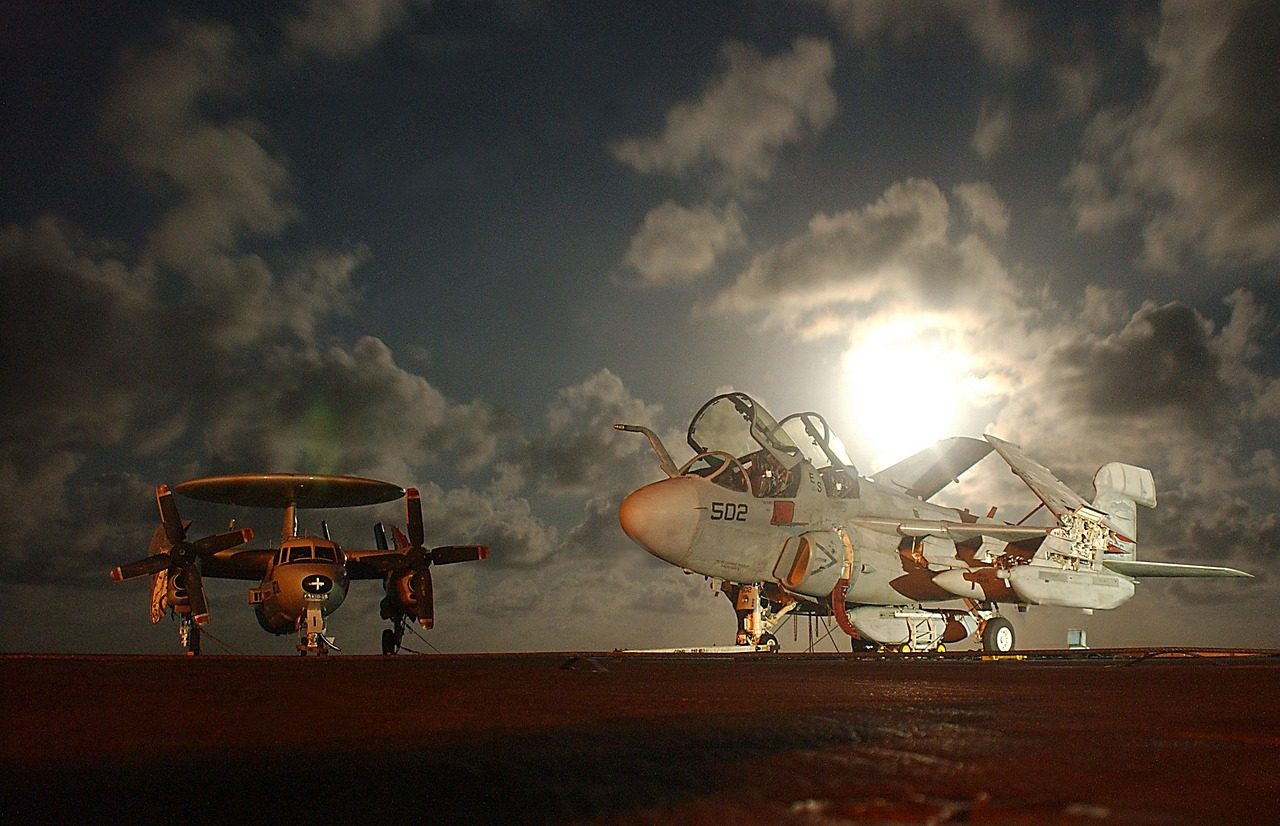
Ministers and senior foreign ministry representatives from nine countries met aboard the aircraft carrier HMS Prince of Wales in Oslo on 11 November and committed to step up support for Ukraine through another winter of Russian attacks.
The meeting, at the Atlantic Future Forum, brought together representatives of Denmark, Estonia, Finland, Iceland, Latvia, Lithuania, Norway, Sweden and the United Kingdom. UK Minister Lord Wood chaired a roundtable with the Nordic-Baltic allies focused on practical action to strengthen Ukraine, secure the seas, deepen European cooperation and build collective economic resilience.
In a joint statement, the ministers said the immediate priority is to help Ukraine withstand another winter of attacks by the Russian state. They committed to work together to strengthen Ukraine's air defence and resilience, protect its critical energy infrastructure and meet its most urgent defence needs.
They reaffirmed that matters of European security cannot be decided without Europe, and that decisions on Ukraine's future cannot be taken without Ukraine. They also said there can be no just and lasting peace without accountability for the crime of aggression.
On pressure against Russia, the ministers committed to further reduce Russian energy revenues, strengthen sanctions enforcement and disrupt the financial and crypto networks and circumvention routes that sustain the war. They said they would continue to disrupt Russia's shadow fleet and the vital revenues it generates for the Russian state, and to tackle hybrid attacks.
Maritime security formed a second strand. The ministers said the security of the seas connecting their countries is fundamental, pointing to growing strategic competition and threats to critical infrastructure across the North Atlantic, Baltic Sea and High North. They agreed closer UK-NB8 maritime cooperation should reinforce NATO and the transatlantic bond and build on existing cooperation including through the JEF, with closer monitoring, faster information-sharing and improved coordination on threat assessment. They committed to deepen cooperation to protect critical underwater infrastructure and to explore a shared approach to responding to subsea maritime security incidents.
The statement also covered the security implications of growing Russia-China cooperation and developments in Arctic maritime activity, and reaffirmed commitment to international law including the United Nations Convention on the Law of the Sea (UNCLOS). It said Russia's shadow fleet poses serious maritime and environmental risks through its unsafe practices in addition to its illegal activities.
The ministers welcomed the strengthening UK-EU relationship, including a security and defence partnership, and looked ahead to the UK-EU Summit on 20 November as an opportunity to deepen cooperation further.