This story is currently available in anglais only — a translation isn't ready yet.
Ulster Museum hosts coronial investigation into Iron Age Ballymacombs More Woman
Remains found in bogland near Bellaghy in Co Londonderry in 2023 were those of a woman aged 15 to 22, deliberately decapitated more than 2,000 years ago.
ℹ️ Lecture par le navigateur · voix studio IA bientôt
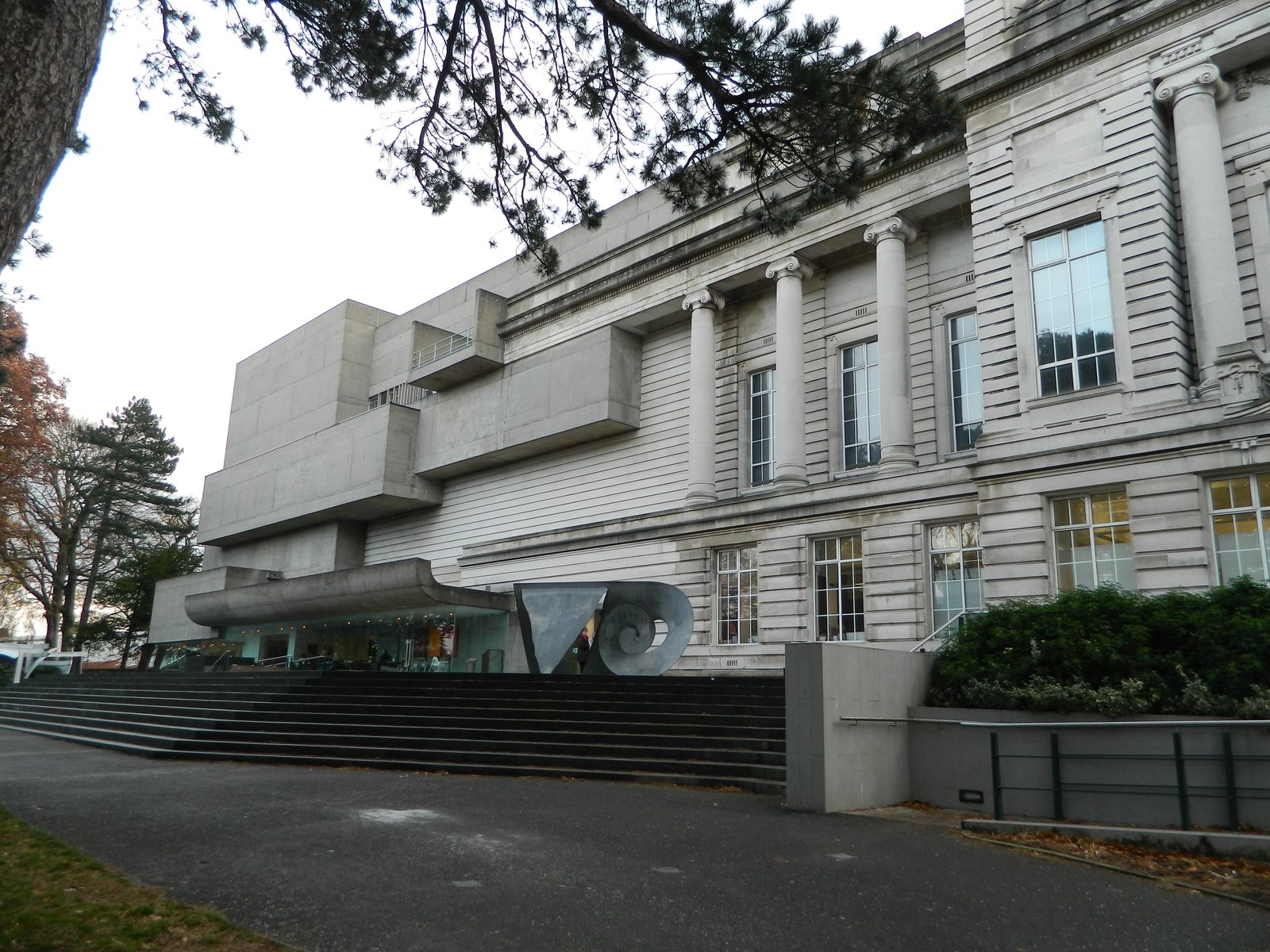
The remains of a young woman who lived in Northern Ireland during the Iron Age have been examined at a coronial inquest held at the Ulster Museum in Belfast.
Ballymacombs More Woman, as she has been named, was found with a woven artefact in bogland near Bellaghy in Co Londonderry in 2023. Monday's hearing was chaired by Belfast Coroner Joe McCrisken and followed the structure and methodology of a contemporary coroner's investigation, conducted as an educational and investigative exercise.
National Museums NI said Lady Chief Justice Dame Siobhan Keegan was consulted and the event proceeded with her imprimatur as part of the judiciary's outreach programme. It pursued the same fundamental questions as modern inquests: who the deceased was, where and when she died, and by what means she came by her death.
The evidence established that she was female, aged approximately 15 to 22, and died during the Iron Age. Scientific analysis showed she suffered a deliberate decapitation, most likely inflicted from behind with a bladed weapon. Examination of her remains and associated artefacts also provided insights into her diet, health, appearance and the world in which she lived.
The precise circumstances surrounding her death remain unknown, but the evidence suggested she may form part of a wider tradition of ritualised killing and sacrifice documented among bog body discoveries across Iron Age north-western Europe, alongside finds such as Tollund Man, Grauballe Man and Ireland's Clonycavan and Old Croghan Man.
Researchers, museum professionals, forensic experts and members of the public took part in the consideration of the evidence. Witnesses included officers from the Police Service of Northern Ireland and employees of Bulrush Horticulture, whose work led to the discovery of the remains. Research partners included Queen's University Belfast, the National Museum of Ireland, Trinity College Dublin, University College Dublin, the University of Copenhagen, the University of Glasgow, the University of Bradford and the University of Manchester.
The research programme used micro-CT scanning, digital mapping, 3D imaging and specialist analyses of bone, hair, skin, nails and the associated textile.
In his concluding remarks, McCrisken said the purpose of the exercise was "not to impose modern legal conclusions upon the distant past". Niamh Baker, Curator of Archaeology at National Museums NI, said: "we immediately understood the magnitude of this discovery". Hannah Crowdy, Head of Curatorial at National Museums NI, said the woman's story will help inform new interpretation being planned in the Early Peoples gallery at the Ulster Museum.
Sources — how we know this
2 independent sources corroborated this
- PrimaryEvening Standard — UK
- CorroboratingBelfast Telegraph