This story is currently available in anglais only — a translation isn't ready yet.
WHO releases AMR testing tools as one in six infections resists treatment
Only 36 percent of countries have a national reference laboratory able to test for resistance in all bacteria and fungi the WHO monitors, against an 80 percent target for 2030.
ℹ️ Lecture par le navigateur · voix studio IA bientôt
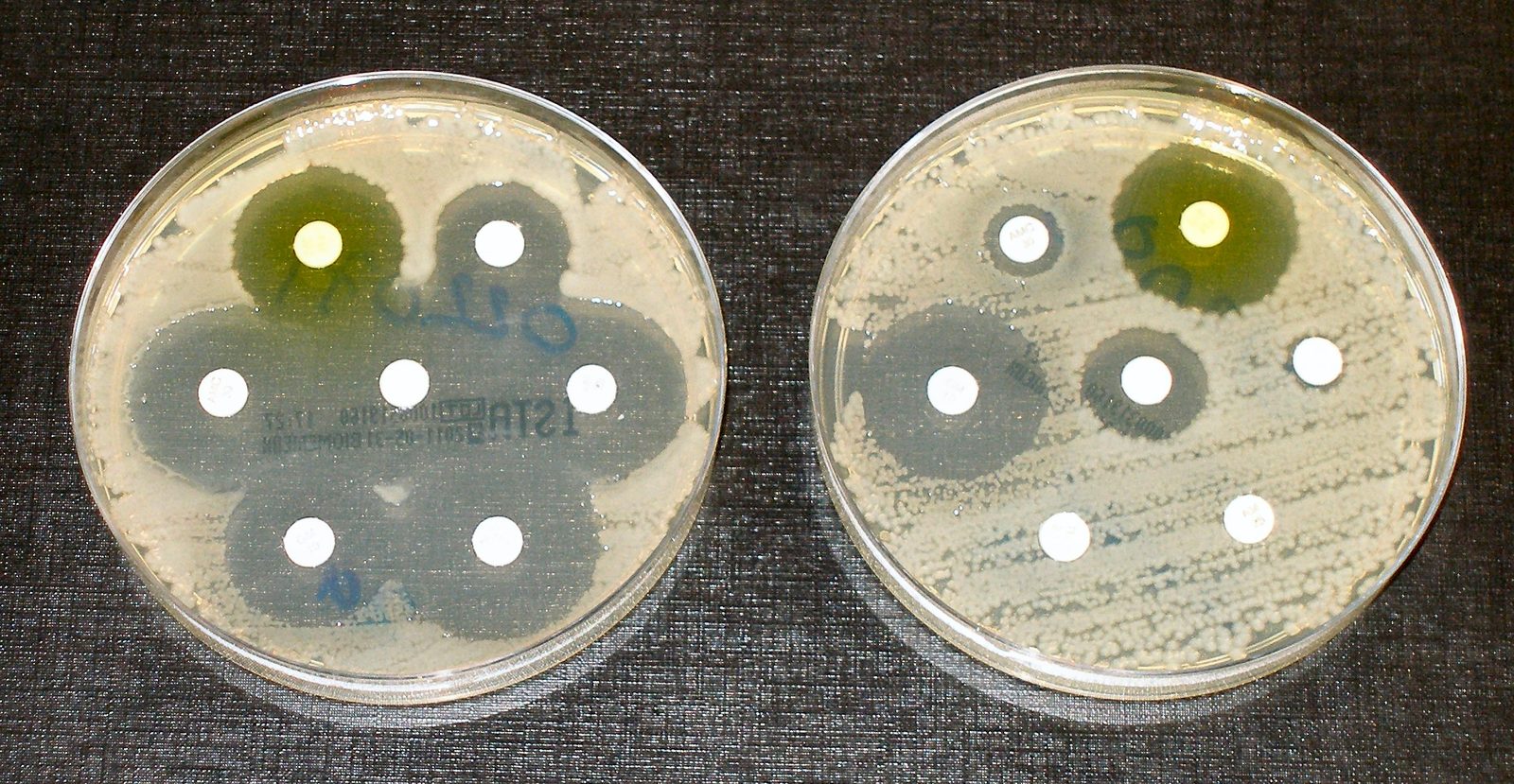
The World Health Organization released two new diagnostic tools on Monday after its officials said progress on antimicrobial resistance remains too slow to meet the 2030 targets.
One tool sets out the tests that should be available at every level of a health system, from primary care centres to referral hospitals. The second compiles 73 laboratory procedures, from sample collection to the identification of pathogens and antibiotic susceptibility testing.
"Antimicrobial resistance is widespread and threatening the future of modern medicine," said Jean-Pierre Nyemazi, interim head of antimicrobial resistance at the WHO.
The agency said AMR was directly responsible for more than one million deaths in 2021 and linked to some 4.7 million others. Its latest surveillance data show that in 2023, one in every six laboratory-confirmed bacterial infections flagged to the WHO was resistant to the antibiotics used to treat it.
A WHO investigation in 183 countries found nearly nine in 10 had a national action plan against resistance, against around four in 10 in 2017. But only 42 countries — less than one in five — said their plan was financed, implemented and monitored, said Pravasha Prakash, an AMR technical officer with the global health agency.
"Progress still needs to be speeded up to reach the 2030 targets," Prakash said.
Access to diagnostics remains the main weakness. Only 36 percent of countries had a national reference laboratory capable of testing for resistance in all bacteria and fungi monitored by the WHO, well short of the 80 percent target set for 2030.
"Without testing, clinicians must treat without knowing the cause of infection," said Sylvia Bertagnolo, head of surveillance for AMR at the WHO.
The WHO has estimated that AMR could cause some 39 million deaths between now and 2050. It said infection prevention, vaccination, improved access to water and sanitation and the appropriate use of antimicrobials are the main levers, alongside better use of existing antibiotics at a time when new treatments are failing to keep pace with resistance.
Sources — how we know this
- PrimaryAsharq Al-Awsat (EN)