This story is currently available in anglais only — a translation isn't ready yet.
West Nile virus in Greece: 453 cases, 51 deaths; expert warns Thrace and Aegean regions
Five districts around Athens declared high-risk; Dr. Turan from Marmara University said the virus could penetrate Turkey through bird migrations and ferry traffic.
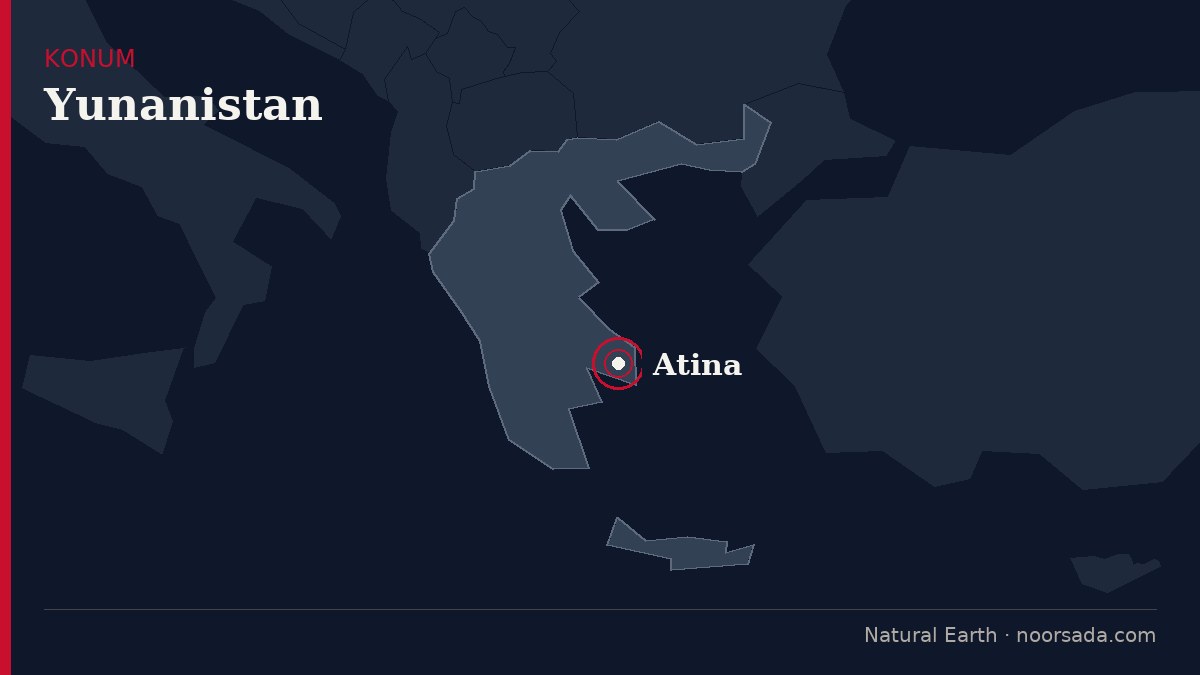
West Nile virus outbreak in Greece reached 453 cases from the start of 2026 through October 22; the death toll climbed to 51 with two additional deaths recorded in the week of October 16-22. The number of patients receiving intensive care treatment was recorded at 12. The ages of those who died were reported to range from 36 to 92.
Greece's National Public Health Authority designated Nea Smirni, Nea Filadelfia, Dafni, Nikaia, and Peristeri in the Athens area—where cases are concentrated—as high-risk regions.
Dr. Yavuz Turan, a faculty member at the Zoology Division of the Department of Biology at Marmara University's Faculty of Science, told Hürriyet.com.tr that the situation in Greece poses a serious risk for Turkey's border cities and tourist regions. According to Turan, migratory birds from Greece can reach Edirne, the Thrace basin, and Aegean wetlands, potentially transmitting the virus to local mosquitoes; mosquitoes in ferry and yacht traffic between Greek islands and the coasts of Izmir and Muğla could also create new outbreak foci on the shoreline.
Turan explained that temperatures above seasonal averages accelerate the breeding rate of Culex mosquitoes that carry the virus, while drought pushes birds and mosquitoes closer together in confined areas, accelerating transmission. Noting that the Asian tiger mosquito has become established in virtually all of Turkey's coastal strips, particularly Istanbul, Turan said this species, which is active during the day, can breed in stagnant water under plant pots and in discarded tires, and that nighttime municipal spraying is insufficient against this type.
Recommending protection through drying stagnant water under pots and in bucket bottoms and installing screens on windows, Turan reminded that high fever, severe headache and muscle pain, and neck stiffness beginning within 2-14 days after a bite are signs to seek immediate medical attention.
Sources — how we know this
- PrimarySözcü Gazetesi