This story is currently available in anglais only — a translation isn't ready yet.
Kazakhstan promotes Trans-Caspian route as 'green' Asia-Europe corridor
At the COP31 session in Turkey, Deputy Minister of Trade Zhanel Kushukova presented plans to grow cargo traffic, digitalize logistics and introduce environmental standards on the route stretching almost 7,000 km.
ℹ️ Lecture par le navigateur · voix studio IA bientôt
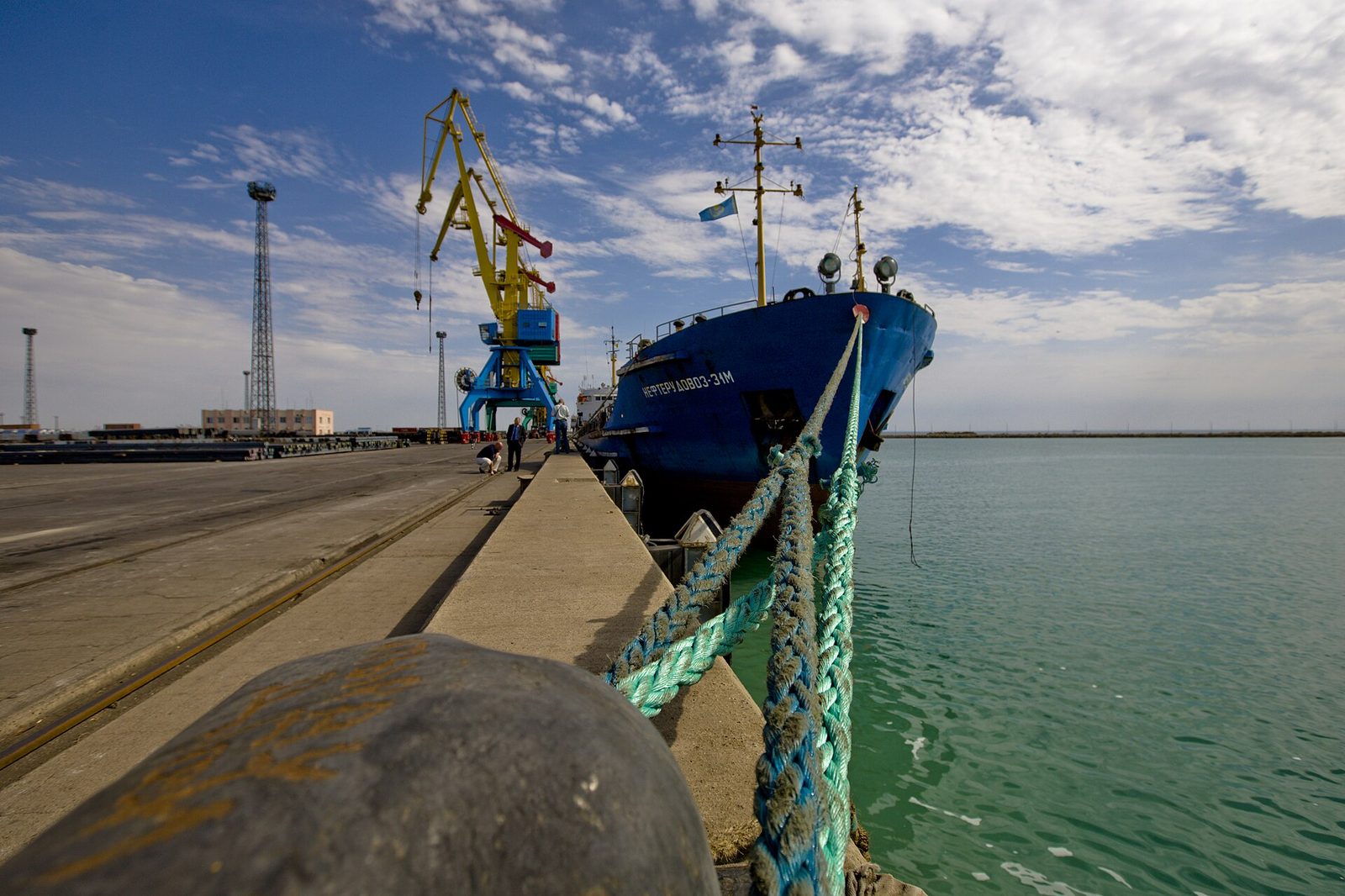
Kazakhstan intends to strengthen the Trans-Caspian International Transport Route (TITR, also known as the Middle Corridor) as a key trade link between Asia and Europe. The priorities are growth in freight volumes, digitalization of logistics and the introduction of environmental standards. This was discussed on 16 November at a special session organized by Kazakhstan's Ministry of Trade and Integration and QazTrade as part of the 31st UN Climate Change Conference (COP31) in Turkey.
The route, almost 7,000 km long, runs through Kazakhstan, the Caspian Sea and the countries of the South Caucasus and opens access to European markets. Cargo delivery takes an average of 15-20 days, which makes the corridor a competitive alternative to traditional sea freight.
Cargo traffic is growing: in 2020, 800,000 tonnes were carried along the route; in 2024, 4.5 million tonnes - more than a fivefold increase. Container traffic in 2024 amounted to about 77,000 TEU - 36% more than a year earlier. In the first eight months of 2025, container flow reached 44,200 TEU, with 419 container trains dispatched from China - 84% more than in the same period of 2024.
Deputy Minister of Trade and Integration Zhanel Kushukova said that export competitiveness depends not only on how environmentally friendly production is. 'It is also determined by how efficiently, quickly and sustainably we deliver goods to international markets,' she said. According to her, Kazakhstan views the Trans-Caspian route not simply as an alternative direction, but as an emerging 'green' corridor that meets the tightening requirements of international trade.
An example of such infrastructure is the Kuryk port on Kazakhstan's Caspian coast, which has received EcoPorts certification and the international environmental management standard ISO 14001. Digitalization envisages the harmonization of procedures between participating countries, greater transparency of shipments and the creation of a single digital environment, which should help businesses track cargo, plan delivery times and reduce administrative barriers at borders.
Session participants also discussed expanding the route's capacity, introducing environmentally clean solutions and strengthening cooperation between transport and trade organizations. Kushukova stressed that further development of the TITR will require coordinated efforts by all countries involved in shipments along the route.
Sources — how we know this
- PrimaryThe Astana Times