This story is currently available in anglais only — a translation isn't ready yet.
Drip irrigation in Kyrgyzstan: from 30 thousand som per hectare
The Ministry of Agriculture estimates water savings at 40-60% and yield gains of 20-30%, but payback depends on the crop and the sale price
ℹ️ Lecture par le navigateur · voix studio IA bientôt
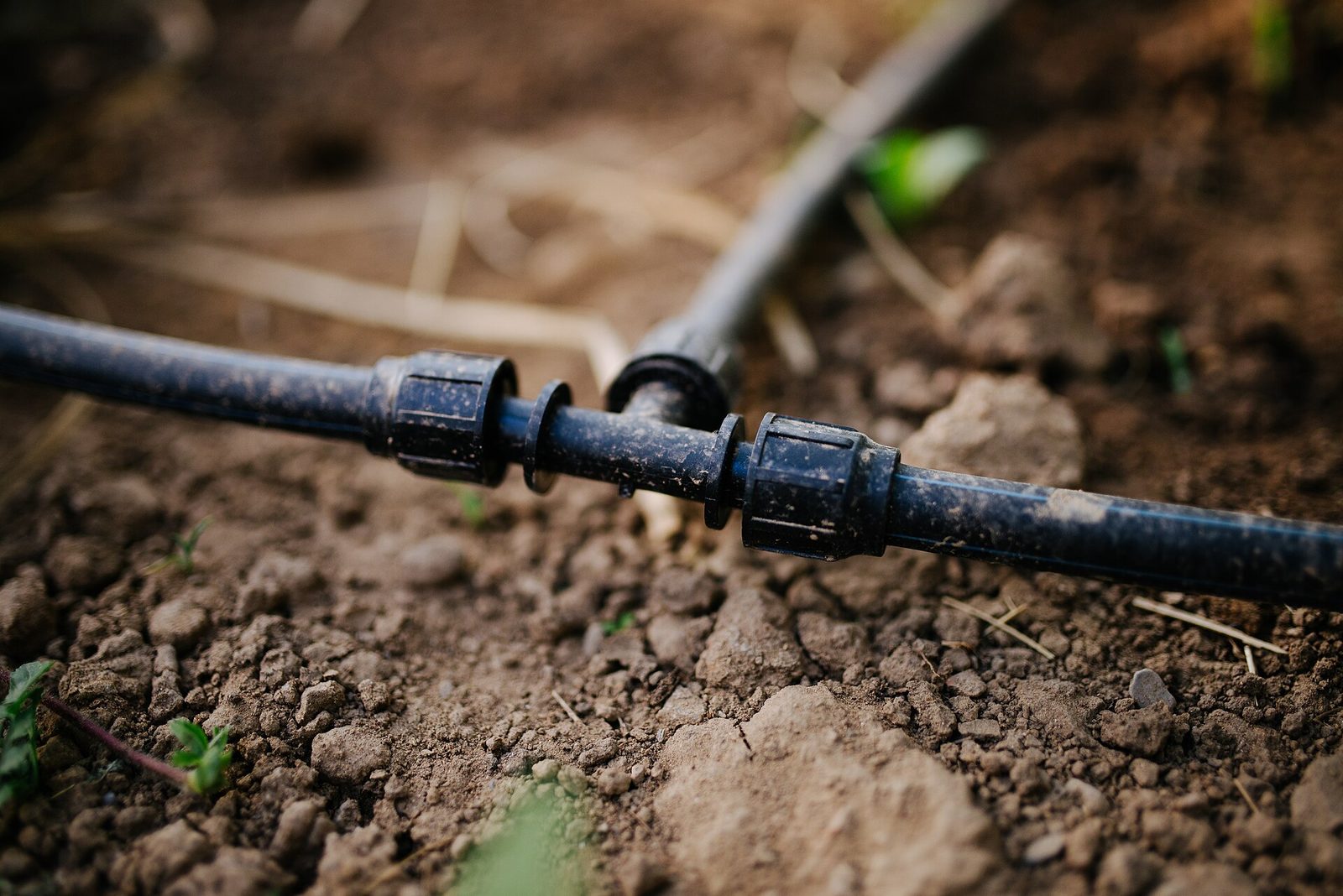
The cost of equipment for drip irrigation of a garden in Kyrgyzstan starts at roughly 30,000-50,000 som per hectare, while at some farms expenses reach several hundred thousand som. Specialists estimate capital costs at about $1,500-2,000 per hectare, depending on the crop.
According to specialists' estimates, drip irrigation delivers a 20-30% increase in yields, a 3-5 fold reduction in water consumption and 10-20 days faster ripening of the crop. The Ministry of Agriculture put the potential water savings at 40-60% compared with traditional irrigation methods. The technology does not eliminate the problem of water shortage, but only helps to use the available resource more efficiently.
One of the most illustrative examples is the Nar-Suu cooperative in the Ton district of the Issyk-Kul region. According to the Ministry of Agriculture, previously, with traditional irrigation, the farm used up to 3,500 m³ of water per hectare; after switching to a drip system, each tree began receiving about 60 litres of water per irrigation.
In the village of Kyzyl-Tuu in the Nooken district, a drip irrigation system was commissioned in October 2025 on an area of 105 ha. The project cost 35.3 million som. According to the ministry's calculations, the new system will save up to 183,600 kWh of electricity and 482,700 m³ of water annually. In February 2026, a drip irrigation system covering 100 ha was launched in the Leilek district: a reservoir with a volume of 12,000 m³ was built for irrigation, and the Araket cooperative began planting an intensive orchard.
Farmer Umar Babazov said he uses drip irrigation on a tomato field and credits it with saving water and labour. Farmer Panshar Nusurov estimated his costs per hectare at about 400,000 som, including equipment for water supply and filtration.
The cost depends on the area and configuration of the plot, the planting scheme, the type of crop, the water source, the need for a pumping station and a reservoir, and the quality of the filtration equipment. One of the typical mistakes when switching to drip irrigation is skimping on filtration: water from canals, rivers and wells may contain sand, silt and organic particles that clog the drip emitters. Different sources may require mesh, disc or sand-gravel filters, and where sand is present, an additional sand separator. Another risk is damage to the hoses by rodents or farm machinery, and improper operation of the equipment.
The payback period of drip irrigation cannot be determined from the cost of equipment or the volume of water saved alone: the calculation is individual for each farm and depends on the crop, yields, the sale price of the produce, and the costs of irrigation and system maintenance.
Sources — how we know this
- PrimaryEconomist.kg