This story is currently available in anglais only — a translation isn't ready yet.
Uzbekistan's Health Ministry: children receive less than 10% of the bone marrow transplants they need
In 2026, 36 operations were performed against a need of more than 400 children; Minister Eldor Adylov named three reasons — an unfinished building, the absence of a donor registry and a shortage of medicines
ℹ️ Lecture par le navigateur · voix studio IA bientôt
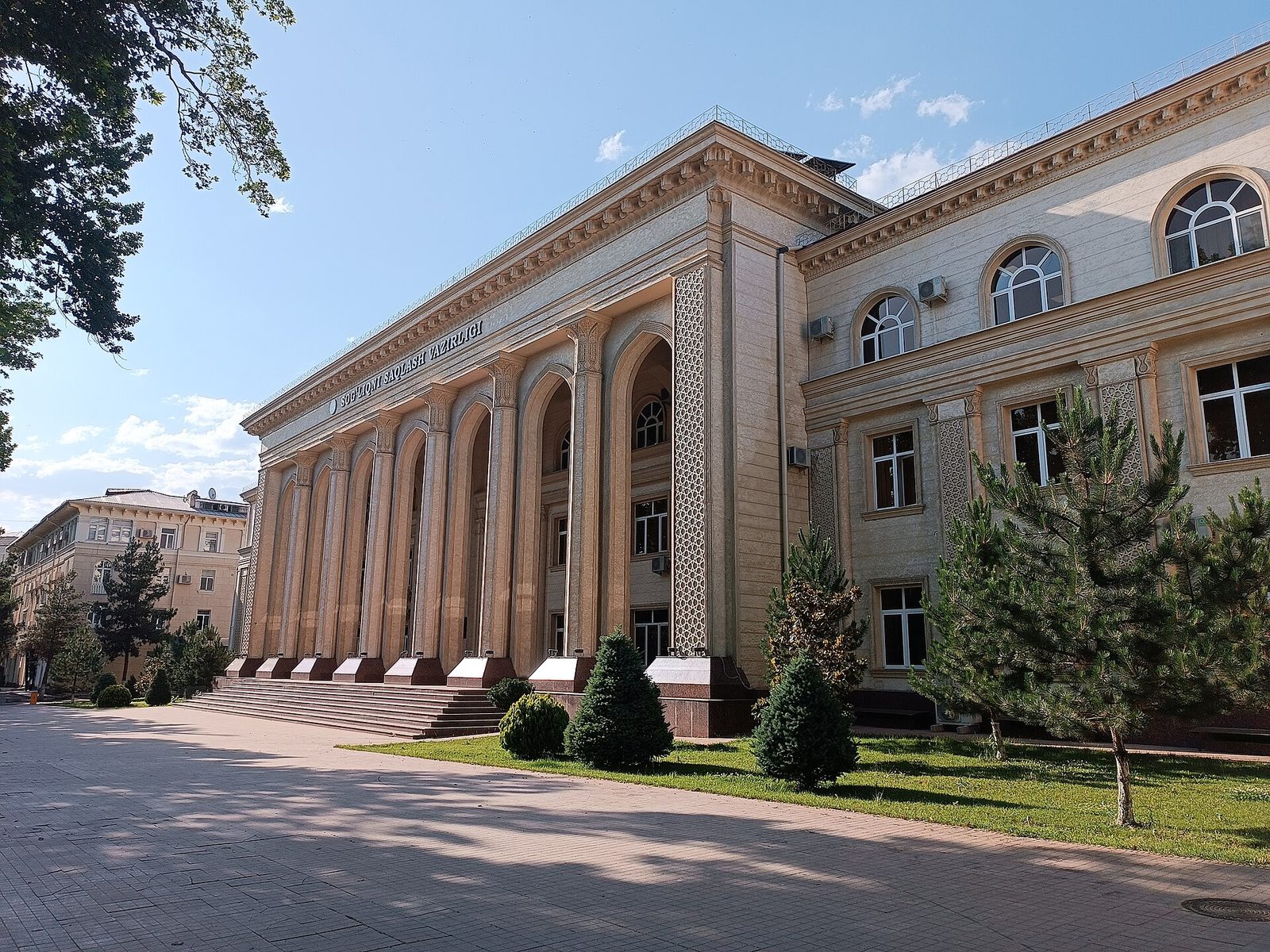
In Uzbekistan, less than 10% of the annual need for bone marrow transplants in children is being met. Health Minister Eldor Adylov reported this on 11 November during "Government Hour" in the Legislative Chamber of the Oliy Majlis.
According to the minister, 32 bone marrow transplants were performed in 2025, and 36 as of 1 November 2026. Of the 36 operations this year, 12 were carried out in Turkey, 13 at Uzbekistan's National Children's Medical Center and another 11 at the Republican Specialized Scientific and Practical Medical Center of Pediatric Oncology, Hematology and Immunology. At the same time, 28 operations were allogeneic transplants, in which stem cells from a compatible donor are used, while 8 were autologous — using the patient's own cells.
The annual need significantly exceeds the actual number of operations. "We cannot yet provide that number of operations," Adylov said, noting that more than 400 children require assistance. Thus, 36 operations in ten months of 2026 is less than 9% of the minimum annual need.
Zebiniso Rakhmanova, a deputy from UzLiDeP, recalled that back in 2022 the country adopted the law "On the Transplantation of Human Organs and Tissues," which created the legal basis for such operations, and asked why bone marrow transplant capacity is being used only to a limited extent.
The minister identified three main problems. The first is the lack of the necessary infrastructure: construction is continuing on the grounds of the Republican Specialized Scientific and Practical Medical Center of Pediatric Oncology, Hematology and Immunology of an aseptic building, which is to house the transplant department and a typing laboratory. Construction has dragged on for more than two years; the project underwent changes — the Austrian company AMI International was brought in, and together with it the building was designed in accordance with European standards. The facility is scheduled to be commissioned in 2027.
The second problem is the absence of a national bone marrow donor registry. The Health Ministry has drafted a government resolution regulating the creation and maintenance of the registry, the work of the typing laboratory and the mechanisms for financing them; the document is being coordinated with the relevant agencies. To cooperate with international donor search systems, the registry must contain about 10,000 donors.
The third problem remains the provision of medicines and consumables to patients. Many of the drugs are rare and expensive, and because of low demand pharmaceutical companies are not always interested in registering them and supplying them commercially to the Uzbek market, so such drugs are imported on the basis of one-off permits. According to the minister, the drugs purchased for 2026 are sufficient for the planned operations.
According to the Legislative Chamber, in 2027 the Health Ministry sees an opportunity to increase the number of bone marrow transplants to 100 — almost three times the result of the first ten months of 2026. This requires completing the construction of the specialized building, ensuring the operation of the typing laboratory, creating a donor registry and allocating additional funds for medicines, consumables and laboratory tests.
Sources — how we know this
- PrimaryGazeta.uz