This story is currently available in anglais only — a translation isn't ready yet.
Boulos Threatens Sanctions on 'Obstructors of the Solution' in Libya as Readings Diverge on Timing
Trump's senior adviser for Arab and African affairs says 'the time for implementation has come,' while Libyan figures differ in their reading of the tone and of which party will be designated as the obstructors
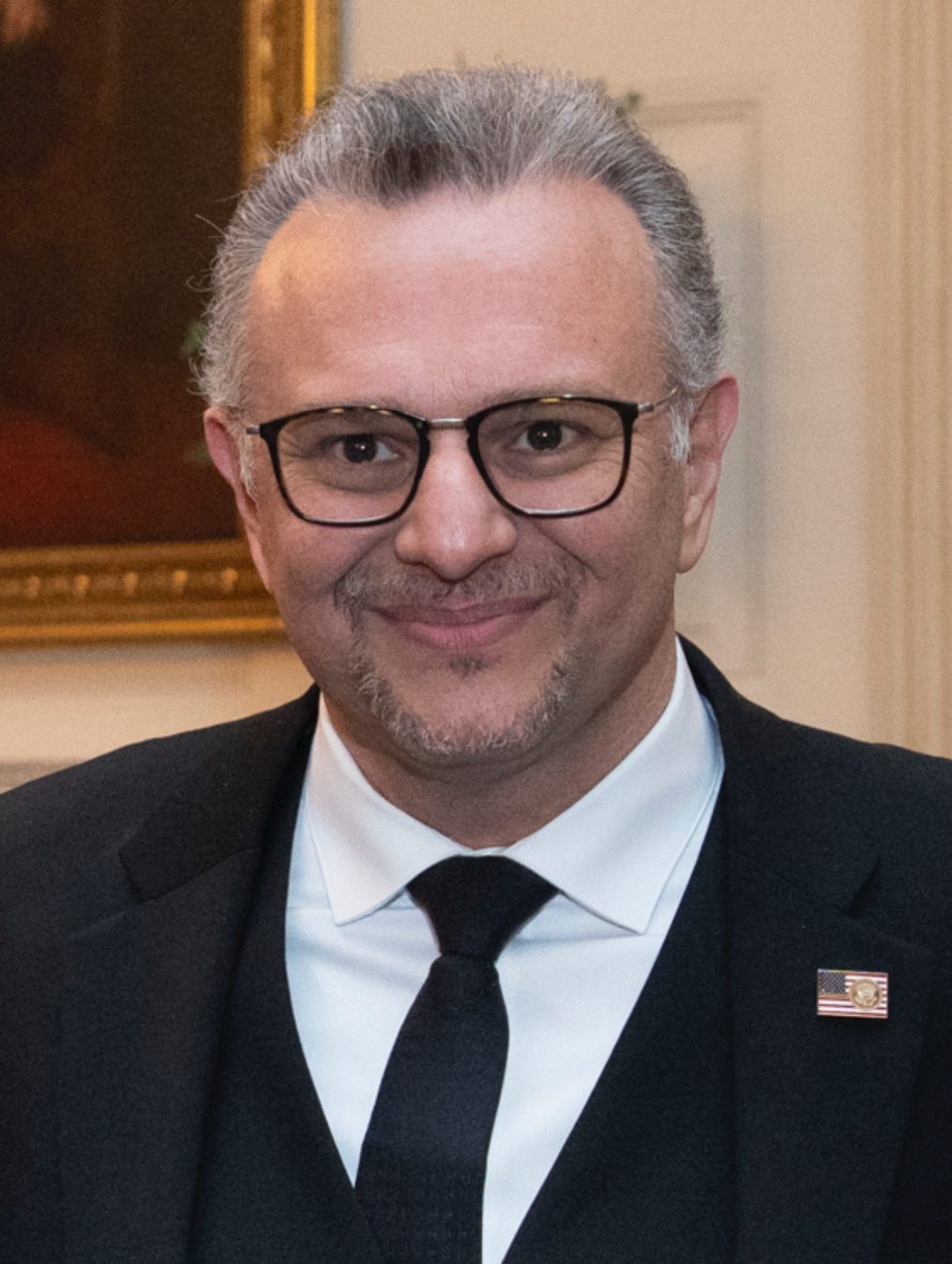
Massad Boulos, senior adviser to the US President for Arab and African affairs, threatened international sanctions on "obstructors of the political solution" in Libya, saying in a statement days ago that "the time for implementation has come."
The statement did not specify which party would be classified as the "obstructors" nor the criteria adopted, a point taken up by Fathi Al-Shabli, head of the Libyan "Voice of the People" party, who asked about "the party that will classify the obstructors and by what criteria," criticizing their reduction to those rejecting the American initiative.
Al-Shabli argued that the repeated threats of sanctions stem from "the desire of the Trump administration and its adviser to settle the Libyan file," and that this comes before next January, when the Democratic majority takes over its duties in the Senate, considering the matter "an internal settling of scores between the Democrats and the Republican Trump administration, rather than an interest in the crisis of any country."
Ashraf Abdullah, director of the Libyan Center for Security and Military Studies, saw that Boulos "seeks a diplomatic achievement that consolidates political and security stability in the country," coinciding with the return of American companies to the Libyan oil sector since the beginning of this year, and attributed the faltering of the initiative and the UN agreement to "regional and Western interventions," saying that regional states have interests that conflict with the unification of power and the military institution "because this means the exit of foreign forces such as Turkish and Russian from Libyan territory."
Hani Shennib, head of the National Council on US-Libya Relations, said Washington believes "the time has come to unify institutions and end the evasions of those benefiting from division and corruption," and dismissed the link between the Democrats' win in Congress and the interest in the Libyan file. He pointed to "the international community's ability to freeze funds and place names on travel ban lists," which is electronically interconnected, with the possibility of detention and trial, speaking of "surprises that may occur." He said that "the rampant corruption at the highest levels in Libya obstructs the efforts of the international community" to support institutions, services and the citizen's rights in education and health, which UN envoy Hanna Tetteh repeatedly conveys in her briefings to the Security Council.
Libyan lawyer and political analyst Essam Al-Tajouri saw that Washington wants to move from "managing the crisis" to "closing the file" through a settlement that guarantees the stability of oil flows and curbs Russian influence in the Mediterranean. He said the intended settlement re-adjusts the centers of money and weapons under one roof, pointing to pressure tools that include the keys of the global financial system, control over oil revenues through the Central Bank, international sanctions, and its diplomatic weight.
Libya is divided between the interim "Government of National Unity" headed by Abdul Hamid Dbeibah in Tripoli in the west, and another assigned by parliament headed by Osama Hamad that runs the east and areas in the south with the support of the commander of the "National Army" Field Marshal Khalifa Haftar. The UN mission announced last August, with the participation of both parties, reaching the agreement of the mini-committee (4+4), which stipulates a unified executive authority consisting of a presidential council and a government that paves the way for elections within two years.
Sources — how we know this
- PrimaryAsharq Al-Awsat