This story is currently available in anglais only — a translation isn't ready yet.
Reports of an Iranian plot to target Trump and questions over the timing of the Mossad warning
A military expert questions pre-war estimates and puts what remains for Tehran at between 1,500 and 2,500 missiles
Reports that Israel's intelligence service, the Mossad, passed information to Washington about a possible Iranian plot to target US President Donald Trump have raised questions about the timing of the warning, amid pressure to continue the war.
These reports coincided with talk of a reduction in Trump's appearances at public events, and of moving officials in his administration to heavily guarded facilities. The accounts in circulation did not mention any confirmed link between these measures and the information attributed to the Mossad.
Military and strategic expert Ahmed Rahhal said that the US president and senior officials enjoy permanent protection, and that Washington does not rely on the Mossad in this matter. He questioned the accuracy of the intelligence estimates that preceded the war regarding the numbers of Iranian missiles and drone capabilities, considering that Mossad information was among the factors that pushed Washington into the war.
Rahhal linked the timing of raising the threat to Israeli Prime Minister Benjamin Netanyahu's desire to regain political and military momentum after the elections and to continue the war, and he did not rule out that Israeli statements reflect a shared desire on the part of Washington and Tel Aviv to complete the operations.
Rahhal identified three pressures facing Trump. The first is Israel's drive to complete the destruction of Iranian capabilities. The second is the US president's fear of being accused of hesitation, a criticism he has previously levelled at the administrations of Barack Obama and Joe Biden. The third is the repercussions of the war for the countries of the region that tried to prevent it through diplomacy. He cited a statement by Trump in which he said he would not accept his term ending without the end of the velayat-e faqih regime.
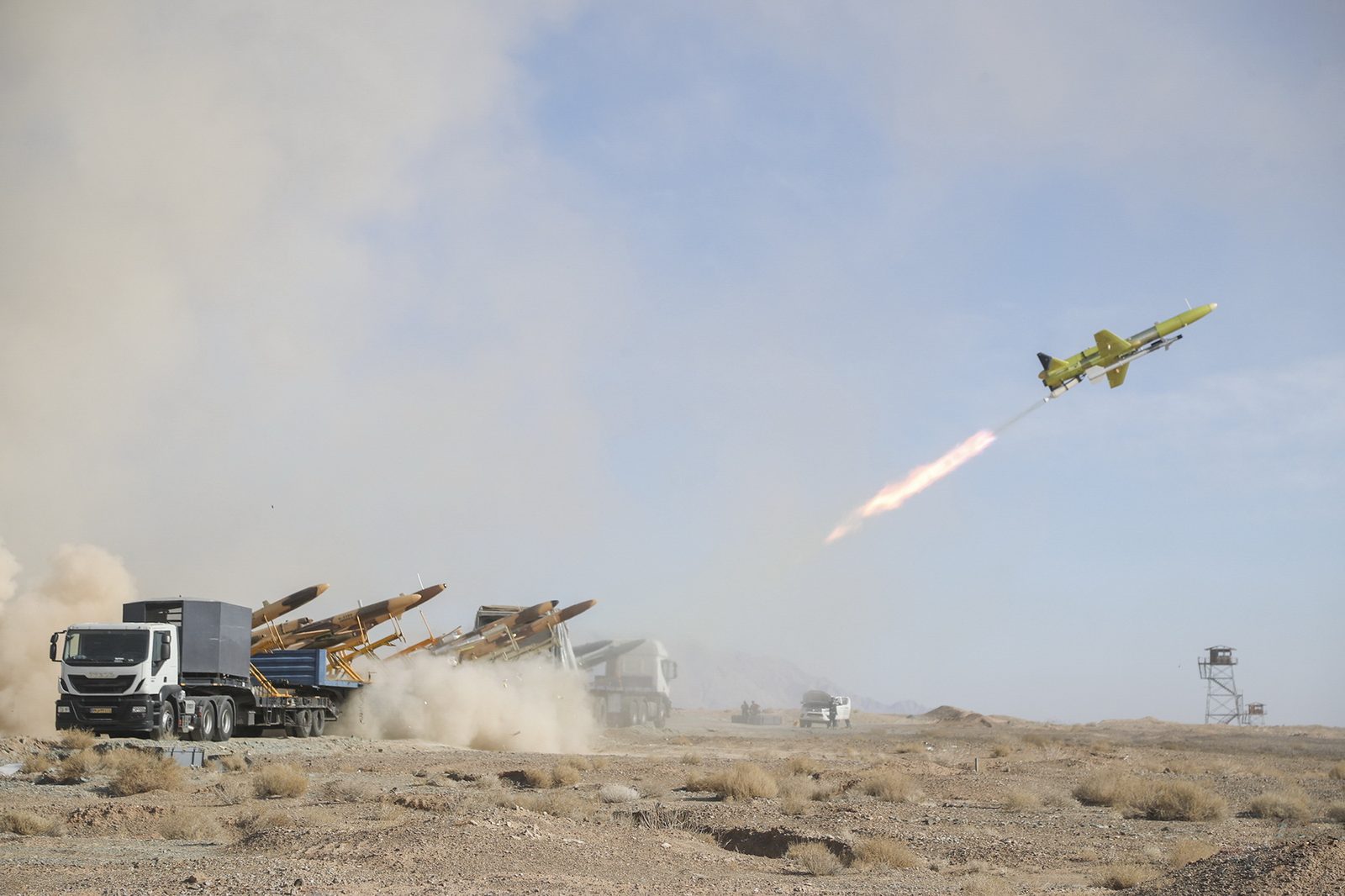
Rahhal objected to Trump's estimates of the scale of Iranian capabilities destroyed by the strikes, and said the operations had hit missile and drone launch platforms and air defence systems, while production lines remained in place, some of which had become ready to operate after being restored. He estimated that Tehran still possesses between 1,500 and 2,500 missiles, with the possibility that the number is larger, against a list of new targets and air and space reconnaissance capabilities on Washington's side.
On the Gulf issue, Rahhal believed that Tehran is targeting the Gulf states in order to pressure Washington and Tel Aviv, given the difficulty of directly affecting Israeli military capabilities or the deployment of US fleets. He pointed to a diplomatic move in which Saudi Arabia, Pakistan and Turkey took part to inform Tehran that the countries of the region are not a party to the war, and considered that the targeting of Bahrain came as a response to that message. He questioned the source of the information that made it possible to target a radar in Bahrain, raising the possibility that Iran obtained satellite data from Russia or China, without providing evidence for that.
He said that the armies of the Gulf states intercepted most of the missiles and drones despite the cost those countries bore, and that Moscow and Beijing have no interest in Iran's defeat.
Rahhal pointed to the difficulty of determining which party decides military and political matters in Iran, questioning the roles of Mohammad Bagher Ghalibaf, Ahmad Vahidi and Mojtaba Khamenei. He believed that the continuation of strikes in conjunction with the siege could lead to an escalation of protests inside Iran in a way that threatens the regime's survival, or to a weakening of its military capabilities in a way that pushes it to negotiate, contingent on Washington's decision regarding the resumption of operations and on Tehran's ability to compensate for its losses.
Sources — how we know this
- PrimarySky News Arabia