This story is currently available in anglais only — a translation isn't ready yet.
Environment Agency – Abu Dhabi: Emergency plans were ready before the war, and an oil spill closed the beaches
The agency's Secretary General Shaikha Al Dhaheri says the risks were mapped in advance, and points to an oil spill from a tanker hit by a drone attack in October that closed the beaches and halted fishing
ℹ️ Lecture par le navigateur · voix studio IA bientôt
Dr. Shaikha Al Dhaheri, Secretary General of the Environment Agency – Abu Dhabi, said the emirate was "prepared and ready" for any environmental conditions that might arise at the height of the war, and that "the risks were mapped and our action plans were ready" before the consequences of the outbreak of war appeared on February 28.
At the height of the war, Iran struck the UAE and other Gulf states with a wave of ballistic missiles and drones targeting civilian infrastructure, including energy sites and airports. That raised fears for fragile marine ecosystems from strikes on tankers and oil facilities.
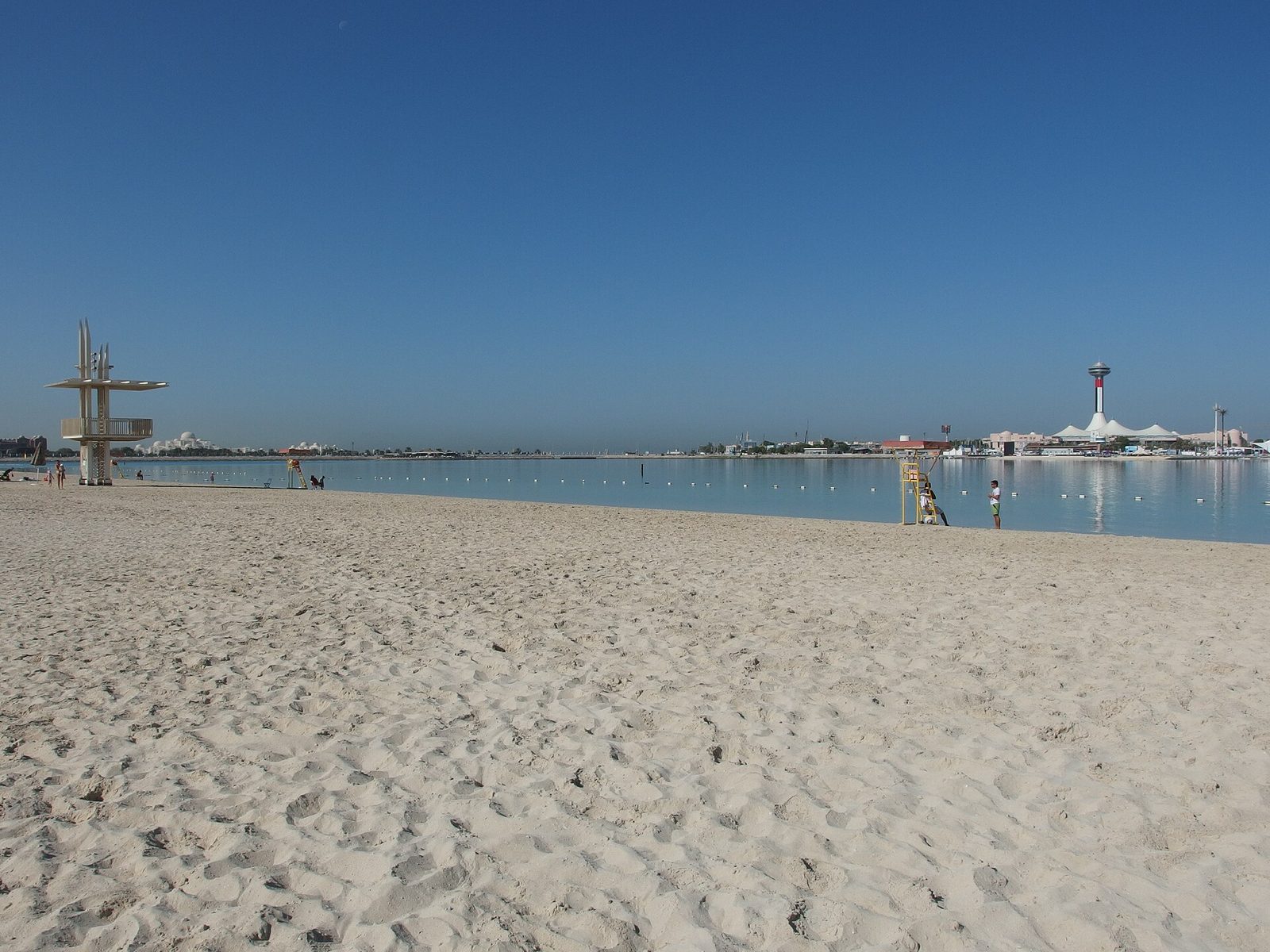
Those fears came into focus when an oil spill, following a suspected Iranian drone attack on a supertanker in the Arabian Gulf in October, triggered a wide environmental response: closing beaches and halting fishing activities across the UAE to allow a major cleanup operation.
In an interview marking the agency's 30th anniversary, Al Dhaheri said she was very proud that Abu Dhabi and the UAE as a whole were prepared and ready for any environmental conditions that might arise, adding: "We built teams ready to respond, and we built systems that anticipate what may come," and she affirmed that she was ready to take measures if something — God forbid — were to happen.
Metha Al Hameli, Acting Executive Director of the Terrestrial and Marine Biodiversity Sector at the agency, agreed that readiness was put to the test: "Even though it was a difficult year, it was a time to test all our programs and systems, and we were on time."
In its 30th anniversary, the agency is reviewing the outcome of its work: the sustainable fishing index in Abu Dhabi rising from 8 percent to 100 percent over eight years, the planting of more than 75 million mangrove seedlings in the emirate, and the preservation of 20 percent of marine and terrestrial areas as reserves. Al Hameli said the emirate's waters are home to 3,500 dugongs, the largest population in the Gulf and the second largest in the world after Australia.
The Abu Dhabi Executive Council has allocated 42 billion dirhams for the next phase of the emirate's quality of life strategy, and the agency wants to have a role in improving the quality of life for residents.
In January, the agency launched its strategic plan for the period 2026-2030, comprising nine priorities and 170 indicators, and focusing on integrating artificial intelligence and predictive environmental measures into its work.
Al Dhaheri said her priority is making Abu Dhabi environmentally livable, with a focus on climate change and air quality, which is directly linked to public health, and that the new strategy is built on science, innovation and advanced technology to ensure the emirate remains resilient and prosperous for generations.
Sources — how we know this
- PrimaryThe National (UAE)