AgendaVerified
Cairo Picks Up the Phone: Egypt's Quiet Bid to Broker the Iran-US Deal
While Tehran leaks its red lines and Washington stages security theatre at its own gates, the Sisi government is positioning itself as the indispensable middleman.
სიჩქარე:
ℹ️ ბრაუზერის ხმოვანი წაკითხვა · AI სტუდიო ხმა მალე
NV
Natasha Volkov
· 4 min read
Egypt is doing the work the Gulf monarchies were supposed to do, and the discrepancy tells you something about which capital in the region still believes in shuttle diplomacy as a profession.
In the past forty-eight hours, two things happened that should be read against each other. In Doha, Iranian sources walked reporters through what Tehran says it will accept in a deal with Washington — the kind of controlled leak that is itself a negotiating position. In Cairo, the Foreign Ministry began calling its regional counterparts to coordinate a containment track on the same file. The first is theatre meant for an American audience. The second is the older, less photogenic craft of trying to keep a war from starting on your eastern flank.
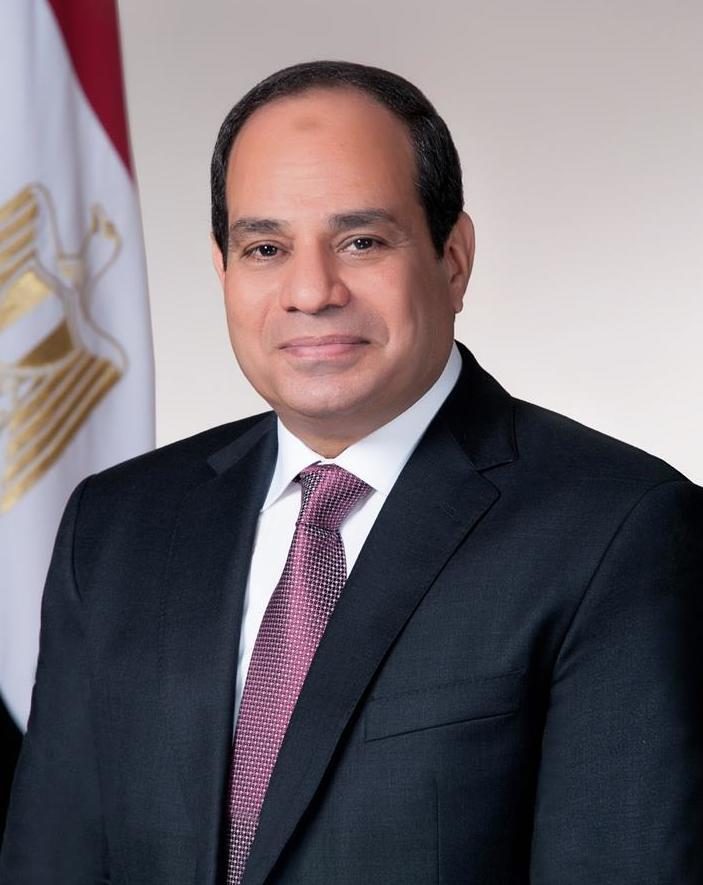
The decision-maker here is Abdel Fattah el-Sisi, and his calculation is not mysterious. Egypt is staring at Brent at $103.54 a barrel — down a dollar on the day, but structurally elevated for a country that imports a meaningful share of its refined products and subsidises bread out of the residual. A genuine Iran-US confrontation would put a four in front of that number within a fortnight, and the Egyptian treasury does not have the cushion to absorb it. Mediation, from Cairo's point of view, is not idealism. It is fiscal self-defence dressed in the language of regional responsibility.
What is striking is the choice of lane. Sisi is not trying to be the deal's author. He is trying to be its safety net — the capital that gets called when Doha's channel stalls or Muscat's gets too crowded. That is a humbler ambition than the one Cairo nursed a decade ago, and a more achievable one. The Foreign Ministry under this president has learned that being the indispensable second phone call is more durable than being the first.
Notice what the Iranian leak actually contained. Tehran is signalling flexibility on the enrichment ceiling and rigidity on the sanctions-relief sequencing. That is the giveaway. A regime that wanted to blow up the talks would lead with the centrifuges. A regime that wants a deal but cannot be seen wanting one too badly leads with the sequencing — because sequencing is the technical question that lets both sides claim victory on the political one. This is the muscle memory of a foreign ministry that has been here before, in 2015 and in the long unwinding after.
The American side is harder to read, partly because the White House spent Friday dealing with a gunman at one of its own checkpoints. A Secret Service shooting at the perimeter is not, in itself, geopolitics. But it is a reminder that the administration's bandwidth for a complex multilateral negotiation is being eaten by the politics of its own security. Foreign ministries notice these things. They time their leaks accordingly.
Meanwhile, the rouble closed Friday at 71.55 to the dollar, weaker by three-quarters of a per cent on the session. That number is doing two jobs at once. It tells you the Russian budget is still being held up by oil receipts at triple-digit Brent — a comfort Moscow does not advertise. And it tells you that Moscow has very little incentive to see the Iran file resolved quickly, because the geopolitical risk premium in the oil price is, at this point, a line item in the Finance Ministry's spreadsheet. Russia will not sabotage the talks. It does not need to. It simply needs them to take a long time.