AgendaVerified
This story is currently available in რუსული only — a translation isn't ready yet.
Riyadh Reroutes West: The East-West Line Becomes the Insurance Policy
Saudi Aramco shifts crude toward the Mediterranean as Red Sea risk hardens. Brent sits at $93.26. The physical map is being redrawn faster than the political one.
სიჩქარე:
ℹ️ ბრაუზერის ხმოვანი წაკითხვა · AI სტუდიო ხმა მალე
SP
Sergei Petrov
· 3 min read
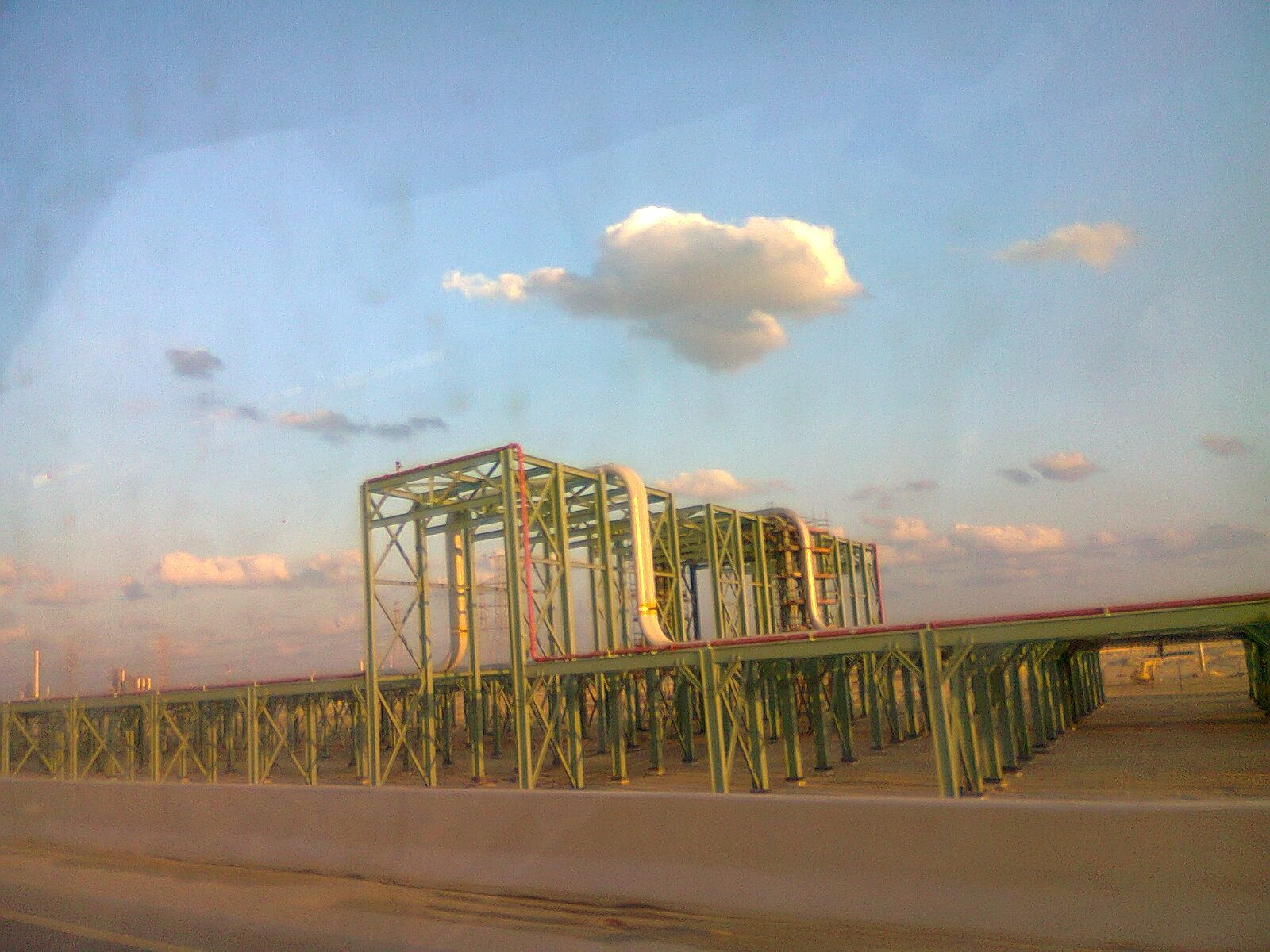
Saudi Arabia is moving a larger share of its export volumes through the East-West pipeline to Yanbu on the Red Sea coast and onward to Mediterranean buyers, according to reporting circulating this week. That is the physical fact. Brent settled at $93.26 on 11 August. The two data points belong in the same paragraph because one is beginning to price the other.
The cause sits offshore. Attacks on shipping in the southern Red Sea and Bab el-Mandeb have not stopped; insurers have not restored pre-2024 war-risk premia; and the arithmetic for a VLCC choosing between Suez and the Cape has tilted decisively toward avoidance. When a hull cannot transit safely, the barrels either wait or find another route. Aramco is choosing the second option.
Map it in words. The East-West line runs roughly 1,200 kilometres from the Eastern Province fields to Yanbu, with a nameplate capacity in the region of 5 million barrels a day after the last expansion. Historically it has run well below that ceiling — the Gulf-to-Asia route via Hormuz was cheaper and shorter for the buyers that mattered. What is changing is not the pipe. It is the utilisation. Spare westbound capacity that existed on paper is being converted into actual throughput, and the delta shows up as cargoes lifting from Yanbu rather than Ras Tanura.
This is a physical move, not a financial one. No quota has changed. OPEC+ headline policy is unaltered this week. What has shifted is the routing of already-produced crude, which affects freight, insurance, and the geography of the marginal barrel arriving in Rotterdam versus Ningbo. European refiners gain optionality. Asian refiners lose a small slice of the discount they had grown used to on Arab Light delivered east.
On the other side of the ledger, US weekly crude production printed at 13.805 million barrels a day for the week ending 7 August. That is the ceiling the Atlantic Basin has to work with when Middle Eastern flows rebalance. Cushing stocks stood at 22.57 million barrels the same week — thin by any five-year comparison, and thin enough that any incremental pull on WTI-linked grades to substitute for delayed Gulf cargoes shows up in the tank gauge within a fortnight. The inventory buffer is not what it was in 2023.
The UAE is running the same playbook from a different angle. Iraqi crude is being shuttled through Hormuz on Emirati-flagged tonnage, per reporting this week — a reminder that the Strait remains the artery even as the Red Sea becomes the wound. Two chokepoints, two mitigation strategies. Riyadh reroutes overland to bypass one. Abu Dhabi reflags to keep moving through the other. Neither is a solution. Both are insurance.
What this means operationally for the next quarter: Mediterranean sour differentials should firm against Brent as Yanbu loadings rise. Suezmax rates on the Ceyhan-to-Augusta run will lead the tanker complex. Any incremental disruption to the East-West line itself — and it has been targeted before, in 2019 — becomes a systemic event rather than a regional one, because the redundancy that existed when Red Sea shipping was normal has now been spent.