AgendaVerified
This story is currently available in ინგლისური only — a translation isn't ready yet.
Salah's Last Saudi Summer: The Transfer That Would Reshape Two Leagues
Al-Hilal are circling Mohamed Salah with serious intent. What happens next will define not just a career, but a cultural moment for Gulf football.
სიჩქარე:
ℹ️ ბრაუზერის ხმოვანი წაკითხვა · AI სტუდიო ხმა მალე
OF
Omar Farouk
· 2 min read
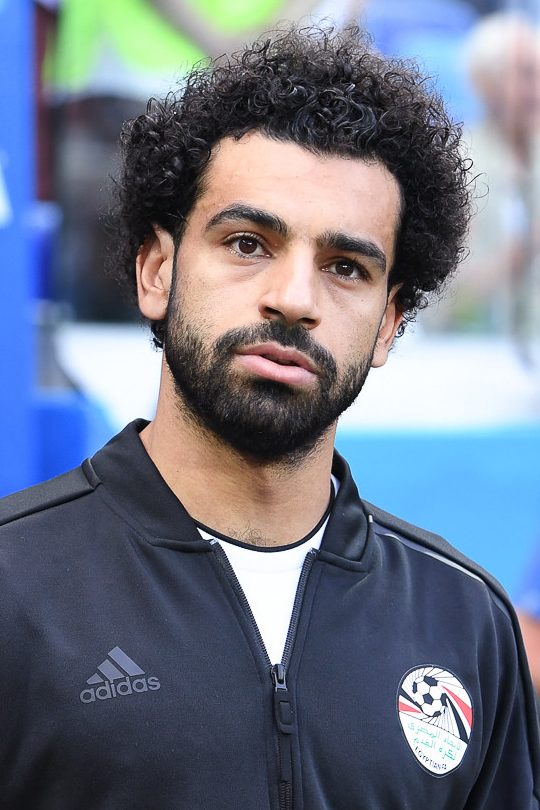
It was a corner kick at Anfield in the 94th minute, Liverpool 1-0 up, and Mohamed Salah didn't sprint to the near post the way he used to. He walked. Not lazily — deliberately. Like a man who already knew where the ball was going and had decided to save himself for what came next. That moment, small as it was, told you everything about where this story is heading.
The score that night was Liverpool 1, Brentford 0. The real news was the walk.
Salah turns 34 in June. His contract at Liverpool expires at the end of this season, and despite months of talks that reportedly came close twice, no extension has been signed. Al-Hilal have now made a formal approach — structured, funded, and according to people who follow Saudi football finances seriously, sustainable over three years. This is not a vanity project. This is a sporting and commercial decision made by a club that finished last season as Saudi Pro League champions and is building toward the expanded Club World Cup cycle with genuine ambition.
Here is what the numbers tell us, and what they mean: Salah registered 27 goal contributions in 35 Premier League appearances this season, an xG overperformance of +6.2 — meaning he is still converting chances at a rate that embarrasses the model. That is not a player in decline. That is a player choosing his pace. The question was never whether he still has it. The question is whether he wants to spend whatever remains of that particular fuel in England or elsewhere.
For the Saudi Pro League, this matters enormously — but not in the way the easy narrative suggests. The league does not need Salah to be taken seriously. It has Neymar's complicated chapter now mercifully behind it, Benzema's genuine engagement with the project, and a generation of Saudi players developing under competitive pressure that simply did not exist five years ago. What Salah would bring is a specific kind of attention: the diaspora, the African football community, the global Arabic-speaking audience that tracks him as something more than an athlete. He is a carrier of meaning for millions of people, and that is worth acknowledging without exaggerating.
For Liverpool, his departure would not be a wound that heals quickly. No replacement at that position — not the ones currently linked, not the ones being scouted — arrives with his combination of positional intelligence, finishing efficiency, and fifteen years of elite adaptability. Arne Slot has rebuilt beautifully, but Salah leaving would ask the rebuild to answer a harder question than it has faced yet.
I don't know if he goes. I do know that walk at the corner flag meant something. Sometimes a man tells you where he's headed before he's decided himself.