AgendaVerified
This story is currently available in ინგლისური only — a translation isn't ready yet.
UAE Team L'IMAD and the Art of Saying Nothing — Beautifully
The Emirati cycling team's silence about their race strategy is itself a statement. In a sport drowning in data, mystery is the new weapon.
სიჩქარე:
ℹ️ ბრაუზერის ხმოვანი წაკითხვა · AI სტუდიო ხმა მალე
OF
Omar Farouk
· 2 min read
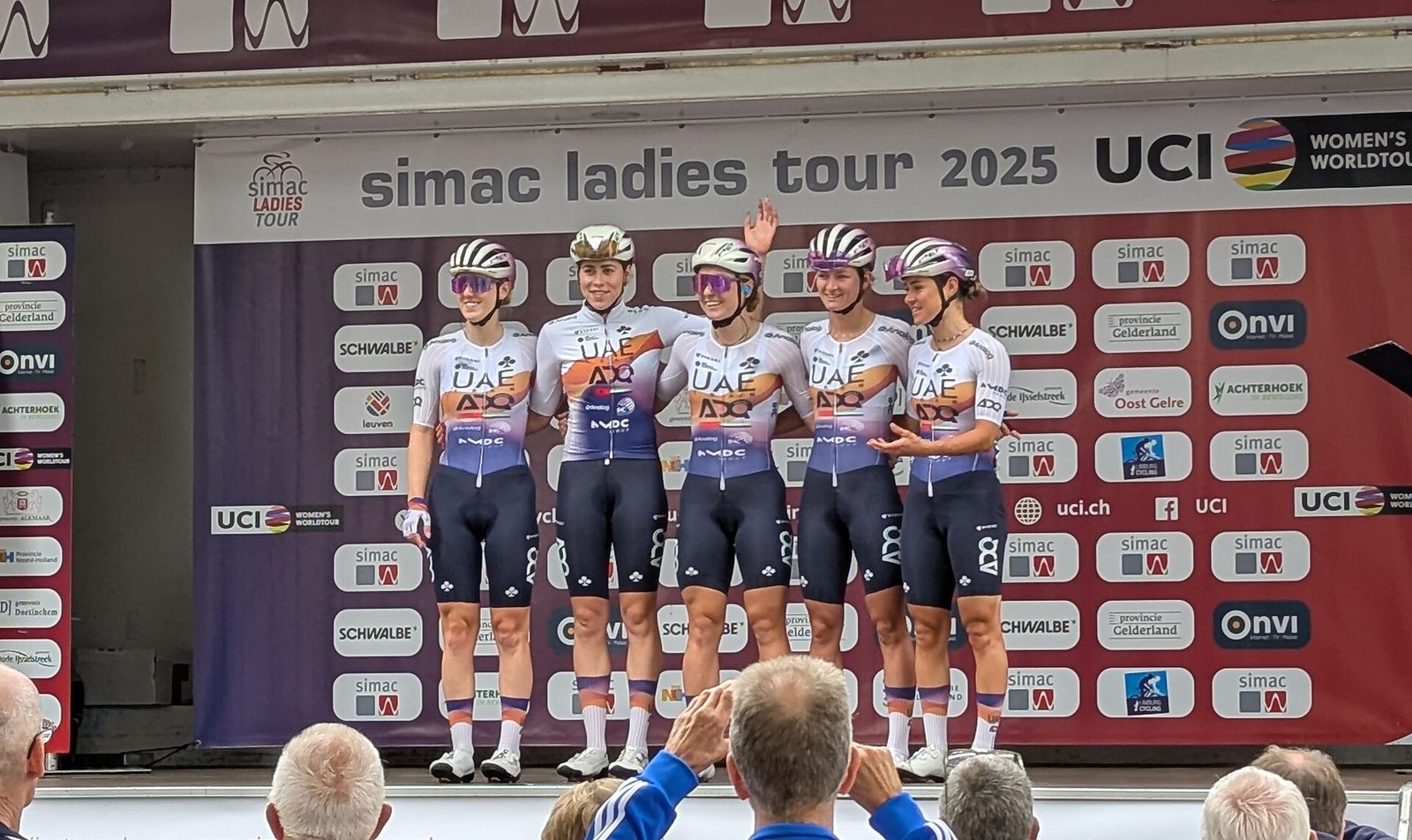
There is a moment in every team time trial when the domestiques fall away and you see, finally, who the protected rider is. The team had been arranged around a secret the whole race, and now the secret has legs.
UAE Team L'IMAD is doing something similar, except the race hasn't even started.
Reports surfacing this weekend confirm what anyone watching the team's communication style already suspected: L'IMAD will not be telling you their race plan. Not a hint. Not a strategic leak dressed as candor. Nothing. In a sport where team directors routinely narrate their tactics into microphones before the stage begins, this is almost an act of rebellion.
And I find it genuinely fascinating.
Modern professional cycling has become almost suffocatingly transparent. Power numbers are published. Altitude camp schedules are shared on social media. Domestique rotations are debated in public podcasts before the bunch even hits the first categorized climb. The sport has built an entire secondary industry around anticipation — the pre-race analysis, the form guide, the whispered intelligence about who arrived at the race carrying last week's fatigue.
L'IMAD's silence cuts against all of that. It is not naive. It is a choice, and choices in sport reveal character.
For an Emirati-flagged team still building its identity in the professional peloton, there is something symbolically loaded about this refusal to perform transparency. Gulf sporting projects — and I cover enough of them to have developed strong opinions — are often accused of buying attention rather than earning it. The easiest rebuttal to that accusation is not a press release. It is results. But the second easiest rebuttal is to behave like a team that knows exactly what it is doing and owes no one an explanation.
That is what L'IMAD is doing. They are not hype. They are not sneering at the peloton's conventions either. They are simply declining to play a particular game — the game of performed openness that passes for media relations in modern cycling.
Whether the strategy works depends entirely on what happens when the road tilts upward and the real race begins. Silence is only interesting until someone has to actually climb. Then the numbers speak regardless of what the team said or refused to say in the days before.
But here, on a Sunday in August, with the column still warm and the race still ahead, I am genuinely curious. Not about the tactics — about the team. About what kind of sporting character is being assembled under that flag, race by race, silence by deliberate silence.
That curiosity, I'd argue, is exactly what they wanted to create. Well played, L'IMAD. Well played.