AgendaVerified
This story is currently available in engelsk only — a translation isn't ready yet.
A Fuel Depot Burns Near Sulaimaniyah, and the Peg Board Barely Notices
Twenty injured in a northern Iraqi warehouse fire, dozens of tankers destroyed — and the crude curve shrugs. A brief on why the dirham and riyal read exactly what they read yesterday.
Hastighet:
ℹ️ Nettleserstemme · KI-studiostemme kommer snart
KA
Karim Al-Rashidi
· 2 min read
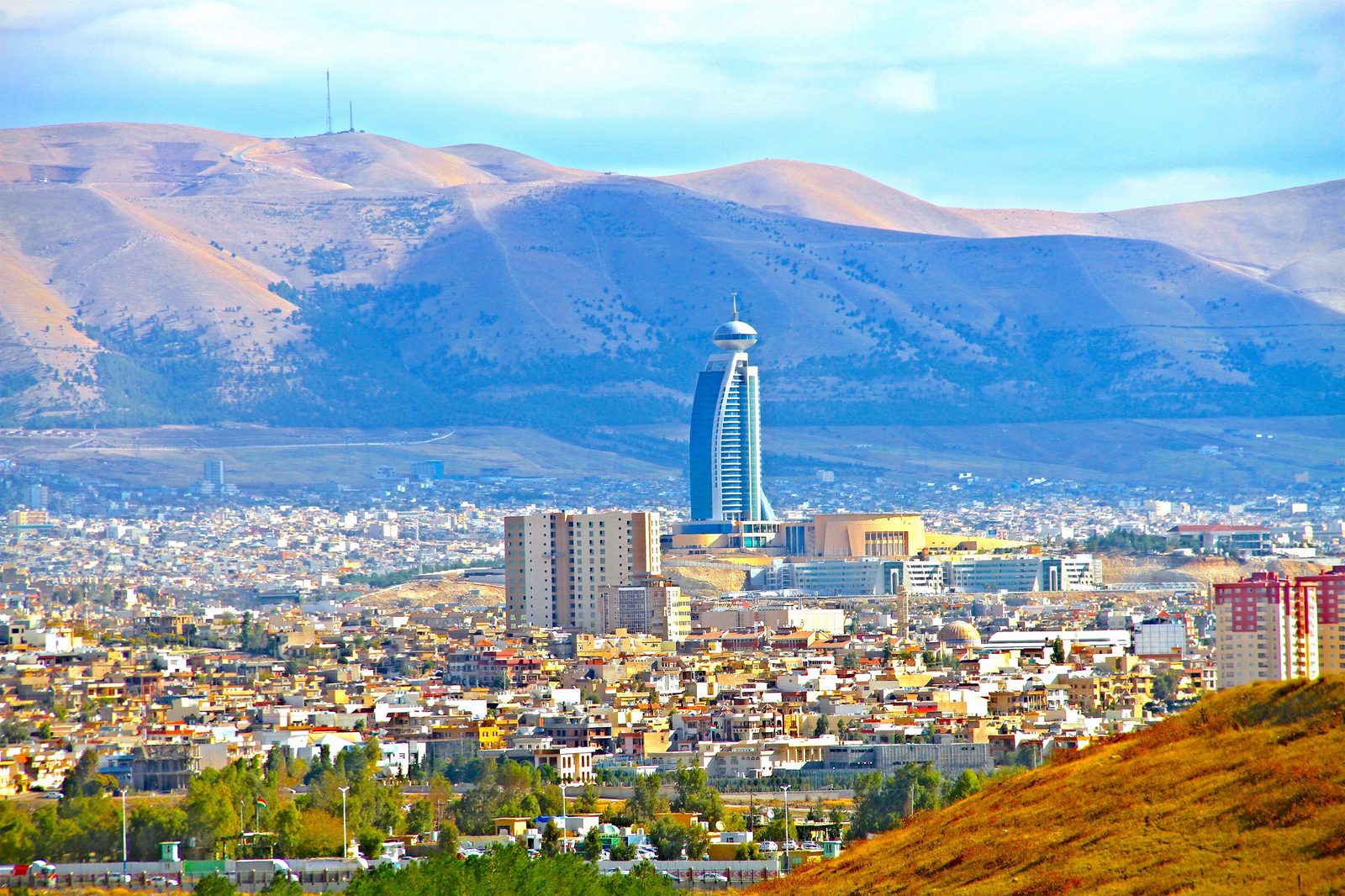
Overnight the peg board is unchanged: the riyal at 3.7500 to the dollar, the dirham at 3.6725. Those two numbers have not moved in any meaningful sense this month, or this quarter, or — barring a policy earthquake — this year. A returning reader will find that dull. Dull is the point. The pegs are the mattress under which the region's macro volatility is stuffed, and today the mattress is flat.
The overnight story worth pricing is the fire at a fuel depot near Sulaimaniyah in Iraqi Kurdistan. Reports put the injured at around twenty, with dozens of tankers destroyed. The instinct on a Gulf desk is to ask whether this is a crude story or a refined-products story, and whether it touches export flows or only domestic distribution. Early indications point to the latter: a warehouse of tanker trucks, not a pipeline node, not a terminal on the export chain. That is the difference between a headline and a bid.
The mechanism to keep in mind: Kurdish crude reaches world markets by a route that has been intermittent for two years now, and refined-product logistics inside northern Iraq are a separate circuit. A depot fire, however photogenic, does not by itself move the Brent complex unless it signals something about the security perimeter around the export infrastructure. This morning it does not. If that reading changes through the session, the tell will be in insurance quotes for regional tanker traffic before it appears in the crude screen.
The transmission to the Gulf is worth stating plainly for readers new to the beat. When crude firms, Gulf sovereigns earn more dollars, their central banks accumulate reserves, and the pegs at 3.7500 and 3.6725 are defended from a position of comfort rather than strain. When crude softens, the reserve buffer does the work the exchange rate is not allowed to do. Nothing about this morning's tape argues either case.
Elsewhere on the desk. Riyadh and Khartoum announced a coordination council over the weekend, foreign-minister level. For traders this is a slow-burn item — Red Sea logistics, remittance corridors, eventual reconstruction financing — none of it a Tuesday trade, all of it a file to keep open. A separate Saudi civil-defence rule now requires third-party insurance for licensing renewals in certain activities; small businesses will feel it, the insurance sector will quietly welcome it, and the macro screen will not blink.
The day ahead is thin on scheduled data. Watch the dollar index for any drift, because the pegs import whatever the Federal Reserve's shadow is doing to the DXY, and this week the shadow is the only weather. Watch Brent for a reaction to the Sulaimaniyah headlines that I suspect will not come. Watch, above all, the discipline of doing nothing when nothing is asked of you.
A depot fire is a tragedy for the twenty injured and an inconvenience for northern Iraq's fuel logistics. It is, for the peg board, a paragraph. That is not indifference; that is the machinery working as designed.