LifestyleOpinion
This story is currently available in engelsk only — a translation isn't ready yet.
Sunken Barges, Floating Licenses, and 822 Reasons to Stay Indoors
Hungary powers its nuclear plant with maritime archaeology. Washington approves itself. The week in brief.
Hastighet:
ℹ️ Nettleserstemme · KI-studiostemme kommer snart
VS
Viktor Shpak
· 3 min read
The week arrived, as weeks do, carrying more than it should. Here are five items that the wires produced without any assistance from imagination.
——
1. THE DANUBE SOLUTION
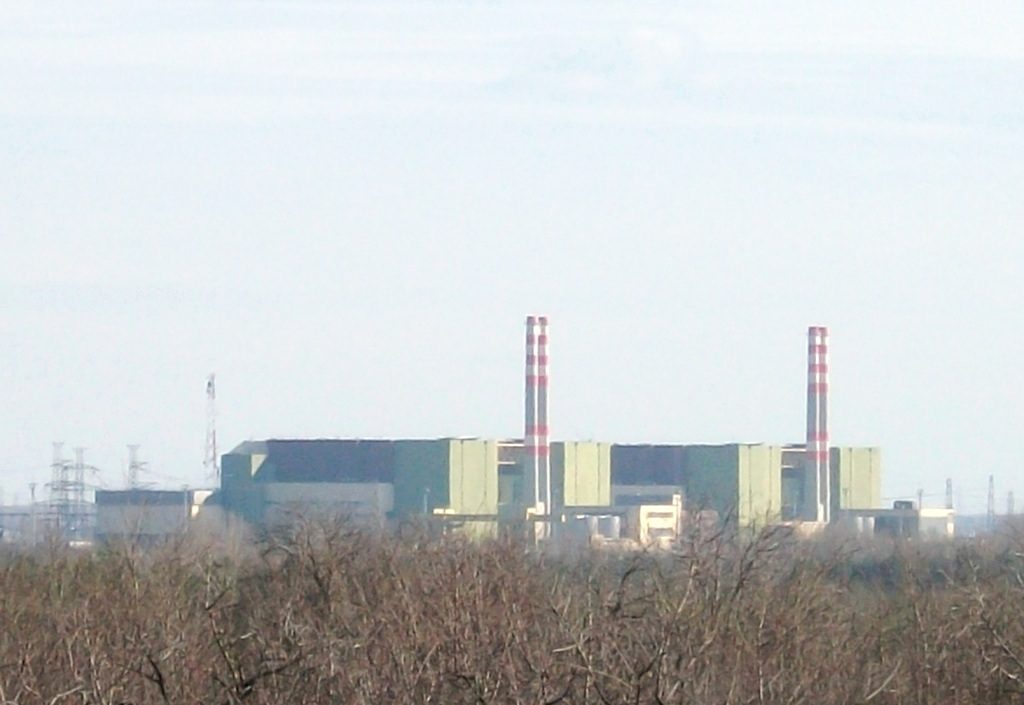
Hungary, facing a summer of extreme heat that has dropped the Danube to troubling levels, has resolved its nuclear plant cooling crisis by raising the river with sunken barges. The barges were already there, at the bottom, doing nothing. The nuclear plant is now doing something again.
There is a whole philosophy of infrastructure embedded in this story — the idea that the solution to a modern energy crisis was already submerged, waiting, and that someone in Budapest looked at a drowning river and thought: we have more things we can drown. Call it the Habsburg approach to engineering: the empire is gone, but the instinct to solve one emergency by introducing a controlled second emergency lives on beautifully in Central European civil administration.
The plant is running. The barges are not.
——
2. THE REGULATOR AND THE REGULATED, TOGETHER AT LAST
A Trump-appointed regulator in Washington approved a banking license for a crypto firm in which the president and his family retain a substantial financial interest. The approval grants the venture new federal powers and official credibility. The conflict of interest was noted in the press. The approval was issued anyway.
In most jurisdictions, a judge with a financial stake in a verdict recuses herself. In this case, the regulatory architecture has apparently evolved past that formality into something more efficient: the interested party simply becomes the authority. It is faster. It is tidier. It cuts out the middleman entirely, which, if you think about it, is what crypto promised to do all along.
The family retains its stake. The regulator retains his post. The concept of recusal retains nothing.
——
3. A DIPLOMATIC INQUIRY, SINCERELY
Russia has formally sought an explanation from the United States and Turkey after reports emerged that Ankara had requested Washington's permission to transfer tens of thousands of cluster munitions — sitting in Turkish stockpiles for decades — to Ukraine. Moscow, a country currently conducting ballistic missile strikes on Ukrainian cities while its Defense Ministry announces the capture of nineteen settlements in a summer campaign, found the reported arms transfer troubling enough to raise through diplomatic channels.
The word for this is chutzpah, though it also answers to several other names across the region's languages. The note of genuine sorrow here is that the munitions in question have been sitting in warehouses for decades, and the only active question is which direction they travel. The diplomacy, meanwhile, travels in circles.
——
4. INDUSTRIAL ARCHAEOLOGY, SAMARA BRANCH
Ukraine struck an industrial facility in Russia's Samara region. Local authorities confirmed that something had been hit. They did not confirm what. Russian air defense systems, per the Defense Ministry, intercepted 822 Ukrainian drones overnight across a sprawling list of Russian regions.