BREAKINGDeveloping✓ 1 sourcesEditorialDeveloping
This story is currently available in engelsk only — a translation isn't ready yet.
TCDD Launches University Study Following Deaths of 52 Storks Electrocuted in Küçükçekmece
Migration routes of storks struck by electrified railway lines at the Tahtakale site will be examined scientifically.
Hastighet:
ℹ️ Nettleserstemme · KI-studiostemme kommer snart
MY
Mehmet Yılmaz
· 2 min read
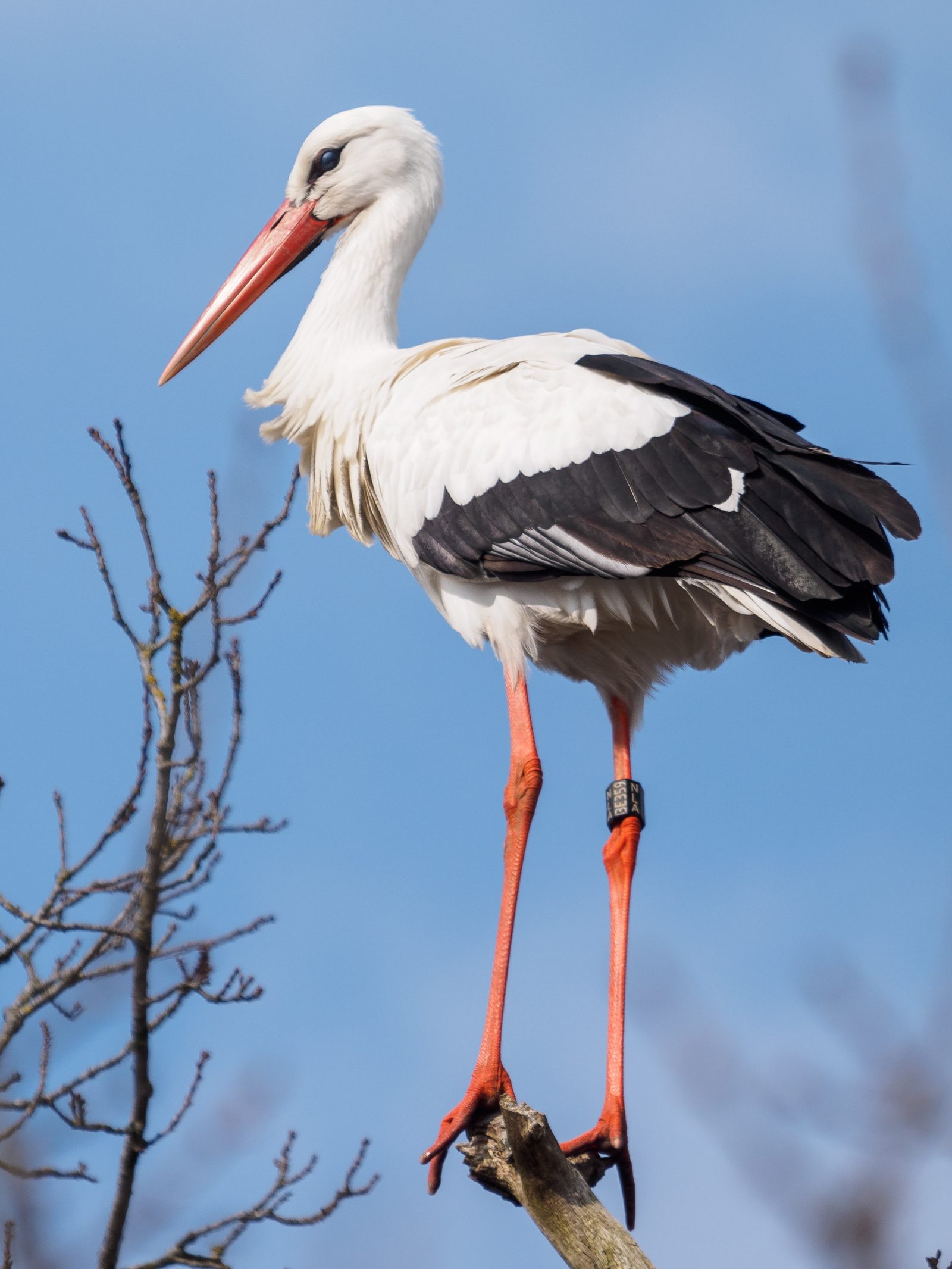
Turkish State Railways (TCDD) has launched action following the deaths of 52 storks that struck railway electrification facilities at the Küçükçekmece Lake-Tahtakale site in Istanbul's Küçükçekmece district. While five injured storks are receiving treatment, TCDD announced it has begun a joint scientific study with relevant institutions and universities to prevent further deaths. The study will examine the migration routes and flight behavior of storks in detail within the scope of the work planned. Based on findings from universities, protective systems on the electrification lines in the region are planned to be renewed.
Küçükçekmece Lake is known as an important stopover and transit point on the stork migration corridor extending from Europe to Africa across the continent. TCDD stated that within the scope of the aforementioned study, the migration routes and flight behaviors of storks will be examined in detail. According to findings to be obtained from universities, the renewal of protective systems on the electrification lines in the region is being planned.
TCDD also explained that protective measures in the area have been increased, while field surveys around Küçükçekmece Lake continue. The goal is to implement permanent bird safety measures at critical infrastructure points along the migration route.
Sources — how we know this
- PrimaryCumhuriyet Gazetesi