EuropeVerified
The heatwave arithmetic: when the grid needs power most, four sources deliver less
Nuclear derates, gas loses efficiency, wind stalls, solar panels bleed output. The physics is unforgiving; the policy response is still pretending otherwise.
Hastighet:
ℹ️ Nettleserstemme · KI-studiostemme kommer snart
IS
Ingrid Solberg
· 4 min read
A nuclear reactor loses roughly half a percent of its output for every degree Celsius the cooling water rises above design temperature. That number, dry as it looks, is the one that decides this column. It is the reason a heatwave is not simply a story about people fainting on trains; it is a story about the machinery we have built to keep them cool failing in the exact conditions that make cooling necessary.
A recent factcheck circulating this week walked through what heat does to the four horsemen of modern electricity: nuclear, gas, wind, and solar. The findings are not new to anyone who has spent time inside a grid operator's control room, but they are worth stating plainly, because the public conversation about the energy transition still proceeds as if generation capacity were a fixed number stamped on a nameplate. It is not. It is a function of ambient temperature, river flow, wind speed, and panel surface heat — all of which move in the wrong direction during the weeks the grid is stressed hardest.
Start with nuclear. Reactors on rivers — the French fleet is the archetype — face a double bind during heatwaves. The river water they draw for cooling is warmer, which reduces thermal efficiency. And the water they discharge is subject to environmental limits, because dumping 30-degree water into a low-flow river cooks the ecosystem downstream. So operators derate, or shut down entirely. Coastal reactors fare better but are not immune. The number to hold: a fleet that provides seventy percent of a country's baseload can lose a fifth of that capacity in a bad August week.
Gas turbines lose efficiency too, though less dramatically. Hotter intake air is less dense; less mass through the turbine means less power. Combined-cycle plants shed a few percent of rated output on the hottest days — a smaller haircut than nuclear, but arriving at the same moment. Wind is worse: heatwaves in Europe and the Gulf tend to coincide with high-pressure systems that flatten wind speeds for days. And solar, counterintuitively, degrades in extreme heat — photovoltaic cells lose roughly 0.4 percent of output per degree above their rated temperature, so a 45-degree afternoon in Andalusia or the Emirates can strip ten percent off a panel's nameplate rating just when the sun is hottest.
So here is the tradeoff a grid planner faces. Speed says: build renewables fast, they are the cheapest megawatt-hour available. Cost says: the firming capacity — batteries, interconnectors, gas peakers held in reserve — is where the real bill lands, and it is a bill the levelised-cost-of-energy figures on the front pages routinely understate. Equity says: the households that cannot afford air conditioning are the ones who suffer when the grid sheds load. Political feasibility says: no minister wants to explain a blackout, and no minister wants to explain a new gas plant either. The planner picks which of the four to sacrifice. Usually it is equity, because equity does not have a lobbyist in the room.
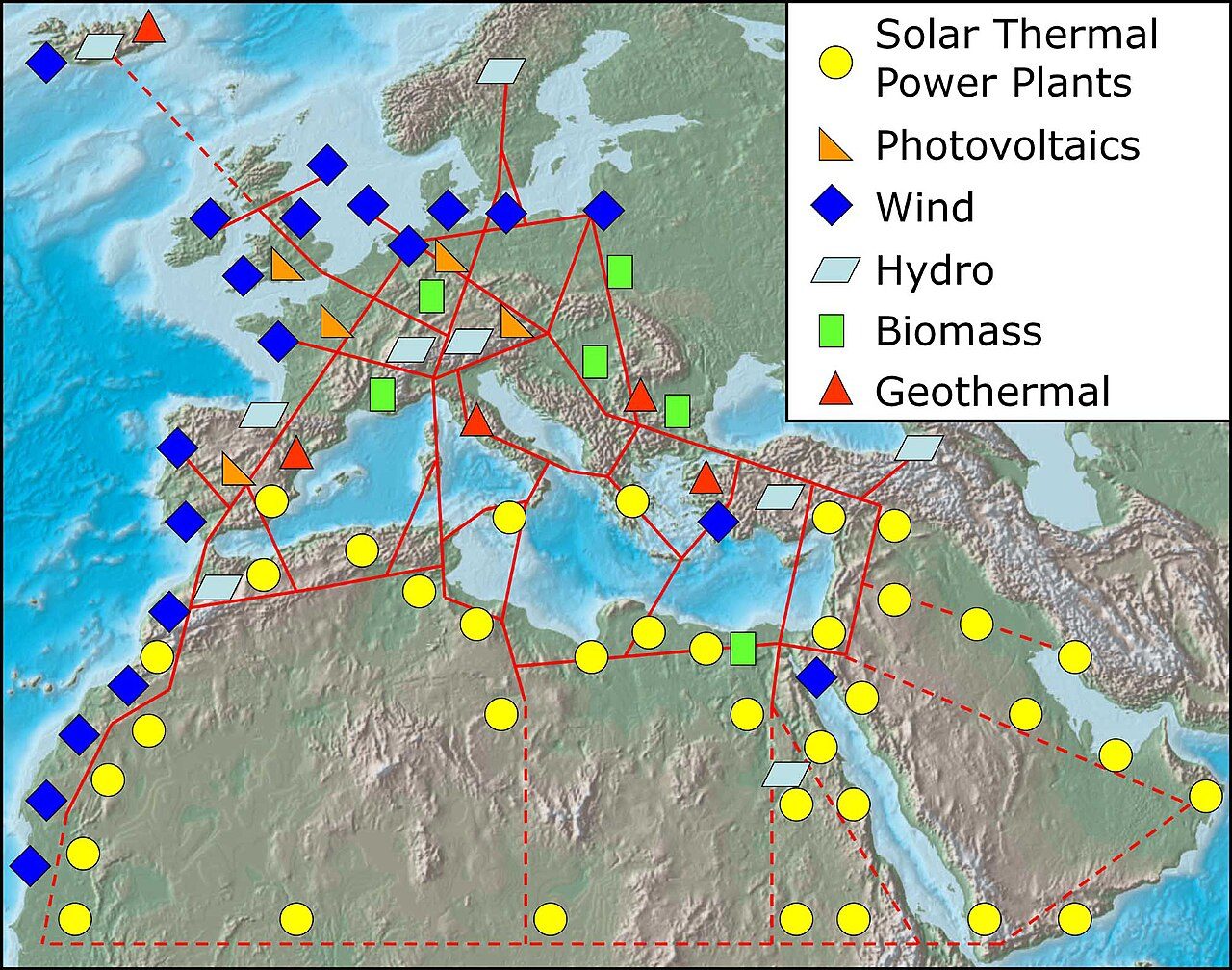
The regional picture matters, because the same physics writes different stories in different places. In the EU, the nuclear derating problem is acute for France and it exports upward through the interconnected market — when French reactors go offline, German and Italian prices spike, and the coal plants that were meant to be retired get another summer of life. In the Gulf, where solar is the transition's centrepiece and midday temperatures routinely clear 45 degrees, the panel-degradation problem is not marginal; it is structural, and it is why the serious utilities in the region are pairing every new solar farm with battery storage sized for the evening peak rather than the noon peak. In the Caucasus and Central Asia, where the grid still leans on Soviet-era hydro and gas, the drought that accompanies the heatwave is the bigger problem — reservoirs run low, hydro output collapses, and the region imports electricity from neighbours who are having the same summer.