EditorialVerified
This story is currently available in английский only — a translation isn't ready yet.
Cairo Bets on a Battery, Not a Barrel
The CATL plant signing is being read as another investment headline. It is closer to a quiet turn in how Egypt plans to earn its next decade of hard currency.
Скорость:
SA
Sherif Al-Mahdi
· 3 min read
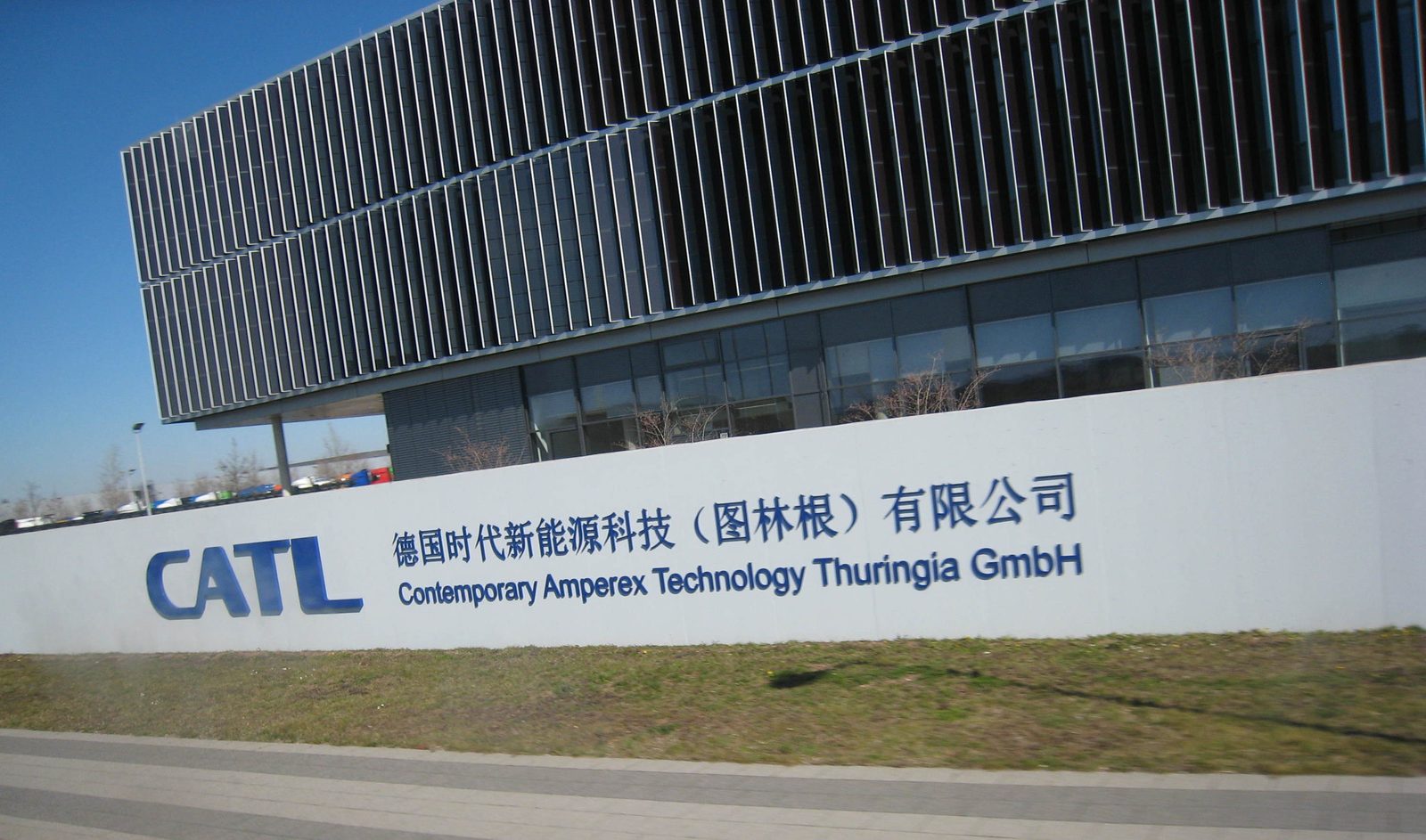
The consensus reading of yesterday's signing at the Prime Ministry is generous and, on its own terms, correct. Egypt lands a two-billion-pound electric-battery plant with CATL, the Chinese giant that already supplies roughly a third of the world's EV batteries. Prime Minister Madbouly presides, President Sisi in the same news cycle sets a twelve-billion-dollar trade target with India and, in between, asks Tehran to lower the temperature. The picture, as most desks are drawing it this morning, is familiar: Egypt courts Asian capital, diversifies partners, talks like a regional stabiliser. A good day for the investment file, filed and forgotten by Thursday.
Fair enough. Now the fact the consensus cannot quite digest: CATL does not build in countries. It builds in supply chains. When it chose Hungary, Germany followed; when it chose Morocco, the entire European EV map bent southward. The company picks a site the way a port authority picks a berth — for what flows through it, not what it sits on. Two billion pounds is, by CATL's standards, a rounding error; the plant matters less than the fact that the address now exists.
Rebuild the picture around that, and yesterday looks different. Egypt is not booking an investment. It is applying to be a node — a place where Chinese cells, Moroccan cathodes, Gulf lithium off-take and European carmakers under CBAM pressure can meet without any of them having to trust each other's politics. The Suez Canal Economic Zone has been chasing this role for a decade with mixed results. A CATL nameplate changes the conversation with every other supplier who was waiting to see who moved first.
That is also why the India number in the same news cycle is not decoration. Twelve billion dollars in bilateral trade is aspirational — current flows sit well below that — but India is the one large economy that both buys Egyptian fertiliser inputs and sells the pharmaceuticals and small-vehicle components a battery ecosystem eventually needs. The Iran remark belongs to the same file, not the diplomatic one: no serious manufacturer commits a multi-year build in a country whose president is seen as a passenger on regional escalation.
For the reader whose life is priced in Egyptian pounds, the mechanism is slower than a headline but more durable than a subsidy. A battery plant of this scale, once it ramps, is a dollar-earning export line that does not depend on tourist arrivals, canal transits, or gas fields that are declining faster than the ministry likes to admit. It is also, eventually, a downward pressure on the import bill for the electric buses Cairo has been quietly ordering. None of that arrives in time for this winter's electricity tariff review. It arrives, if it arrives, around the time a child starting preparatory school this month sits for thanaweya amma.
Think of the welder in Ain Sokhna who spent the last two years on intermittent contracts as the Zone's earlier announcements stalled. His shift roster, more than any communiqué, is where you will read whether this signing was real. CATL has walked away from signed sites before when the paperwork behind the ceremony thinned out.