AgendaVerified
This story is currently available in арабский only — a translation isn't ready yet.
Cricket Comes to the Desert: What the Women's Asia Cup Bid Says About UAE's Quiet Ambitions
The ACC hasn't made it official yet, but the signals are clear. The UAE wants women's cricket — and the story behind that want matters.
Скорость:
ℹ️ Озвучка браузером · студийный голос ИИ скоро
OF
Omar Farouk
· 2 min read
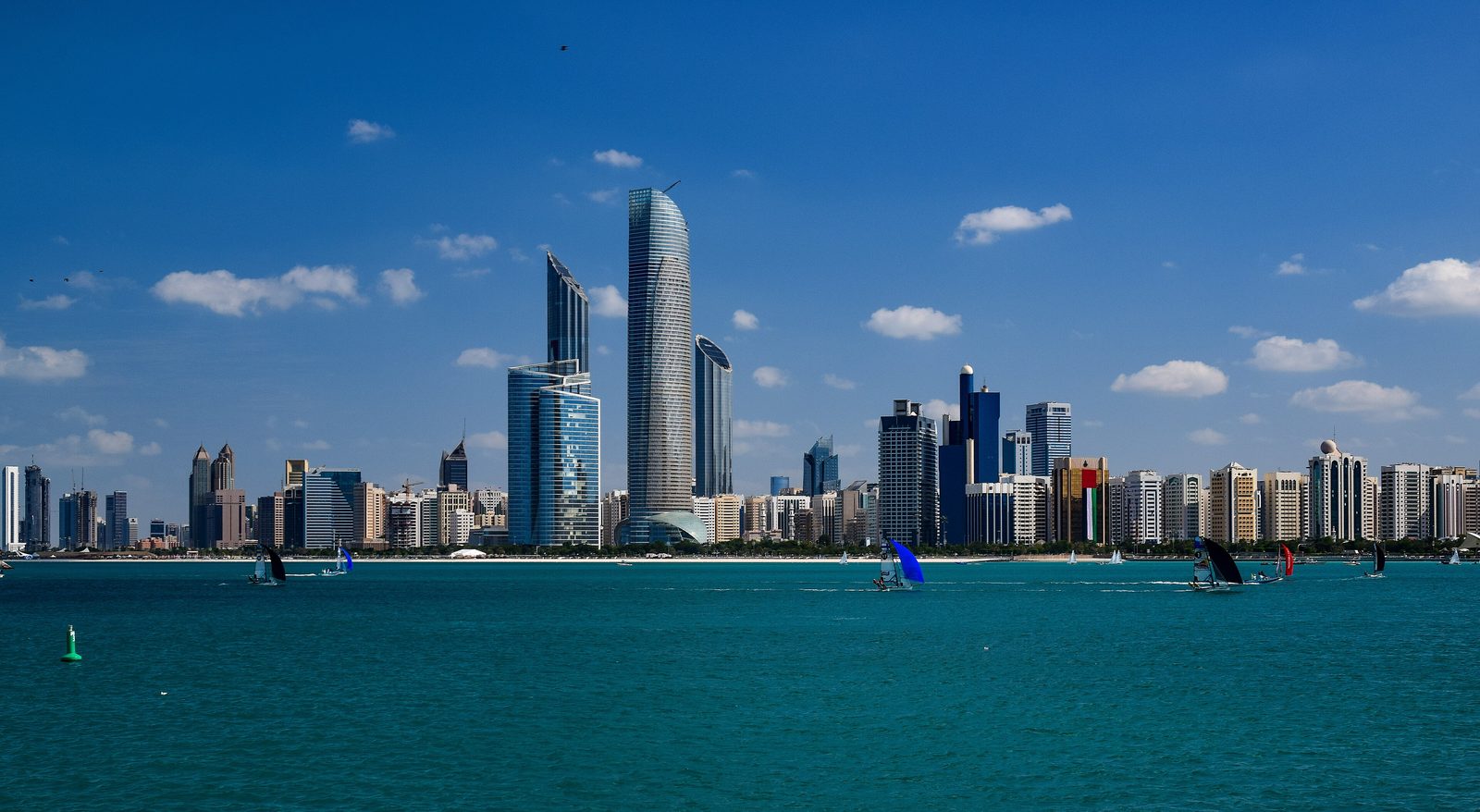
Before the announcement that wasn't quite an announcement, there was a woman somewhere in Dubai or Abu Dhabi who grew up watching cricket on a small screen, unable to point to a nearby stadium and say: that is mine. That detail — unverified, unnamed, but structurally inevitable — is the reason the Women's Asia Cup conversation belongs here, now, even while the Asian Cricket Council stays conspicuously silent.
Reports surfaced this week that the UAE is the likely host for the Women's Asia Cup, though the ACC has yet to formally confirm anything. In the language of sports governance, 'likely' and 'yet to formally announce' is practically a press conference. The venue is chosen; the paperwork is circling.
So let us talk about what this actually means, because it is easy to file it under 'Gulf sports expansion' and move on, which would be a mistake.
The UAE has spent years building credibility as a neutral cricket venue — a proxy home for Pakistan internationals, a stopgap for postponed tournaments, a logistical convenience wrapped in a palatable climate narrative. What it has rarely been is a destination chosen for what it adds culturally rather than what it solves administratively. A women's marquee tournament is different. It carries a statement inside it.
Women's cricket in Asia is at an inflection point. India's women draw genuine television numbers now. Sri Lanka, Bangladesh, Pakistan — each program is finding competitive identity. The Asia Cup format, at its best, accelerates that: young players tested in high-pressure knockout cricket, broadcast deals that create visibility, the slow compounding effect of a generation watching women compete at full intensity.
Where you host that tournament shapes who imagines themselves playing in it.
The UAE's pitch — if it is confirmed — carries specific weight in the Gulf context. Cricket here has historically been a South Asian expat sport, community-organized, beloved but not exactly state-sponsored. Hosting a women's edition at a serious venue flips something. It tells a demographic that makes up a substantial portion of the UAE's population that their sport, and specifically the women's version of their sport, has arrived with institutional backing.
None of this is purely philanthropic, of course. Sports hosting rights build soft power, tourism infrastructure, broadcast relationships. The UAE understands that equation fluently by now. But the cynical reading and the generous reading are not mutually exclusive. The economics can serve the culture and the culture can be real.
The ACC will make it official in their own time. When they do, watch which grounds are selected, which local development programs get attached to the event, and whether the crowds in the stands reflect the population that actually cares about this sport.
The cameras will cut to the boundary rope and the scorecard. Look instead at the girl in row seven who came with her mother and has never been this close to the pitch before.