Deutsche Bank: iPhone 17 Pro дороже всего в Турции
Отчет Джима Рейда и Галины Позднякова: тот же телефон стоит в Турции 2.592 доллара, в США — 1.181 доллар, разница более чем в два раза.
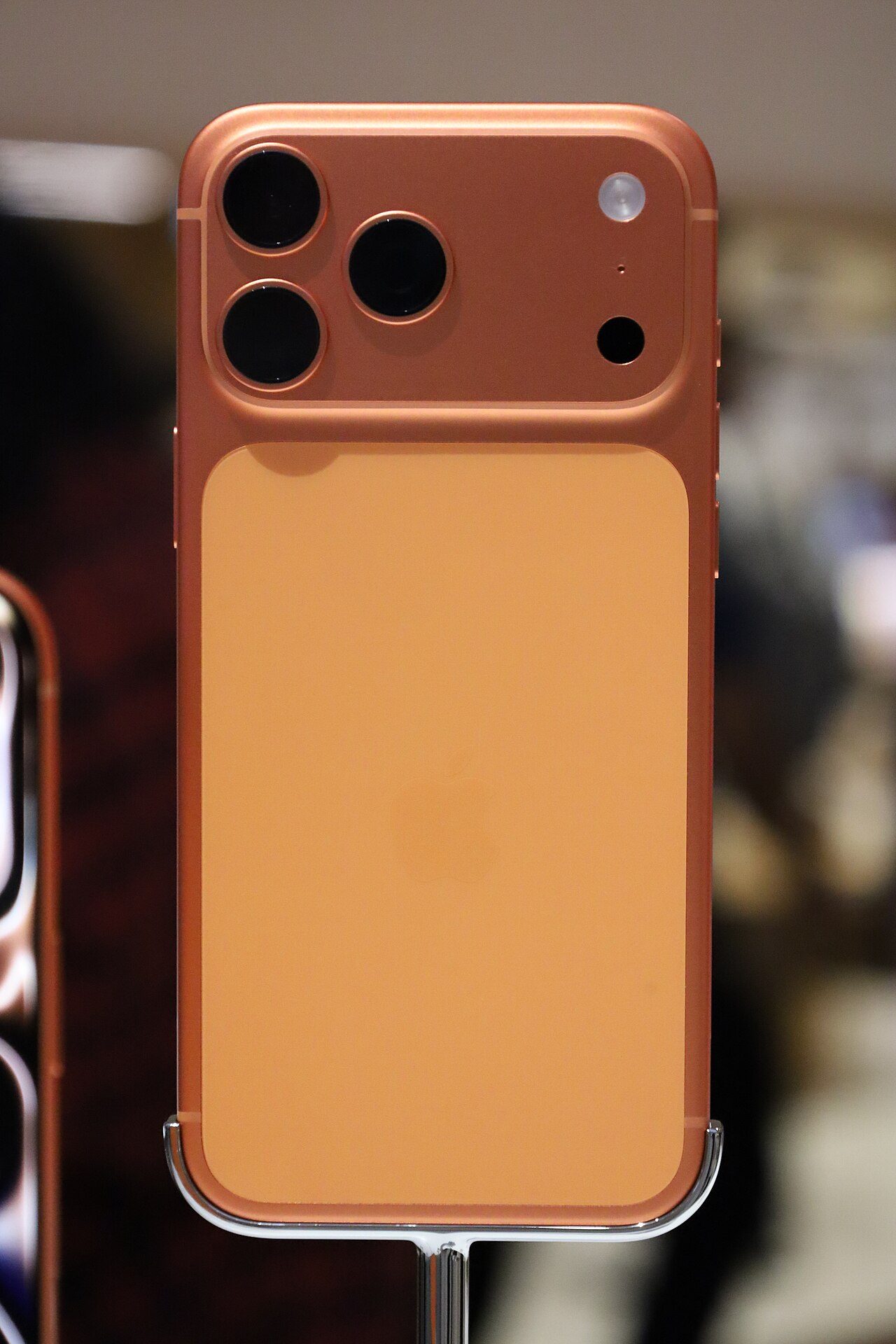
Исследование глобальных цен на 41 экономику, подготовленное аналитиками Deutsche Bank Джимом Рейдом и Галиной Позднякова, показало, что iPhone 17 Pro (256 ГБ) продается дороже всего в Турции; об этом сообщила газета Sözcü.
Один и тот же телефон стоит в Турции 2.592 доллара, а в США — 1.181 доллар, то есть турецкий потребитель платит более чем в два раза больше, чем его американский аналог. За Турцией в рейтинге следуют Бразилия (2.260 долларов) и Египет (1.872 доллара). В число самых дешевых стран входит Япония благодаря слабой иене и налоговым льготам.
Отчет использует продукт Apple в качестве глобального индекса цен: iPhone, производимый по одинаковым стандартам по всему миру, показывает, как валютная политика и налоговое бремя каждой страны непосредственно влияют на конечную цену для потребителя. Разница в цене в Турции имеет два основных источника: девальвация лиры по отношению к доллару и высокие импортные пошлины.
Это соотношение указывает на конкретное неравенство для турецких домохозяйств: работник на минимальной заработной плате должен потратить пять месячных чистых доходов только на этот телефон. В аналогичном исследовании в прошлом году Турция также занимала верхние строчки рейтинга; однако для модели 2025 года разрыв по курсу доллара еще больше увеличился.
Источники — откуда мы это знаем
- ПервичныйSözcü Gazetesi