Этот материал пока доступен только на языке: английский — перевод ещё не готов.
Mecca Pact envoys visit Tehran seeking to head off new US-Israel attack on Iran
Pakistan's army chief, Saudi Arabia's defence minister and Turkey's intelligence chief met President Pezeshkian in a coordinated diplomatic push.
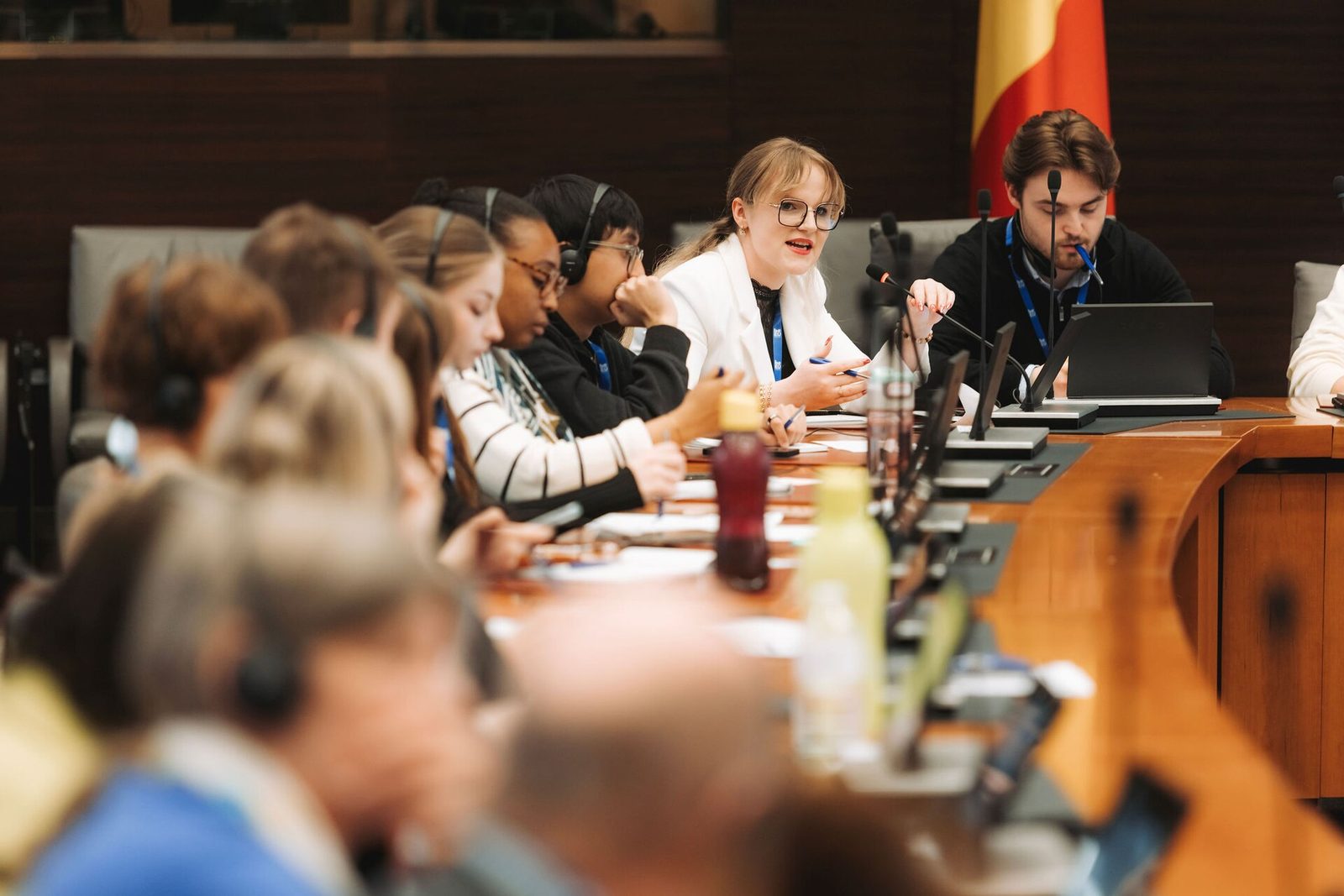
Pakistan's army chief Asim Munir, Saudi Defence Minister Khalid bin Salman and Turkish intelligence chief Ibrahim Kalin travelled to Tehran on Monday to meet Iranian President Masoud Pezeshkian and senior officials, in the highest-level diplomatic contact since the Mecca defence pact — a military alliance of Islamabad, Riyadh and Ankara — was formally established this summer.
Saudi Arabia said the trip aimed to open negotiating channels and prevent renewed military escalation. A senior Pakistani official cited by Reuters said the talks focused on building a regional non-aggression network, covering US-Iran negotiations, Houthi attacks on Saudi Arabia, the Strait of Hormuz and the US naval blockade.
A separate Pakistani official told Reuters that Munir presented Iran with a conflict resolution proposal designed to offer something to both Washington and Tehran, with the three Mecca states and Qatar acting as mediators. That official said US President Donald Trump had previously authorised Munir to pursue diplomacy.
Iran's response was positive but short of a breakthrough. Mohsen Rezaei, head of Iran's Supreme National Security Council, told state television that discussions had been "very good" and that "a new atmosphere is emerging in the region." Rezaei also argued that regional security should be built by West Asian countries without outside intervention.
A day after the Tehran meeting, Rezaei reportedly met Supreme Leader Ayatollah Ali Khamenei, who called for protecting Iran's interests and maintaining Tehran's conditions for ending both the war and the current state of "neither war nor peace," according to Iranian state media.
Separately, Pezeshkian travelled to Moscow for the Gas Exporting Countries Forum, where he met Russian President Vladimir Putin and Qatar's Emir Sheikh Tamim bin Hamad Al Thani. Iranian state media framed the contacts as evidence that the US had failed to isolate Tehran diplomatically.
Источники — откуда мы это знаем
- ПервичныйDeutsche Welle (EN)