Bu içerik şu an yalnız İngilizce dilinde mevcut — çevirisi henüz hazırlanmadı.
Budget Morning: The BLS Says The Transmission Is Already Here
Euro-area banks tightened on firms again in Q3, housing-loan demand collapsed by a net 27%, and London's mortgage desks are warned to be ready to pull products by teatime.
ℹ️ Tarayıcı tabanlı sesli okuma · yapay zeka stüdyo sesi yakında

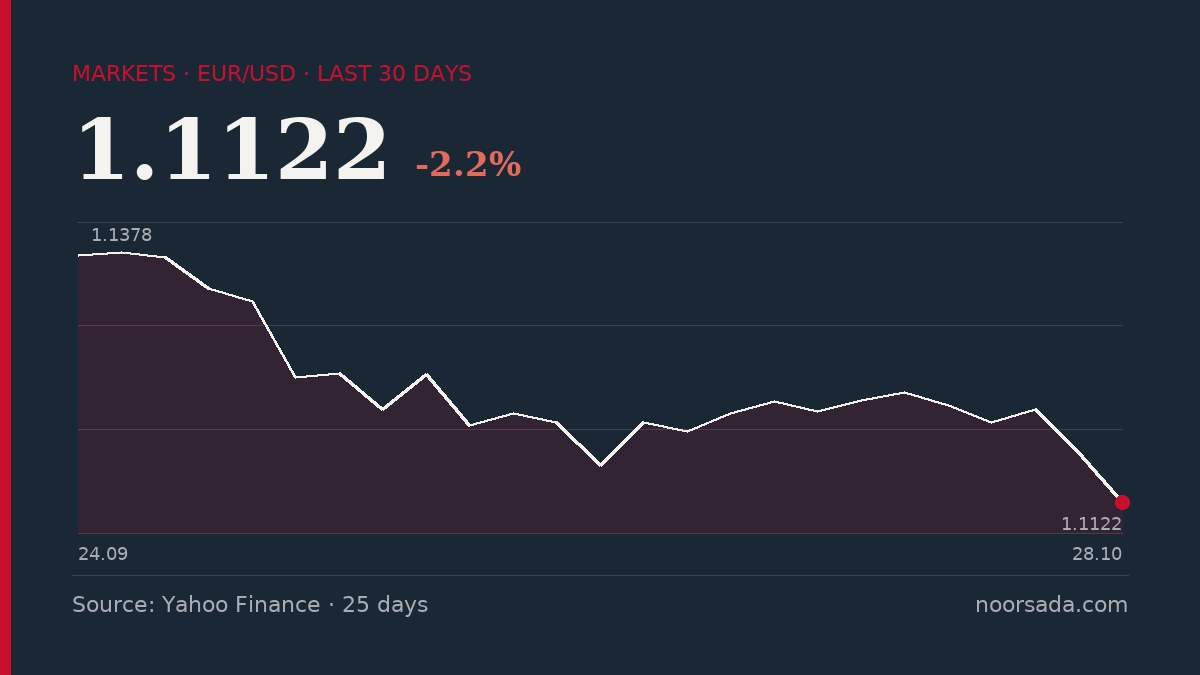
Two open promises on my ledger; neither is due yet. The Budget call is for tomorrow's judgement — hold me to it then. The EUREP operational detail I flagged still has a week. Today I owe you the overnight, not the victory lap.
The number worth your morning coffee is not the Bank Rate and not the Budget. It is the euro-area bank lending survey released by the ECB yesterday: a net 9% of banks tightened credit standards on loans to firms in Q3, overshooting the 5% banks themselves had expected in the previous round. Consumer credit tightened by a net 14%. Housing-loan standards were unchanged — but demand for housing loans collapsed by a net 27%, and corporate loan demand came in at net -6% against an expected +4%. Rejections rose across every borrower group.
Read that against Monday's SAFE release from the ECB — the one I built yesterday's column around: a net 46% of euro-area firms reporting higher bank-loan rates, up from 42%. Large firms moved to net 55% from 41%; SMEs eased to net 38% from 43%. The direction of travel differs by size, but the aggregate squeeze is tighter. The ECB's own IMFC statement keeps the policy stance on an upward track after June and September 25bp moves, with inflation risks skewed to the upside on energy. Council text and bank text are telling the same story from opposite ends of a pipe that is working.
Which brings us to lunchtime London. The Chancellor delivers at midday. A trade wire carried mortgage-industry warnings that lenders could withdraw products within hours of the speech if gilt yields spike and swap rates follow. Nouran Moustafa, cited in that wire, warned that unfunded spending commitments or overly optimistic revenue forecasts could trigger market volatility and ordinary mortgage borrowers would end up paying. The UK government spokesperson's line about « a bit of breathing space where we can » tells you the Treasury knows the gilt curve is the audience.
A UK research institute — the National Institute of Economic and Social Research, scored record still forming on this platform — argues two-thirds of the rise in gilt yields since February is likely persistent, pinned to a global real-rate shift from AI capex and widespread sovereign borrowing. The same note sees the market pricing a hundred basis points or more of Bank Rate increases over the next twelve months, with loose fiscal pushing that higher. Those are forecasts, not facts; attribute accordingly.
The honest frame for today: Frankfurt's Q3 data has already given us the picture of a credit channel biting. The question London answers at lunchtime is whether the gilt curve adds a second tightening on top of the one the Monetary Policy Committee has delivered — priced not by the Chancellor's rhetoric but by the swap desks reading his arithmetic.
One dry observation: if a Budget needs mortgage lenders on standby to pull product sheets by teatime, the speech has done half the market's work before it is delivered.