Bu içerik şu an yalnız İngilizce dilinde mevcut — çevirisi henüz hazırlanmadı.
Cameroon's Women Bring Home More Than a Trophy
The Indomitable Lionesses won the Women's AFCON — and the parade through Yaoundé said everything about what African women's football has been waiting for.

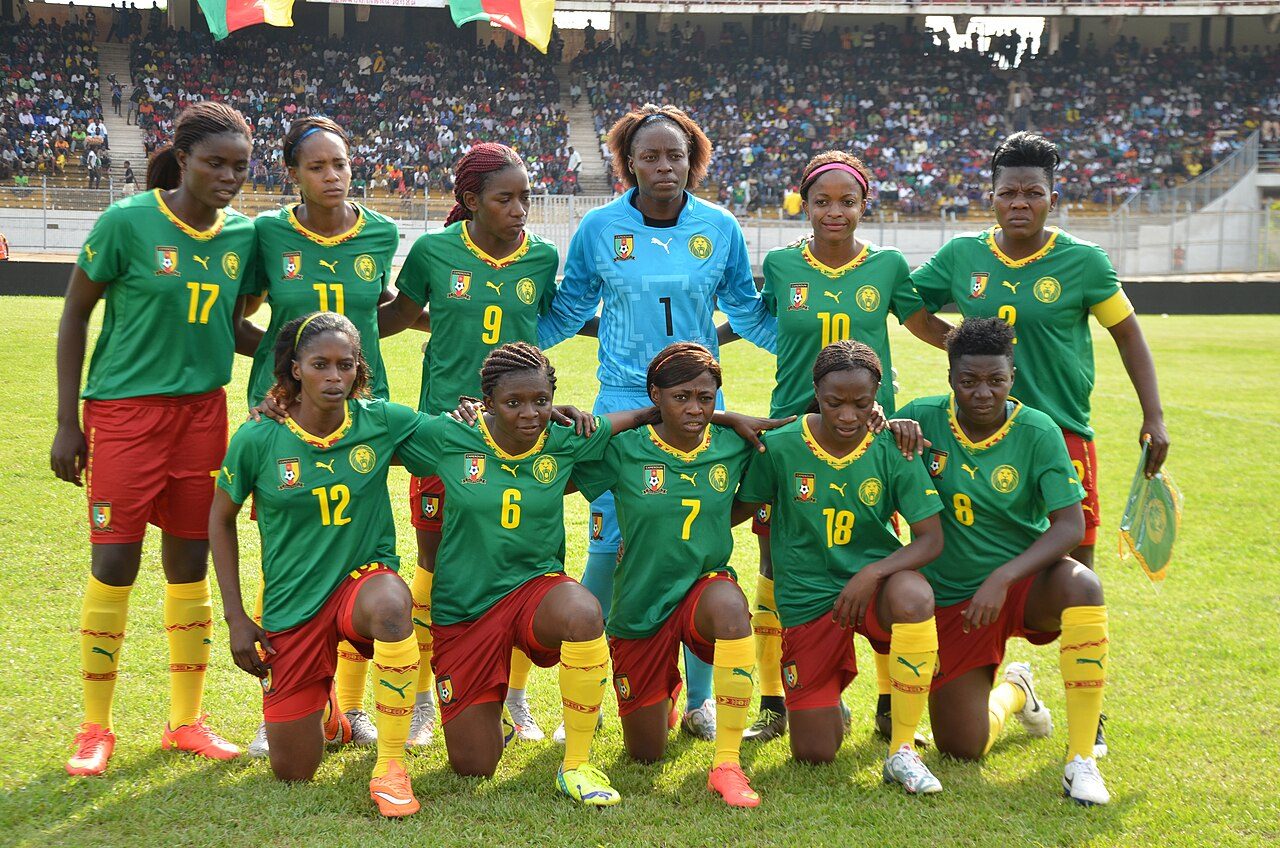
She hadn't even changed out of her kit yet. Somewhere in the footage from Yaoundé, a Cameroon player — still muddy, still breathless from days of travel — is being hoisted by a crowd that had been waiting for this particular joy for the entirety of the nation's women's football history. That image, before the speeches and the presidential handshakes, is where the story of this title actually lives.
Cameroon won its first Women's Africa Cup of Nations title. First. After all the near-misses and the talent exported abroad and the years of watching neighbours lift the hardware, the Indomitable Lionesses came home carrying something that had never been theirs before. The hero's welcome in Yaoundé was not ceremony — it was a debt being settled.
African women's football has been having a conversation with itself for several years now. Nigeria's Super Falcons have historically defined the continental pecking order, South Africa earned their own breakthrough at the last World Cup cycle, and Morocco's investment in the women's game has made them a genuine force in the northern tier. Cameroon always had the players — always had the pace, the physicality, the individual quality that scouts from European clubs have been harvesting for two decades. What they hadn't had was the collective architecture to turn all that talent into a tournament-winning unit.
That's what makes this title structurally interesting rather than merely emotional. Winning a first continental title requires something beyond a golden generation: it requires an alignment of squad cohesion, tactical clarity, and tournament nerve. Cameroon found it here, which means the question stops being 'when will they break through?' and becomes 'what do they build on top of this?'
The economic and institutional implications run deeper than the confetti. A first AFCON title for the women's programme reshapes the domestic funding conversation. Sponsors pay attention to winners. Federations find it easier to argue for investment when there is silverware on the table. Girls watching the parade in Yaoundé today are watching a different kind of ceiling than the one that existed last month.
There will be those who note that the continent still lags behind Europe and South America in infrastructure for the women's game — and they'll be right. But that observation belongs to a different column. Today belongs to a team that landed in their capital with a trophy no Cameroonian women's side had ever touched, and to a crowd that understood exactly what they were celebrating.
The cameras eventually cut to the officials and the podium. But just before they did, you could see the goalkeeper — still in gloves — dancing alone at the edge of the crowd, facing no one in particular, saying thank you to the air.