This story is currently available in англійська only — a translation isn't ready yet.
Jogorku Kenesh Committee Approves Ban on Pledging Subsoil Licenses
The bill also introduces electronic auctions and a registry of technogenic formations — more than 90 tailings ponds and spoil heaps.
ℹ️ Озвучка браузером · студійний голос ШІ незабаром
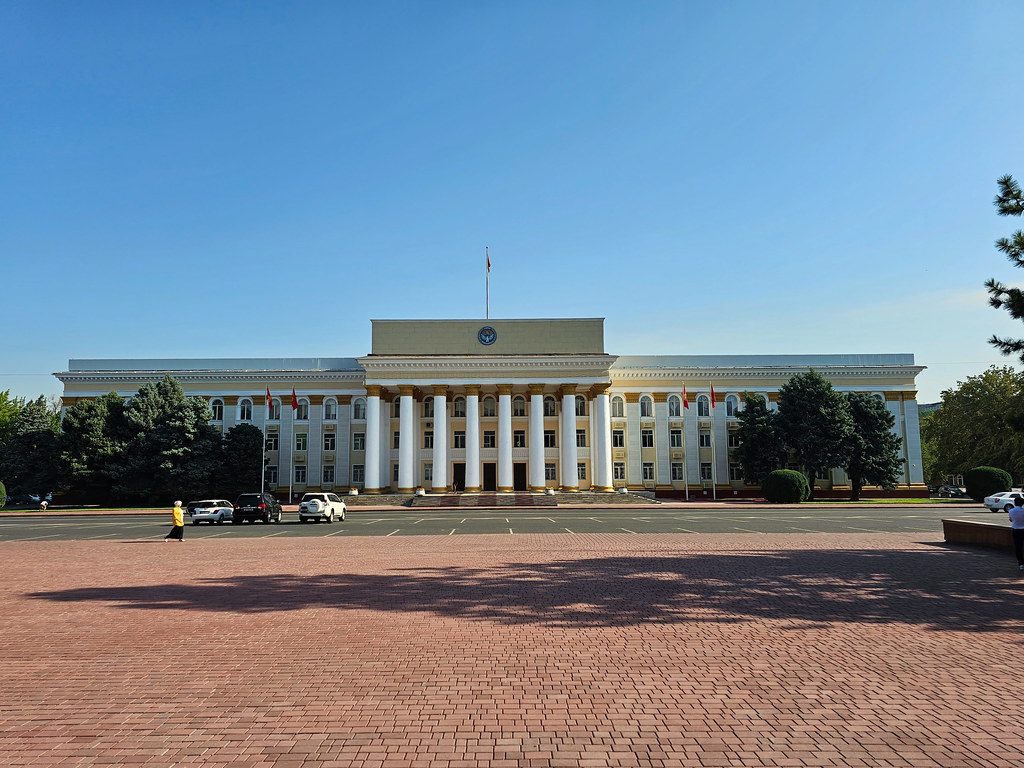
The Jogorku Kenesh committee on agrarian policy, water resources, subsoil use, ecology and environmental protection approved in second reading amendments banning the transfer of subsoil use licenses as collateral. The bill amends the laws 'On Pledge', 'On Subsoil' and 'On Production and Consumption Waste', Deputy Minister of Natural Resources, Ecology and Technical Supervision Amantur Tursuniyazov told the session.
According to him, current norms permit the pledging of licenses, but there are no clear procedures for formalization and control. This creates legal uncertainty: licenses may end up with third parties who did not take part in competitive procedures and bear no direct responsibility to the state for fulfilling license obligations. The ban, in the initiators' view, will strengthen state control over the use of natural resources and reduce the risk of losing control over strategic deposits.
The second block of the reform concerns technogenic formations — tailings ponds, spoil heaps and overburden rocks. Kyrgyzstan has more than 90 such facilities containing useful components that can be brought into economic circulation. At present the law does not define their legal status and does not provide for a unified state registry or special licensing procedures for processing. The bill establishes the status of such facilities, creates a registry and introduces a separate article on licenses for secondary processing — with requirements for environmental expertise, land reclamation and financial security for the liquidation of the consequences of the work.
The deadlines for fulfilling license conditions are also being revised: the current two-year period, as noted in the explanatory note, is often insufficient for conducting expert reviews, preparing project documentation and finding investors.
In addition, it is proposed to establish a unified procedure for accumulating and using funds intended for the reclamation of disturbed lands: it will be determined by the cabinet of ministers, and spending will be strictly targeted. Auctions for granting the right to use subsoil are being converted from paper format to electronic — this should increase the transparency of procedures, cut administrative costs and ensure broader access for participants, including from the regions.
The issuance by local state administrations of certificates of registration of rights to extract sand-gravel mixture and loam is also being abolished — instead a licensing procedure will apply. According to the Ministry of Natural Resources, adoption of the bill will make it possible to eliminate gaps and contradictions in the legislation, strengthen state control over subsoil use, increase the transparency of license issuance and reduce environmental risks.