This story is currently available in англійська only — a translation isn't ready yet.
Uzbekistan's Central Bank: Power plant capacity up 50%, but grid wear hampers supply
The regulator linked the reliability of energy supply to a sustained decline in inflation and warned of the risk that tight monetary policy may have to be maintained
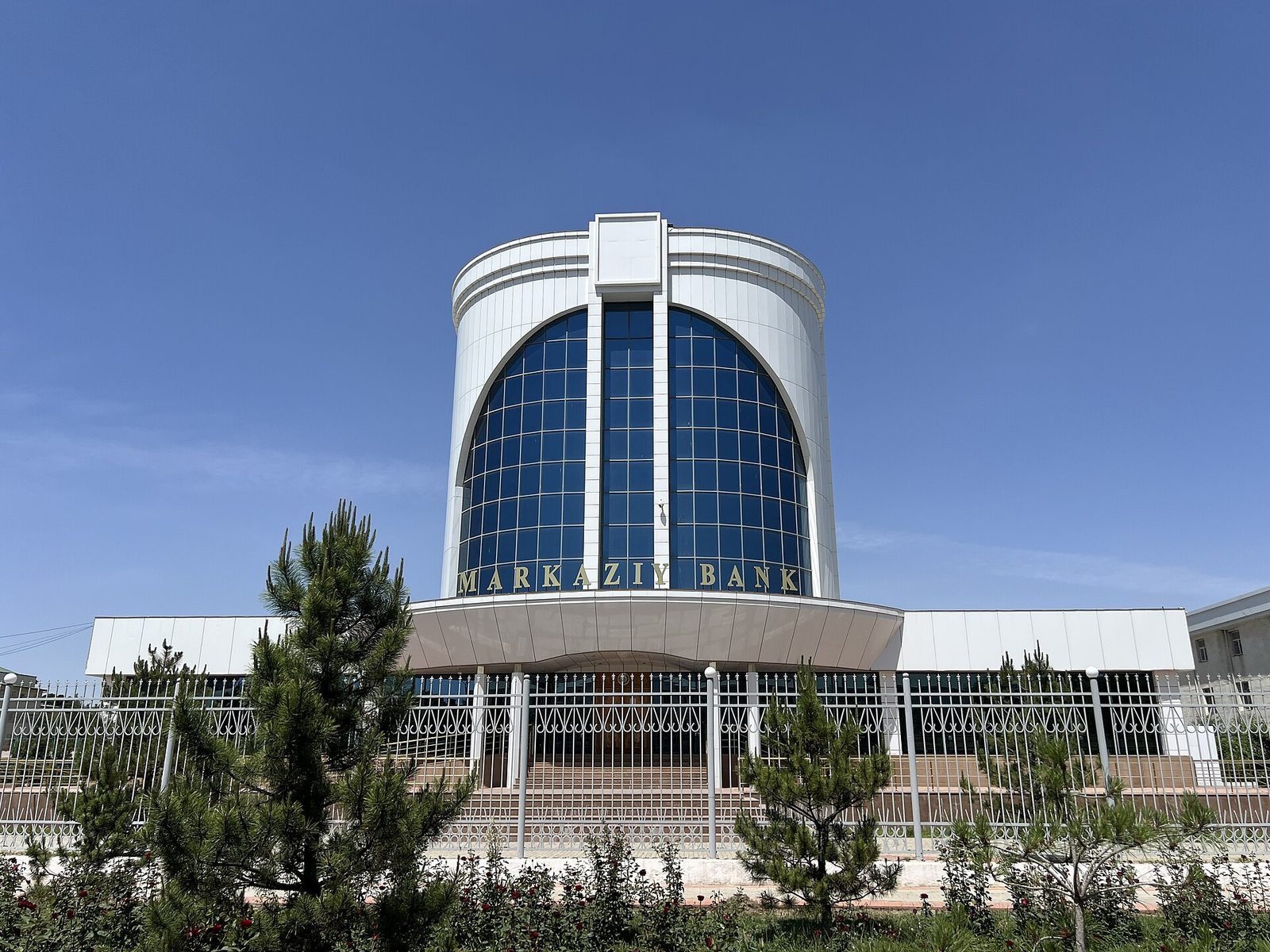
The installed capacity of Uzbekistan's power plants increased by 50% over 2021-2025, but wear on electrical grids, energy losses and outages in certain regions prevent the new capacity from being fully used. This is stated in the draft concept of the main directions of monetary policy of the Central Bank for 2027-2029.
According to official data, in June-July 2026 alone there were about 4,000 accidents in the electrical grids, electricity losses were estimated at 17.2%, and over six months their volume reached 4.8 billion kWh. In certain regions, residents and entrepreneurs were left without electricity for 8-10 hours. At a meeting with the president on 27 July it was also said that, when planning infrastructure in a number of regions, the growth in electricity consumption and the load on the grids had not been taken into account in a timely manner.
The World Bank reported in May 2025 that more than half of Uzbekistan's distribution grid facilities had been in operation for over 30 years, and that technical losses in distribution networks in 2024 amounted to about 13%. According to the bank's estimate, by 2030 Uzbekistan will need about 3 billion dollars to modernize and expand its distribution grids.
In May 2025 the World Bank approved a concessional loan of 100 million dollars, with a further 50 million dollars to be provided by the company Regional Electric Networks. The 150 million dollar programme provides for the construction and modernization of 6,000 km of low-voltage distribution lines, the installation and replacement of 1,200 transformers, the connection of 150,000 smart meters and the installation of 4,000 devices for automated data collection. In October 2026 the World Bank reported the financing of another programme, worth 371 million dollars: the modernization and digitalization of 60 key substations. The Asian Development Bank will provide 200 million dollars for these purposes, the World Bank 100 million, and a further 71 million will be Uzbekistan's financing; the programme will be implemented by the company National Electric Networks of Uzbekistan. By 2031, the upgrading of substations will make it possible to cut electricity losses at these facilities by 20,000 MWh a year and will create the possibility of connecting an additional 3.3 GW of renewable energy capacity.
The Central Bank regards the reliability of energy supply as one of the factors behind a sustained decline in inflation. In its assessment, bringing energy tariffs closer to an economically justified level creates the financial preconditions for renewing the sector, but at the same time increases the costs of households and businesses, so tariff increases must be accompanied by an improvement in the quality of services and a reduction in technological losses. Recurring disruptions to energy supply and further growth in prices for goods and services as a result of higher tariffs may require tight monetary policy to be maintained for longer. The Central Bank's baseline forecast is for inflation to fall to 5% in the second half of 2027.
At a meeting on 23 February 2026, President Shavkat Mirziyoyev pointed out that, without the construction of additional trunk lines, the capacity of the power plants could exceed the transmission capacity of the grids. Provision has been made for the construction of three high-voltage lines with a total length of 602 km; in Tashkent, tasks have been set for the construction of 75 km of high-voltage lines and five substations, the modernization of 69 km of networks and 18 substations, and the renewal of 638 km of low-voltage networks.
Sources — how we know this
- PrimaryGazeta.uz
Energy Portfolio
Check your broker for the latest on energy stocks.
View Now →