This story is currently available in англійська only — a translation isn't ready yet.
Fishing Protocol Between Mauritania and European Union Expires as Dozens of Vessels Depart
First time European fishing vessels have left Mauritanian waters since 1987, after negotiations failed over a financial gap of 20 million euros
ℹ️ Озвучка браузером · студійний голос ШІ незабаром
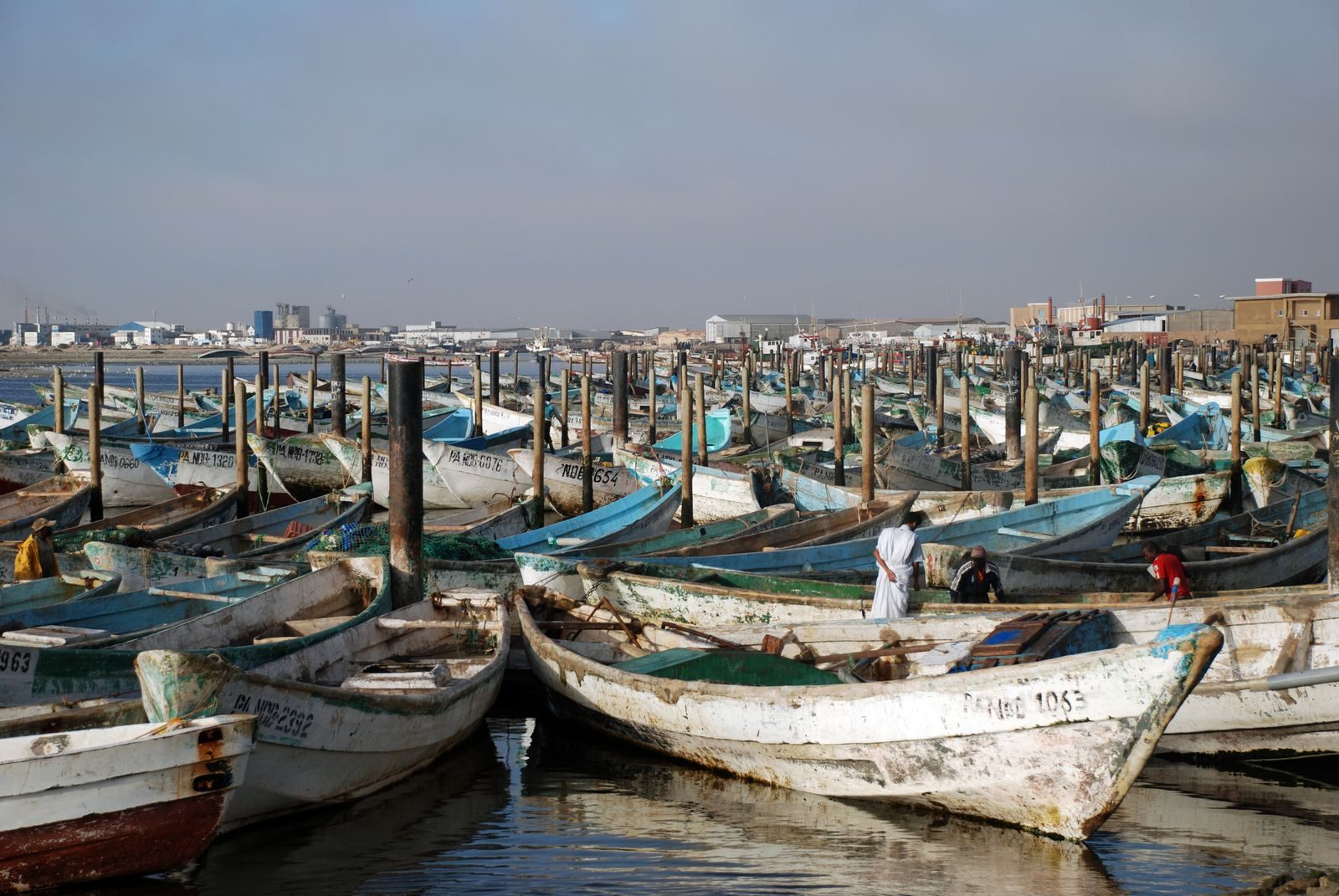
The implementing protocol of the fisheries partnership agreement between Mauritania and the European Union officially expired at midnight on Saturday-Sunday, after several rounds of negotiations failed to reach a new agreement or a temporary extension, forcing dozens of European vessels to halt their activities and leave Mauritanian waters.
It is the first time European fishing vessels have left Mauritanian waters since the fishing agreement between the two sides was signed in 1987. The framework agreement signed in 2021 remains in force as a general legal framework, but the expiry of the implementing protocol means the legal right of European vessels to fish under the previous terms has ceased.
The protocol had allowed vessels from ten EU member states, foremost among them Spain, France, Portugal, the Netherlands and Latvia, to catch up to about 280,000 tonnes annually, in exchange for a European financial contribution of 60.8 million euros per year.
Negotiations on renewal began at the start of this year and continued through at least four rounds, in addition to direct contacts between the European Commissioner for Fisheries and Oceans Kostas Kadis and the Mauritanian Minister of Fisheries and Maritime Infrastructure and Ports Aissata Lam. The dispute centered on the financial compensation that Nouakchott demands be raised. It extended to the size of fishing quotas, particularly for small pelagic fish, and to the conditions of sustainable exploitation. Although the Commission presented a revised offer in recent days, a diplomatic source said the gap between the two sides reached 20 million euros.
Spain, Portugal, the Netherlands and Latvia requested a study of the possibility of a temporary extension, and Europêche, which represents the interests of the European fishing sector, called for an extension of no less than six months, but the Commission indicated that the necessary mandate was not available. The Commission had informed member states in advance that vessels would not be authorized to continue fishing after 14 November, while the Mauritanian coast guard issued a circular obliging European vessels to stop activity and head to the port of Nouadhibou to complete departure procedures, warning of penalties in the event of violation.
The number of directly affected vessels is estimated at about 60, including about 25 to 30 Spanish vessels, most of them from the Andalusia region. Spanish estimates speak of losses of millions of euros per month and a threat to about 500 direct and indirect jobs in Cadiz and Huelva, while reports indicate that 1,000 Mauritanian sailors who were working aboard European fishing vessels will lose their jobs, and that the government will lose 60 million euros it used to receive annually and had not included in the 2027 budget draft.
Spanish Minister of Agriculture and Fisheries Luis Planas expressed his disappointment, calling on the European Commission to continue contacts to reach a new protocol as soon as possible. He noted the availability of temporary alternatives for the Spanish fleet in the waters of Portugal and Guinea-Bissau, warning of the risks of some vessels turning to raise the flags of other countries. European circles described the departure of the vessels as a "sad day", stressing that Mauritanian waters represent one of the most important fishing grounds for the European fleet outside European waters.
Nouakchott has not issued a detailed official position on the expiry of the protocol, contenting itself with an earlier affirmation of the need to reach balanced results that preserve common interests and the sustainable exploitation of resources. Neither side has announced the closure of the negotiating track.
Sources — how we know this
- PrimaryAsharq Al-Awsat