This story is currently available in англійська only — a translation isn't ready yet.
Dar: Pakistan continues its mediation between Washington and Tehran with regional support
Araghchi accuses Washington of "aggression and economic siege" and holds it, along with Israel, responsible for the lack of security in the Gulf, while Islamabad links improved relations with Kabul to an end to terrorism
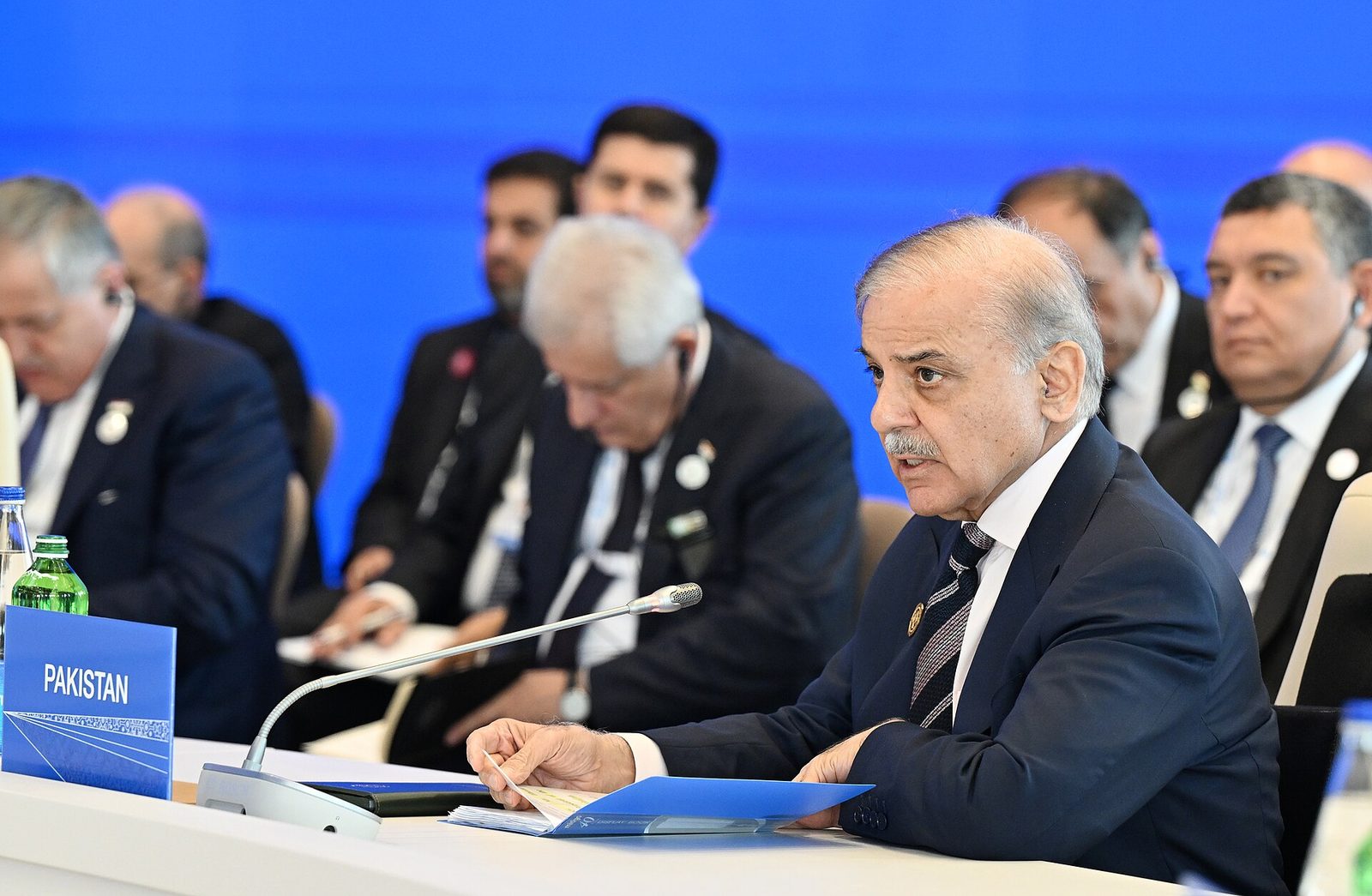
Pakistani Foreign Minister Ishaq Dar announced Monday that his country will continue its diplomatic efforts to calm tensions between the United States and Iran, with support from the regional states participating in the Economic Cooperation Organization meeting in Islamabad.
The meeting of the organization, which comprises ten states, was attended by foreign ministers and senior diplomats from several Asian countries, including Iranian Foreign Minister Abbas Araghchi. The meeting is expected to focus on expanding regional cooperation, particularly in trade, by strengthening transport and exchange links among members, including Afghanistan, Iran, Pakistan, Turkey and former Soviet republics.
Dar said that peace and stability are essential prerequisites for economic development, and that Pakistan is "deeply concerned about conflict and instability" in the region. He added that the repercussions of conflict and instability transcend national borders, disrupting trade routes, energy supplies, investment and economic projects for our peoples, stressing that "peace and development reinforce each other."
Iran's official IRNA news agency quoted Araghchi calling on the organization's members to strengthen cooperation and turn shared commitments into concrete actions, affirming that Iran has adhered to international law and the peaceful settlement of disputes. He said: "Over the past two years, Iran has remained committed to diplomatic engagement and peaceful solutions."
Araghchi accused Washington of "aggression, threats, targeted assassinations, economic coercion and siege," describing this as a violation of international law and the UN Charter, and held the United States and Israel responsible for the lack of security in the Arabian Gulf and the developments surrounding the Strait of Hormuz, saying: "This reality cannot be falsified."
Pakistan hosted in April the first round of direct talks between Washington and Tehran, and the two sides signed a temporary agreement in June to end the conflict, amid mutual accusations of prolonging the confrontation over the Strait of Hormuz. Islamabad has repeatedly called for the reopening of the strait, whose closure led to a sharp rise in oil prices and harmed its struggling economy.
Dar affirmed that Pakistan calls for "the peaceful settlement of disputes through dialogue and diplomacy in accordance with international law and the UN Charter," noting that Prime Minister Shehbaz Sharif and Army Chief Field Marshal Asim Munir remain in close contact with regional states and international partners. He said: "Pakistan will continue these diplomatic efforts in support of dialogue, de-escalation and lasting regional stability."
On the Afghan file, Dar said that Pakistan wants Afghanistan to be "peaceful, prosperous and stable" and fully integrated into the organization's framework, adding that achieving this serves the Afghan people and the wider region and opens important areas for trade, transit and economic cooperation, but he stressed that "real progress requires the Afghan authorities to address the legitimate security concerns of neighboring countries," foremost among them the threat of terrorism. No Afghan diplomat attended Monday's meeting.
Pakistan accuses the Taliban government of harboring the banned "Tehrik-i-Taliban Pakistan," the "Balochistan Liberation Army" and "Al-Qaeda in the Indian Subcontinent," and says that militant violence has escalated because of Kabul's support for these groups, which the latter denies. Tensions between the two countries escalated this year during repeated border clashes and Pakistani airstrikes.
Sources — how we know this
- PrimaryAsharq Al-Awsat (EN)