This story is currently available in англійська only — a translation isn't ready yet.
Rashad in Tripoli: Meeting with Dbeibah After Cairo Talks with Saddam Haftar
Dbeibah's office says the meeting addressed security cooperation and support for stability, and its statement does not mention the maritime border demarcation agreement with Turkey
ℹ️ Озвучка браузером · студійний голос ШІ незабаром
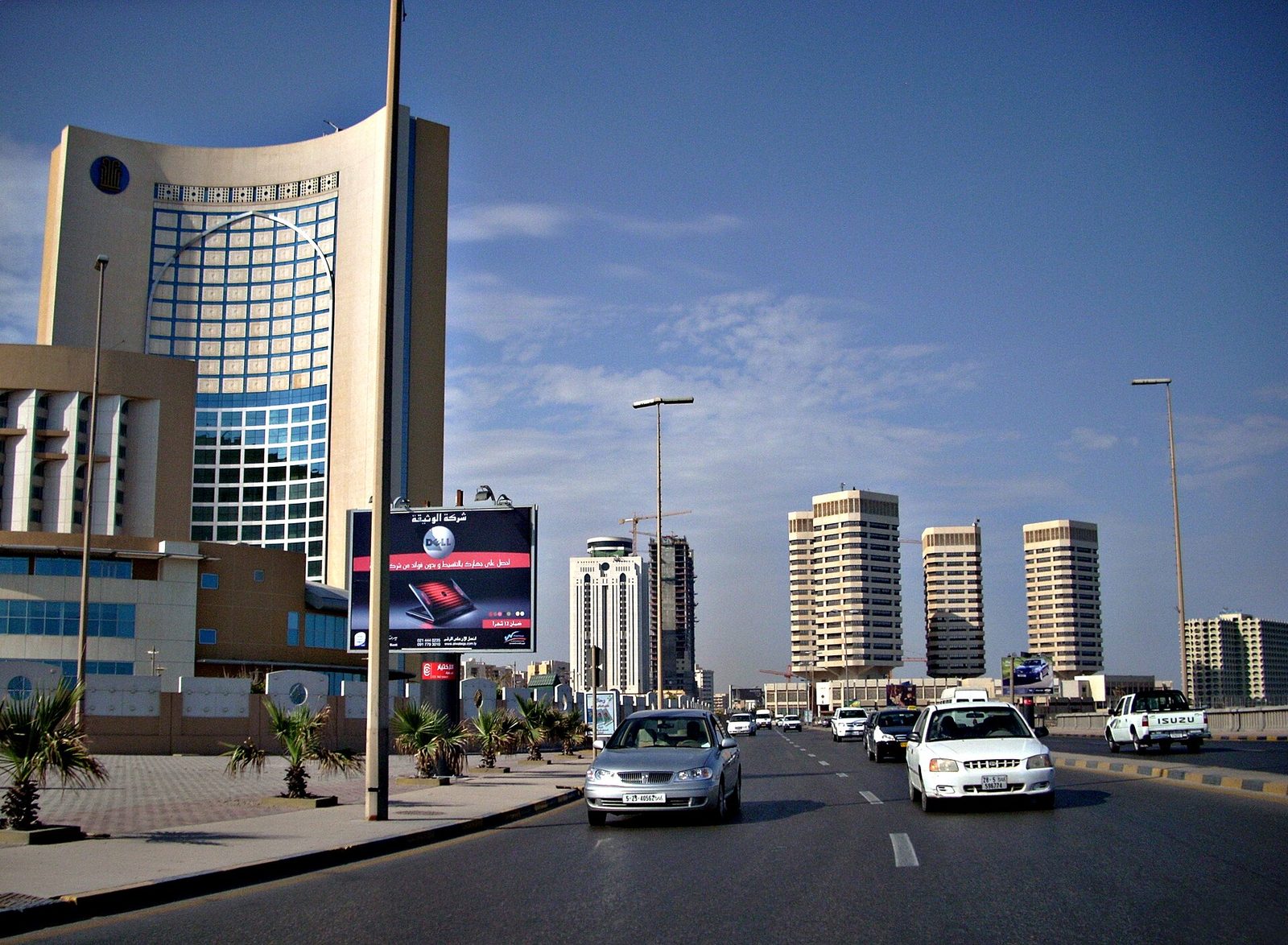
Abdul Hamid Dbeibah, head of Libya's interim Government of National Unity, discussed with the head of Egypt's General Intelligence Service, Major General Hassan Rashad, in Tripoli on Monday, the latest political and security developments in the country.
The meeting came after talks held in Cairo between Rashad and Lieutenant General Saddam Haftar, deputy commander-in-chief of the Libyan National Army, following what some described as tension in relations with the east of the country after the House of Representatives approved the maritime border demarcation agreement with Turkey.
Dbeibah's office said the meeting addressed developing areas of joint cooperation, especially in the security fields, "in a way that serves the interests of Cairo and Tripoli," alongside discussing the efforts being made to support endeavors to achieve stability and preserve Libya's unity and sovereignty. It added that the two sides touched on current regional developments and stressed the importance of coordinating positions to confront common challenges.
The statement from Dbeibah's office made no mention of the maritime border demarcation agreement with Turkey, nor of the talks held in Cairo with Saddam Haftar.
Saddam Haftar had said that his consultations in Cairo with Rashad addressed "developments in the situation in Libya and ways to push the political process toward unifying power and state institutions, in a way that prepares the conditions for holding elections and achieving stability in the country."
Observers see Cairo's movement between the Benghazi and Tripoli authorities as a "reconciliatory endeavor" aimed at "bringing the two sides closer," especially with the talks Saddam conducted in Cairo on 13 February this month, basing this on his statement in which he "valued Egypt's keenness on Libya's unity and stability."
In a parallel track, Head of the High Council of State Mohammed Takala discussed with Turkey's ambassador to Libya, Güven Begeç, the latest developments in the political scene and ways to overcome the current deadlock. The Council said in a statement on Monday that the meeting addressed "the efforts being made to push the political process forward, and to prepare the appropriate conditions for holding national elections in accordance with legal and constitutional frameworks."
The UN envoy to Libya, Hanna Tetteh, met members of the "Will Bloc" in the High Council of State. The United Nations Support Mission in Libya said on Sunday evening that the discussions "focused on the (4+4) agreement signed on 30 August last year, and the economic challenges in Libya," and that bloc members affirmed their support for the agreement "with some reservations." Tetteh noted that the mission "continues to communicate with the High Council of State, and that it will value its ratification of the (4+4) agreement," and highlighted "the economic costs of continued political stalemate."
Sources — how we know this
- PrimaryAsharq Al-Awsat