This story is currently available in англійська only — a translation isn't ready yet.
AFRICOM commander meets Dbeibah in Tripoli and Saddam Haftar in Sirte to push unification of Libyan institutions
Massad Boulos announced the two sides agreed on a comprehensive framework for unifying military, political, judicial and economic institutions, warning of 'consequences' for those who obstruct implementation
ℹ️ Озвучка браузером · студійний голос ШІ незабаром
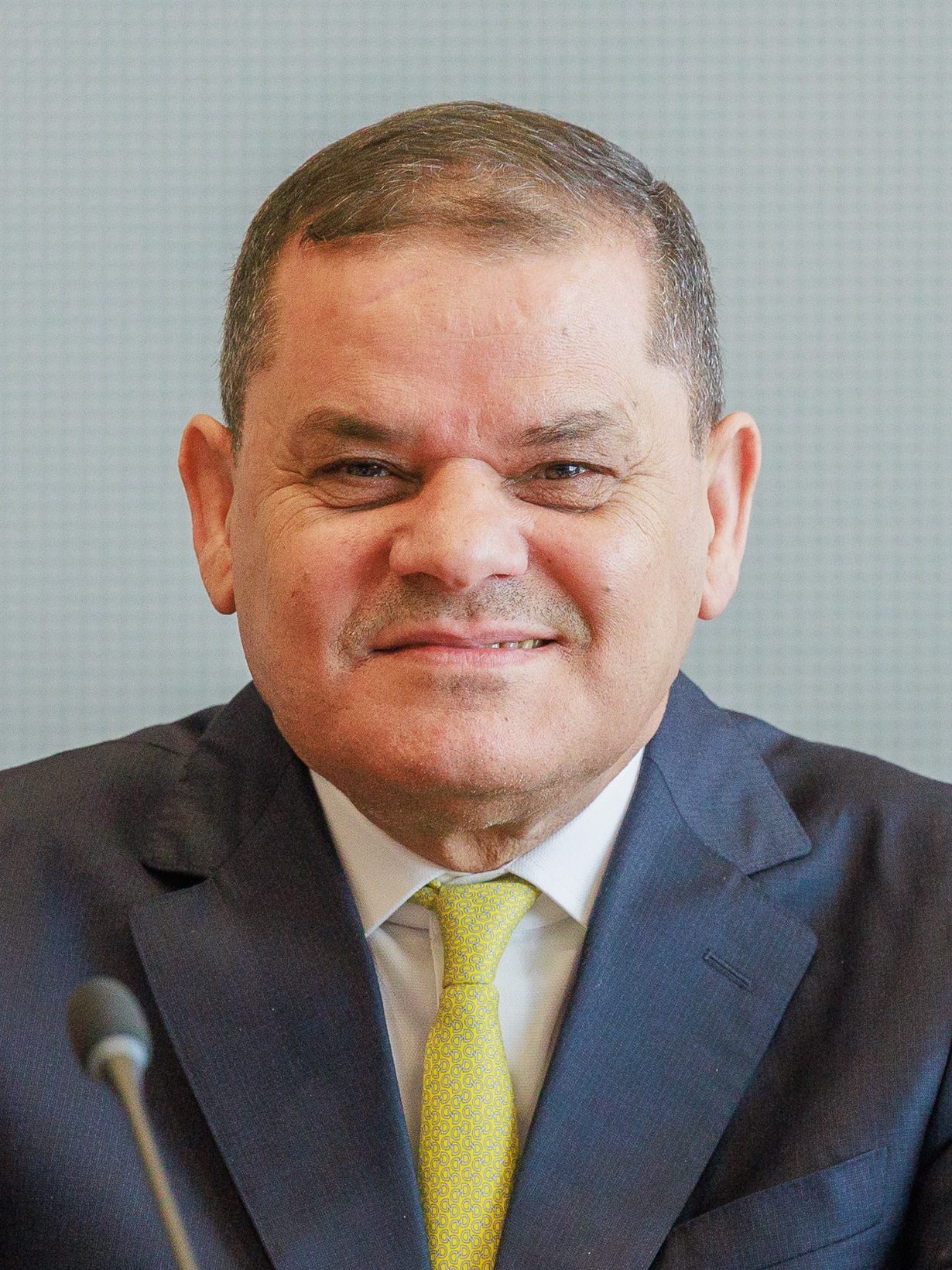
The US Africa Command (AFRICOM) announced that its commander, General Dagvin Anderson, visited Libya and met officials in the west and east of the country, as part of support for unifying military and security institutions, coinciding with the announcement by US President's adviser for Arab and African affairs Massad Boulos that the two Libyan sides agreed on a 'comprehensive framework' for unifying institutions.
In Tripoli, Anderson met the head of the Government of National Unity, Abdul Hamid Dbeibah, and in the city of Sirte he held talks with the deputy commander-in-chief of the Libyan National Army, Lieutenant General Saddam Haftar, which addressed the progress made in efforts to unify military and security institutions 'and make them more professional.'
AFRICOM said the meetings come within efforts to build a unified Libyan military framework and to strengthen military cooperation between the United States and Libya, and noted that military forces in eastern and western Libya are currently cooperating in joint preparations to take part in the 'Flintlock 2027' exercises that the command organizes annually.
In a statement on the 'X' platform, Boulos said leaders from eastern and western Libya worked 'for more than a year' on an initiative aimed at unifying military, political, judicial and economic institutions, paving the way for national parliamentary and presidential elections, pointing to progress on the military, budgetary, electoral and judicial unification tracks, and that the two sides 'agreed on a comprehensive and clear framework' that enjoys broad local and international support.
Boulos warned that any individuals or groups seeking to undermine implementation or obstruct it 'must realize that there will be consequences.'
Political analyst and strategic adviser specialized in Libyan affairs Daniele Rovinetti said that military coordination and the establishment of a unified national command 'represent two different achievements,' noting that the issues of command and political oversight over armed formations remain unresolved. He added that the Libyan division has created 'entrenched political and economic interests that may resist any redistribution of power,' expressing 'cautious optimism' about military integration and greater skepticism about a comprehensive political reunification soon.
He explained that US priorities combine regional security considerations and economic interests within a geopolitical competition, and that Washington seeks a more stable Libya capable of controlling its borders and coasts, 'in parallel with limiting the opportunities available to Russia to entrench its military presence and influence' in North Africa and the Sahel region, with importance attached to Libya's energy resources and investment potential.
He considered that the real test of the American initiative 'will not be measured by more statements and announcements,' but by the establishment of joint institutions that enjoy actual authority and the setting of a credible timetable for elections.
Sources — how we know this
- PrimarySky News Arabia