This story is currently available in англійська only — a translation isn't ready yet.
Dubai Airport Receives 50.4 Million Passengers in Nine Months... Passenger Traffic Down 28.1 Percent
Third-quarter figures show a gradual recovery from the impact of the regional conflict on aviation, with more than 70 million passengers expected this year
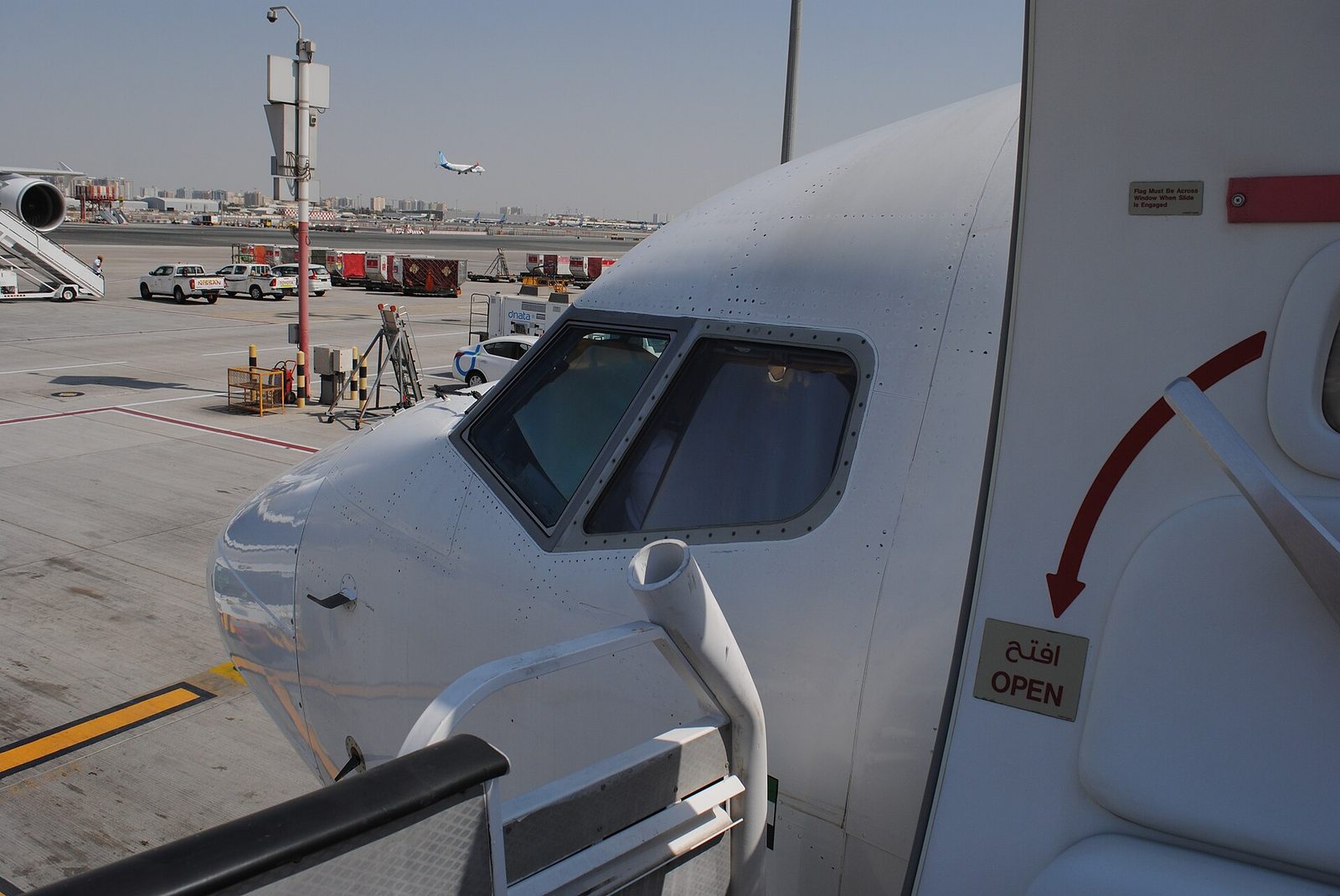
Dubai International Airport received 50.4 million passengers in the first nine months of 2026, a decline of 28.1 percent compared with the same period last year, according to figures announced by Dubai Airports.
The airport recorded 18.8 million passengers in the third quarter, with August the busiest month at 6.6 million passengers. Third-quarter traffic declined 22.1 percent compared with the same period in 2025. The airport had received 13 million passengers in the second quarter, bringing the first-half total to 31.5 million. Monthly traffic climbed gradually from 3.5 million in April to 4.5 million in May and then 5 million in June.
Paul Griffiths, Chief Executive Officer of Dubai Airports, said: "We expect to receive more than 70 million passengers this year. With more airlines returning and our network strengthening, we are focused on continuing to absorb the coming growth while making travel simpler and smoother."
The airport had received a record 95.2 million passengers in 2025, and forecasts had indicated the figure would approach 100 million this year. The airport, which opened in 1960, has served 1.5 billion passengers since then.
The airport currently serves 57 airlines connecting it to 235 destinations in 101 countries. British Airways resumed its services earlier this month, joining returning carriers including Royal Air Maroc, SunExpress and Cebu Pacific. In September, passengers to and from Dubai made up 49 percent of traffic, versus 51 percent for transit passengers.
India remained the airport's largest market in the third quarter with 2.6 million passengers, followed by Saudi Arabia with 1.4 million, then the United Kingdom with 1.3 million, Pakistan with 800,000, the United States with 640,000 and Germany with 480,000. London was the top destination city with 784,000 passengers, followed by Mumbai with 528,000, New Delhi with 525,000, Riyadh with 500,000 and Jeddah with 490,000. Milan recorded a 20 percent increase in passenger numbers, followed by Phuket with 17 percent, Cape Town with 14 percent, Barcelona with 13 percent and Denpasar with 11 percent.
Aircraft movements reached 243,000 in the nine months, down 27.6 percent, including 92,800 movements in the third quarter. Cargo volumes fell to 1.215 million tonnes, down 23.2 percent, including 464,000 tonnes in the third quarter. The average load factor was 74 percent, three percentage points lower than the same period, while the average number of passengers per movement was 211, down 0.8 percent.
Dubai Airports has expanded its investments in artificial intelligence, predictive analytics and interconnected operational systems to absorb returning demand within the existing infrastructure. Griffiths said: "Every process we simplify and every bottleneck we remove helps us use our current facilities more efficiently."
Sources — how we know this
2 independent sources corroborated this
- PrimaryGulf News
- CorroboratingSky News Arabia