This story is currently available in англійська only — a translation isn't ready yet.
Drone attacks on power stations plunge Sudan's cities into darkness
Electricity generation has fallen from about 4,400 megawatts before the war to about 1,100 megawatts, with 18 attacks on electricity infrastructure in at least nine states between 20 October and 2 November 2026
ℹ️ Озвучка браузером · студійний голос ШІ незабаром
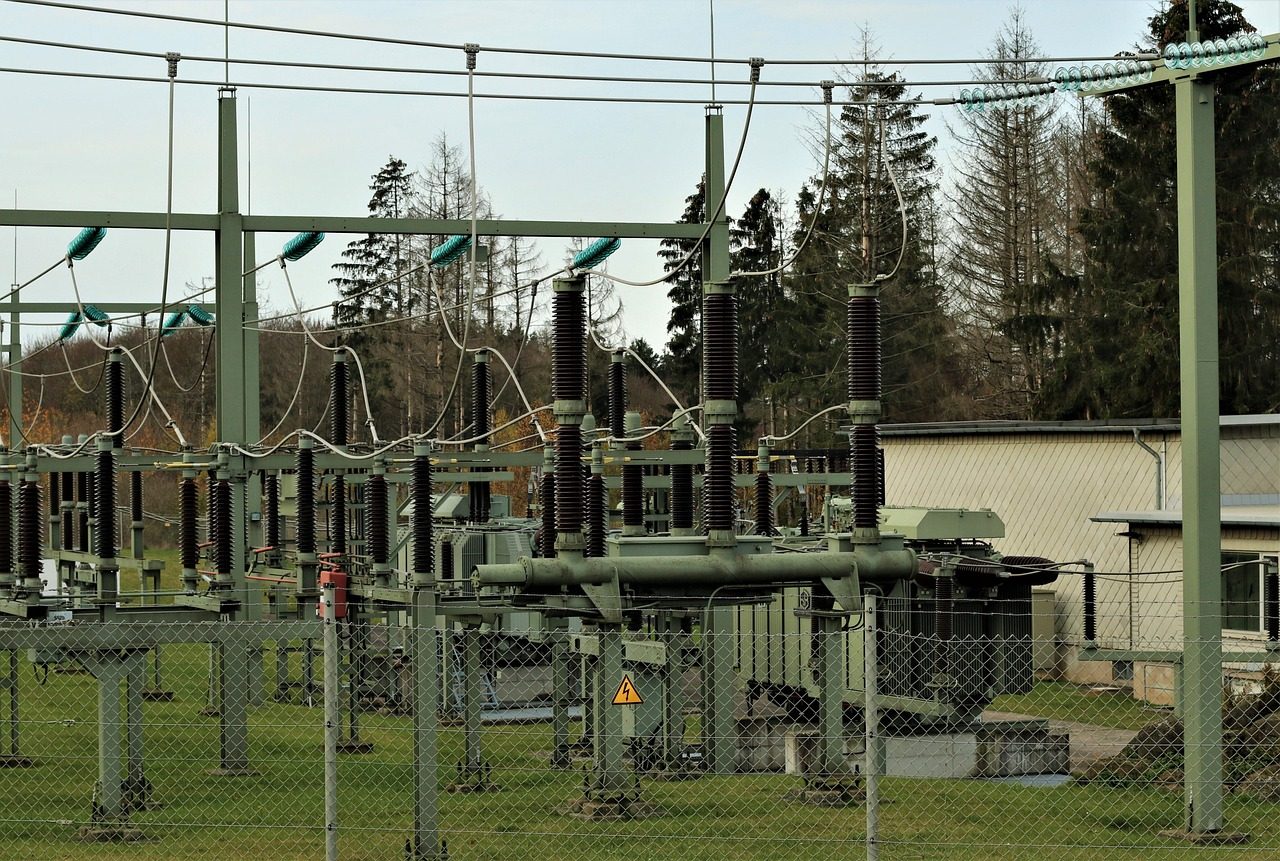
Electricity generation in Sudan has fallen from about 4,400 megawatts before the war to about 1,100 megawatts today, according to figures from the Associated Press, after repeated drone attacks on power stations.
At least 18 attacks on electricity infrastructure were recorded between 20 October and 2 November 2026 in at least nine states, leading to a decline in generation capacity and fuel shortages. Over the past month, the Rapid Support Forces have intensified their attacks on power stations in Khartoum state, where there is no clear schedule for outages that last between six hours and a full day.
Kamal Mohammed, 42, from the Al-Taqaddum neighborhood in Port Sudan, said the power cuts have made his life "catastrophic": "I need a dose of insulin every day, but sometimes I am forced to skip it when the outage lasts so long that the refrigerator loses its cooling." Some residents buy ice to keep medicine cold at a cost of 7,000 Sudanese pounds ($0.67) a day, while his salary does not exceed 150,000 pounds ($14.4). His monthly bill before the war did not exceed 3,000 pounds ($0.28), and now stands at 100,000 pounds ($9.61). The cost of solar power systems ranges between 4 and 6 million pounds ($385 to $577).
Osama Omar, 22, an engineering student who opened a laundry in the Deim Al-Madina neighborhood of Port Sudan about six months ago, said supply "has become increasingly unreliable, with outages exceeding 24 hours" over the past month, and that laundry is piling up and he is forced to turn down new orders.
The UN Resident and Humanitarian Coordinator in Sudan, Denise Brown, said: "I do not know where these drone strikes are launched from... There is no defense against the repeated targeting of power stations and fuel stations. Those who need life-saving dialysis cannot get it. Women giving birth without lights in the hospital. Operations that cannot be performed."
Political analyst Mohammed Al-Husseini said the attacks on power stations aimed to weaken Sudan's economy and disrupt agricultural and industrial production, and also sought to disrupt basic services and increase pressure on the humanitarian situation "given the role of electricity in supplying water and operating medical facilities, including dialysis centers." He noted that the Rapid Support Forces escalated their attacks on civilian infrastructure after the Sudanese army took control of strategically important cities in the Kordofan region and other areas.
Since fighting erupted between the Sudanese army and the Rapid Support Forces in April 2023, more than 14 million civilians have been displaced, including about 4.5 million to neighboring countries. The death toll is estimated at more than 150,000. In October, drone attacks killed more than 160 people in western Sudan within a few days.
In the Al-Karama 3 camp for displaced people in Al-Damazin, the capital of Blue Nile state, Sabri Adam, deputy head of the committee supervising the camp, said its 3,000 residents are suffering from the crisis.
Sources — how we know this
- PrimaryAl Jazeera English
Energy Portfolio
Check your broker for the latest on energy stocks.
View Now →