This story is currently available in англійська only — a translation isn't ready yet.
Abortion pill locker opens opposite Poland's parliament
Activists say the 'Abortomat' holds 22 pink lockers dispensing mifepristone and misoprostol; Ordo Iuris has notified prosecutors.
ℹ️ Озвучка браузером · студійний голос ШІ незабаром
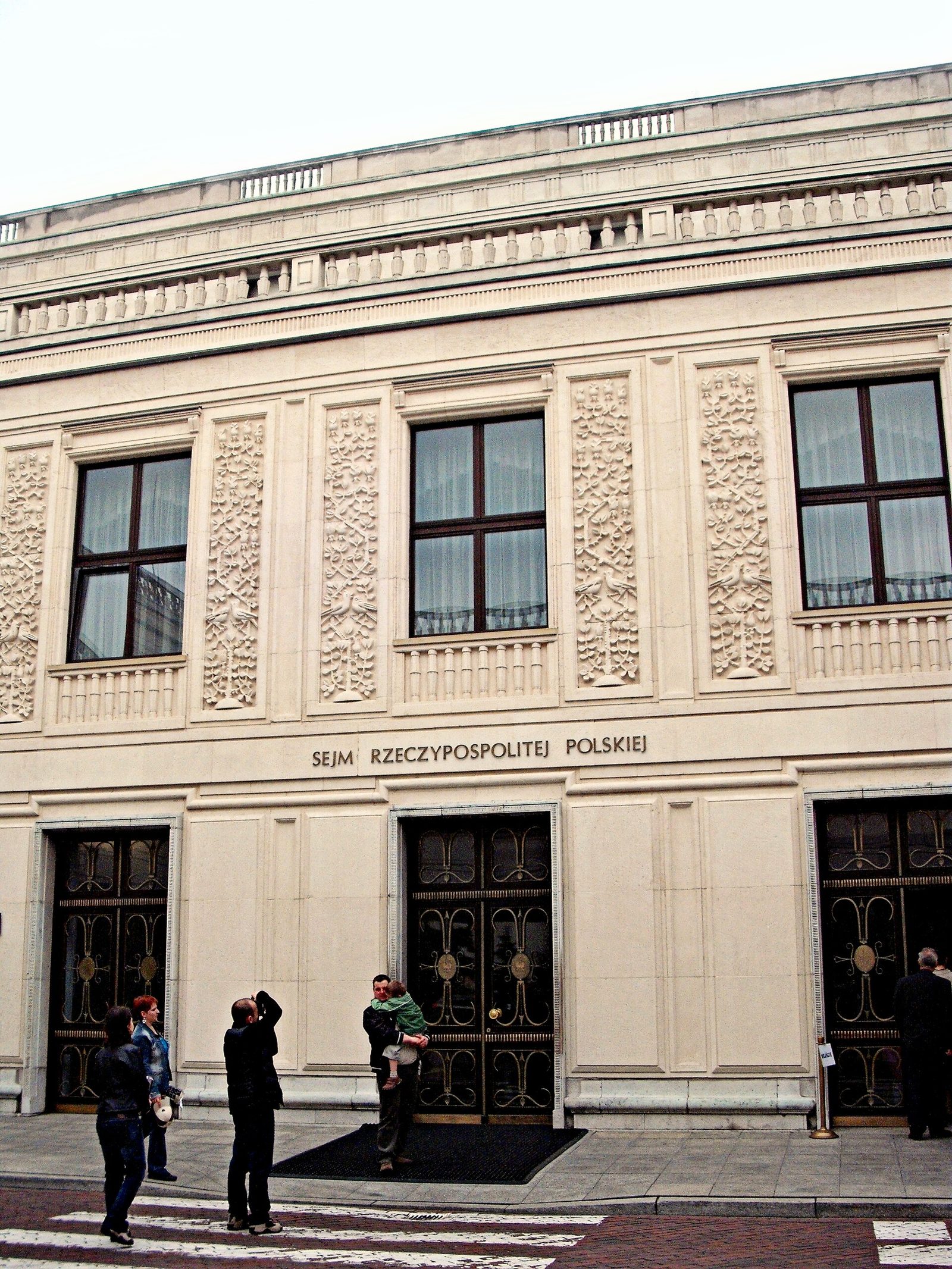
Women's rights activists in Poland have opened what they say is the world's first delivery locker supplying abortion pills, in a building opposite the Polish parliament. The "Abortomat" opened in late September and has 22 pink lockers.
To open one, a woman receives a PIN code from the organisation Women Help Women after completing a medical questionnaire, which is then checked by a doctor. Each compartment holds a package that normally contains two drugs, mifepristone and misoprostol, usually taken up to the 14th week of pregnancy.
Justyna Wydrzynska, an activist from the nonprofit Abortion Dream Team, showed the locker in a small room behind a tasseled portiere at Abotak, Poland's first abortion centre. She said she believes the machine does not break the law because it is a machine, not a person, that delivers the pills, though she admits she is not sure.
Poland and Malta are the only two EU member states that do not allow abortion on request. In Poland, abortion is allowed only when the pregnancy is the result of a crime — rape or incest — or when it endangers the health or life of the woman. Women who have an abortion are not criminalised, but anyone who helps them risks up to three years in prison.
Wydrzynska was the first activist to be convicted in Poland of helping a woman to have an abortion by sending her pills. The conviction was later overturned and the court ordered a retrial.
Dr. Sabrina Mana-Walasek, a reproductive rights lawyer representing Wydrzynska, said the legal environment for abortion pills is "complicated." She said that although mifepristone is not registered in Poland, it is registered in the European Union, and that a woman who orders pills for herself and pays for them herself commits no crime.
The ultra-Catholic legal group Ordo Iuris disagrees and has notified the prosecutor's office that the activists are committing a crime. Katarzyna Gesiak, director of the Ordo Iuris Center for Medical Law and Bioethics, said the machine is operated by people who send the code and restock the compartments.
Natalia Broniarczyk, another Abortion Dream Team activist, said the group helps about 130 women daily in Poland. About 125 of them use pills that cost about €75, while the remainder travel to a clinic abroad. Just 851 abortions were performed in Polish hospitals last year.
Prime Minister Donald Tusk pledged before the 2023 parliamentary election to introduce abortion on demand up to the 12th week of pregnancy, but his coalition has been unable to agree a common position. Separate bills failed to obtain parliamentary approval in 2024, and Tusk later said abortion on request would not be possible during the current parliamentary term. In October, two bills were resubmitted to the Sejm, the lower house.
Wydrzynska said anti-abortion activists regularly demonstrate outside Abotak, using horns and loudspeakers to pressure the landlord to revoke the rental agreement.
Sources — how we know this
- PrimaryDeutsche Welle (EN)