This story is currently available in англійська only — a translation isn't ready yet.
AfD deportation row revives calls for a party ban in Germany
Thuringia's interior minister Georg Maier says the völkisch wing around Björn Höcke controls the AfD, as a Bundestag group split over deportations revives calls for a ban.
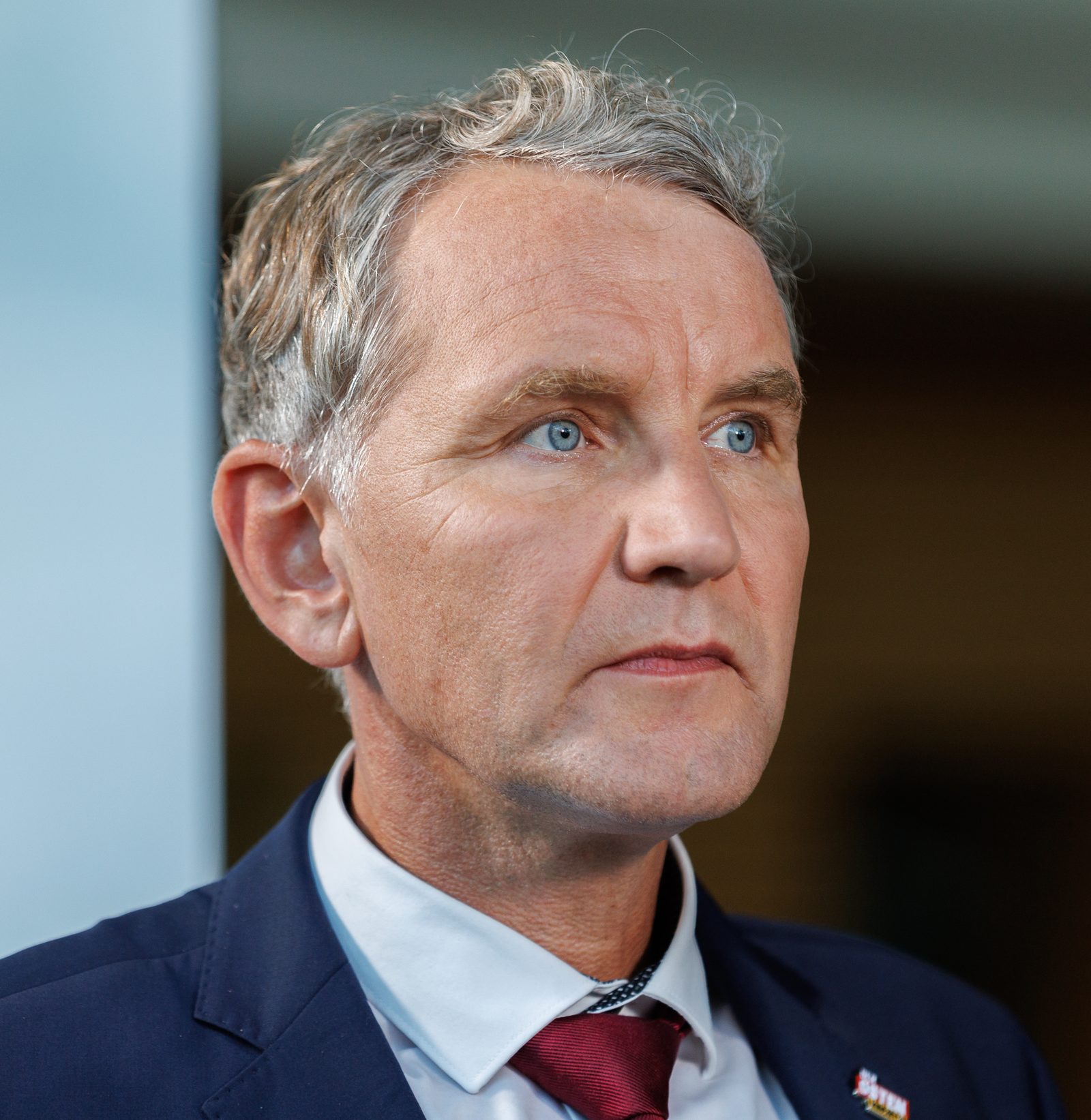
Germany's debate over banning the Alternative for Germany has sharpened after a public split in the party's Bundestag group over mass deportation policy, with a Social Democrat state interior minister saying the row shows the party's völkisch wing is already in charge.
Thuringia's interior minister Georg Maier (SPD) said the controversy revealed that "the völkisch nationalists around Höcke have long since taken command in the AfD", referring to Björn Höcke, the party's Thuringia state and parliamentary group leader. He said the attempt at tactical moderation by co-leader Tino Chrupalla and MP Maximilian Krah had failed, and that völkisch ideology could therefore be attributed to the party as a whole. That, he said, could be decisive for ban proceedings, because völkisch thinking contradicts Article 1 of the Basic Law. It was "high time to launch the ban proceedings".
The row began with US border enforcement under President Donald Trump. Chrupalla attributed Republican concerns about immigration enforcement to recent ICE operations in which several individuals were killed. In a video message he said: "I don't want to see ugly images in Germany," and doubted that such a policy would bring the AfD better election results.
Co-leader Alice Weidel backed hardline immigration enforcement approaches in a post on X. The party ties "Remigration" to the idea of moving migrants out of the country on a large scale; Brandenburg AfD leader René Springer has written on X that the party wants to deport people "in the millions". Weidel endorsed the concept at the party congress in Riesa in early 2025.
The head of the AfD youth organisation Generation Deutschland, Jean-Pascal Hohm, wrote on X that it was "the historic task of the AfD to preserve Germany as a country of the Germans", adding that millions of people would have to leave the country.
SPD interior spokesman Sebastian Fiedler called on the federal government and the Länder to bring the evidence together and examine it quickly, naming the völkisch state associations in Thuringia, Saxony, Saxony-Anhalt and Brandenburg. He said Russia contacts would also have to be considered in a ban review. Greens interior spokesman Marcel Emmerich said the AfD's "spiral of radicalisation apparently knows only one direction". Dennis Radtke, head of the CDU workers' wing, said a "further stage of radicalisation" lay ahead. Emmerich warned that an AfD-led state government in Saxony-Anhalt would give the party far-reaching influence over police, administration and schools.
Sources — how we know this
- PrimaryHandelsblatt