This story is currently available in англійська only — a translation isn't ready yet.
Copenhagen's Cleantech Cheque and the Quiet Rewrite of State Aid Doctrine
An €84 million Danish scheme, approved on a routine daily notice, tells you more about where industrial policy is heading than any speech in Strasbourg.

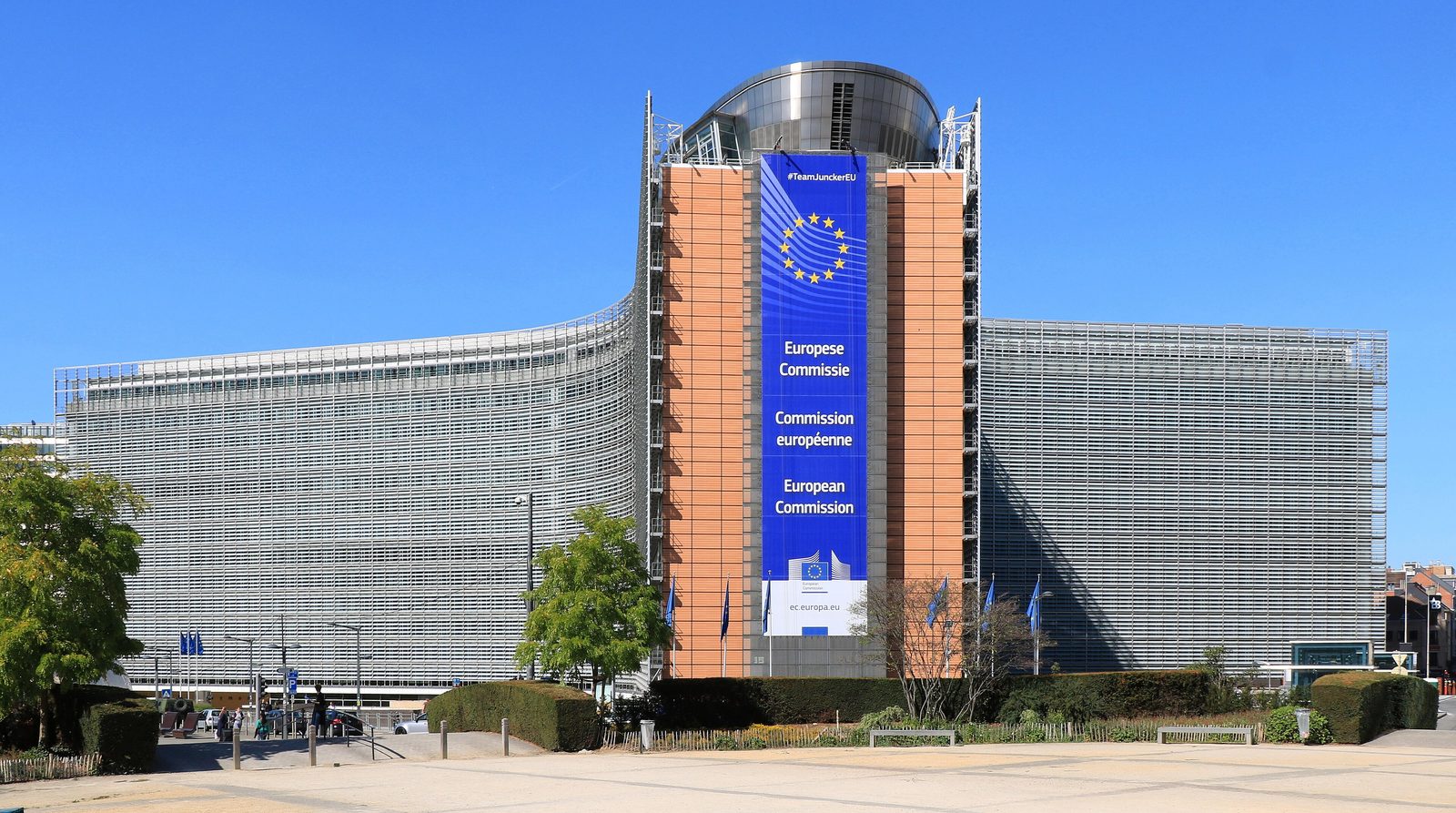
The item arrived in the way genuinely important things now arrive in Brussels: as the fourth bullet on a Daily News page. On 10 August, the Directorate-General for Competition cleared an €84 million Danish State aid scheme to support cleantech manufacturing capacity. No ceremony. No press point. A paragraph, a legal base, a green light.
Read the paragraph carefully, because the paragraph is the story.
The scheme sits under the Temporary Crisis and Transition Framework — the instrument the college quietly extended and rebranded after the energy shock, and which has become the workhorse for what officials still refuse to call, out loud, European industrial policy. Denmark, of all member states, is using it. That is the first thing worth pausing on. Copenhagen has historically been the capital most allergic to State aid, the delegation that used to arrive at Council working groups with a speech about level playing fields already drafted. When the Danes start writing cheques to cleantech manufacturers, the doctrinal shift is complete.
Who wrote this compromise? Not the Danes alone. The Transition Framework, in its current form, was the price Berlin and Paris extracted for tolerating the Inflation Reduction Act across the Atlantic. The smaller, fiscally conservative capitals — The Hague, Stockholm, Copenhagen, Dublin — spent 2023 and 2024 warning that loosening State aid rules would fragment the single market along the fault line of national treasuries. They were right. They lost anyway. And the tell, two years on, is that they have stopped fighting and started drawing from the same well. €84 million is not a large sum. It is a signal that the Danish finance ministry has concluded the game is now played on this field, and abstaining means forfeiting.
The legal architecture matters for what comes next. Approval under the Transition Framework requires the Commission to verify that the aid is necessary, proportionate, and does not unduly distort competition. In practice, the Directorate-General for Competition has been approving these schemes at a pace that suggests the proportionality test has become, shall we say, generous. This is the enforcement question nobody wants to ask out loud: if every capital with fiscal room is now subsidising cleantech capacity, what is the counterfactual against which distortion is measured? The honest answer is that the counterfactual is Washington and Beijing, not Rotterdam or Hamburg. The internal market analysis has been quietly subordinated to an external competitiveness analysis. Nobody voted for that. It happened in decision memos.
For a compliance officer in Lyon on Monday morning, the practical consequence is this. If your client is a mid-cap manufacturer weighing where to site a new electrolyser line or battery component facility, the map of available subsidy has just expanded again. Denmark joins Germany, France, Spain, and Italy as jurisdictions where the aid conversation is open rather than theoretical. The advisory work shifts from whether aid is available to which jurisdiction offers the cleanest approval path and the fastest disbursement. That is a different profession from the one State aid lawyers were trained for.
The Gulf transmission is less obvious here than in digital files, but it exists. Emirati and Saudi sovereign vehicles have been building cleantech manufacturing partnerships across Europe on the assumption that host-state subsidy would de-risk the capital expenditure. Every scheme approved under the Transition Framework raises the implicit floor on what a Gulf co-investor can expect a European partner to bring to the table. Riyadh's industrial planners read the Daily News page too. The €84 million in Copenhagen tells them that even the traditionally austere capitals are now in the game, which means the negotiating leverage of European manufacturers seeking Gulf capital has, marginally, improved.
One institutional actor deserves a word. The case handlers inside the Directorate-General for Competition are working under a framework their predecessors would not recognise, applying tests that were designed for a doctrine their current college has effectively abandoned. They are professionals. They will produce reasoned decisions. But the intellectual coherence of European competition policy — the thing that gave the Directorate-General its authority for three decades — is being spent down, one €84 million approval at a time. That bill will arrive eventually. It will not be paid by the people who signed the memos.