This story is currently available in англійська only — a translation isn't ready yet.
Democrats target AI political ads after $137 million midterm wave
At least five bills have been introduced since March to regulate or ban AI in campaign advertising, with 27 states requiring disclosure and four banning it outright.
ℹ️ Озвучка браузером · студійний голос ШІ незабаром
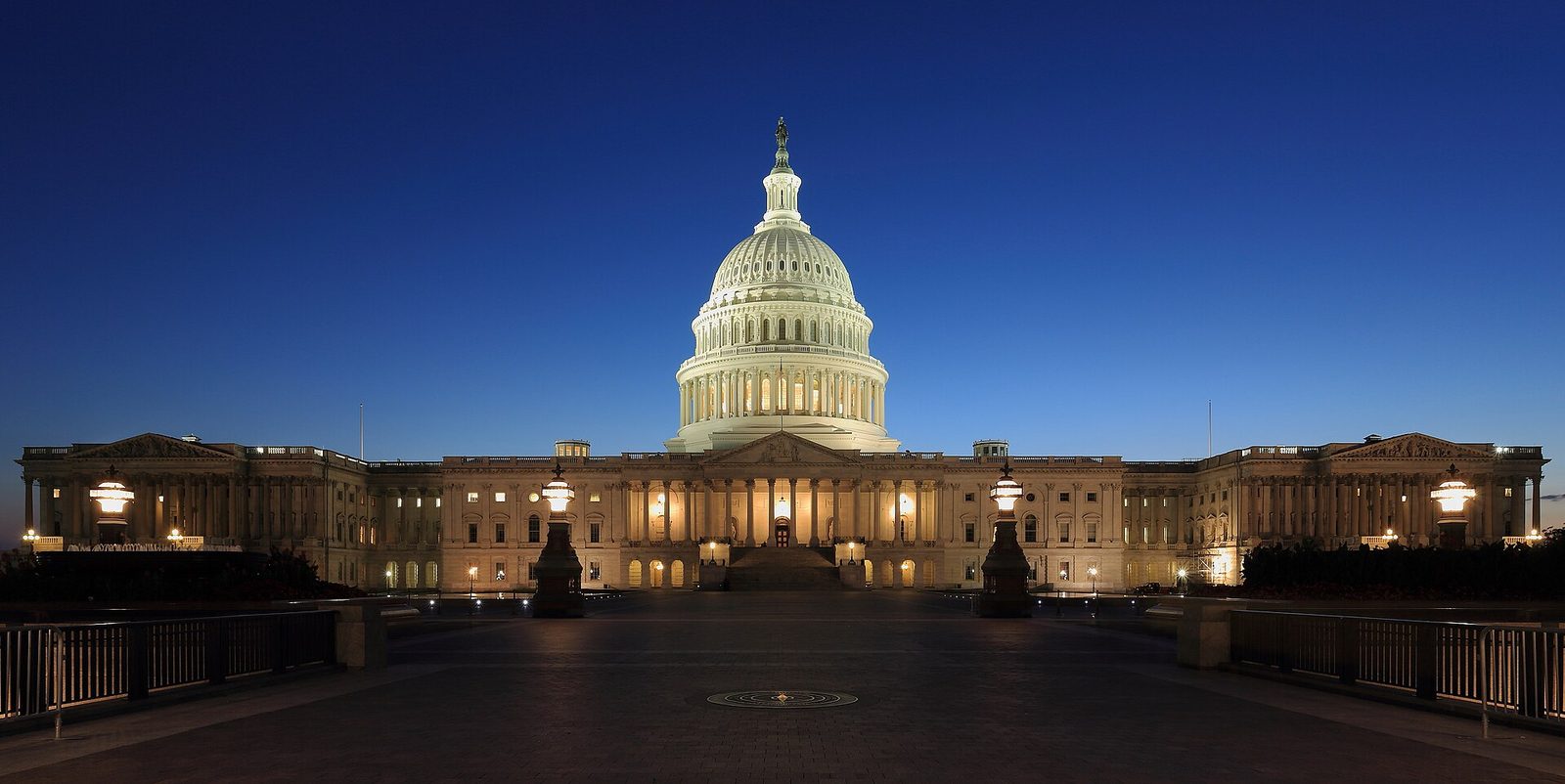
At least five bills have been introduced in Congress since March to regulate or ban the use of artificial intelligence in campaign and political advertisements, as incoming Democratic majorities prepare to take control in January.
The push follows a midterm cycle in which $137 million was spent to produce and distribute 220 AI ads, according to the Wesleyan Media Project. The project found that 81 percent of those ads were produced by Republicans and 12 percent by Democrats, and that only 27 percent of the ads — which appeared in 34 states — contained disclosure of AI use.
Twenty-seven states require disclosure of AI use in political ads and four ban it altogether, creating a patchwork of differing laws across the country. The fabricated images in real ads this cycle included James Talarico wearing a dress, Abdul El-Sayed laughing at messages celebrating 9/11 and Spencer Pratt fighting Batman-world villains in postapocalyptic Los Angeles.
Rep. Yvette Clarke (D-N.Y.) introduced the REAL Political Advertisements Act in October to mandate disclosure. "Protecting democracy from manipulative tools," she said, is essential to prevent panic or disrupt the peaceful transfer of power in the United States.
Rep. Shontel Brown (D-Ohio) introduced legislation that would ban the use of AI if it "deprives or defrauds" someone of their right to vote. Outgoing Sen. Amy Klobuchar (D-Minn.) reintroduced bipartisan legislation barring "materially deceptive" AI use in federal races, and Sen. Jeff Merkley (D-Ore.) introduced a bill banning "false AI-generated election media."
The AI Ads Act, introduced by Rep. Ro Khanna (D-Calif.) and Sen. Adam Schiff (D-Calif.) in July, takes a different approach, codifying a Federal Election Commission ruling that AI content already falls under a statutory prohibition on "fraudulent misrepresentation."
Sarah Binder, a senior fellow in governance studies at the Brookings Institution, said Democrats will need to build a coalition behind a single proposal. "To get lawmakers to coalesce around a single version of a bill," she said, is always hard, even in a majority party.
Cody Venzke, a senior staff attorney at the American Civil Liberties Union, said the organization is generally skeptical of bills that mandate disclosure. He said what really matters for these laws is for lawmakers to "ensure that they're not burdening the political speech of your average citizen," adding that a mandated label is less likely to run afoul of the First Amendment than a full ban.
Rep. Suhas Subramanyam (D-Va.) said any disclaimer must be prominent even when an ad is viewed on a cell phone. Clarke said she has yet to speak with leadership but will "aggressively" push to get her bill passed before the 2028 presidential election cycle fully kicks off.
Sources — how we know this
- PrimaryThe Hill