This story is currently available in англійська only — a translation isn't ready yet.
EU leaders name five-country 'E5' team to represent Europe in Ukraine peace talks
Dublin summit rejected the single-envoy model, tasking Germany, France, Poland, Italy and the UK — plus Commission and Council officials — with leading negotiations.
ℹ️ Озвучка браузером · студійний голос ШІ незабаром
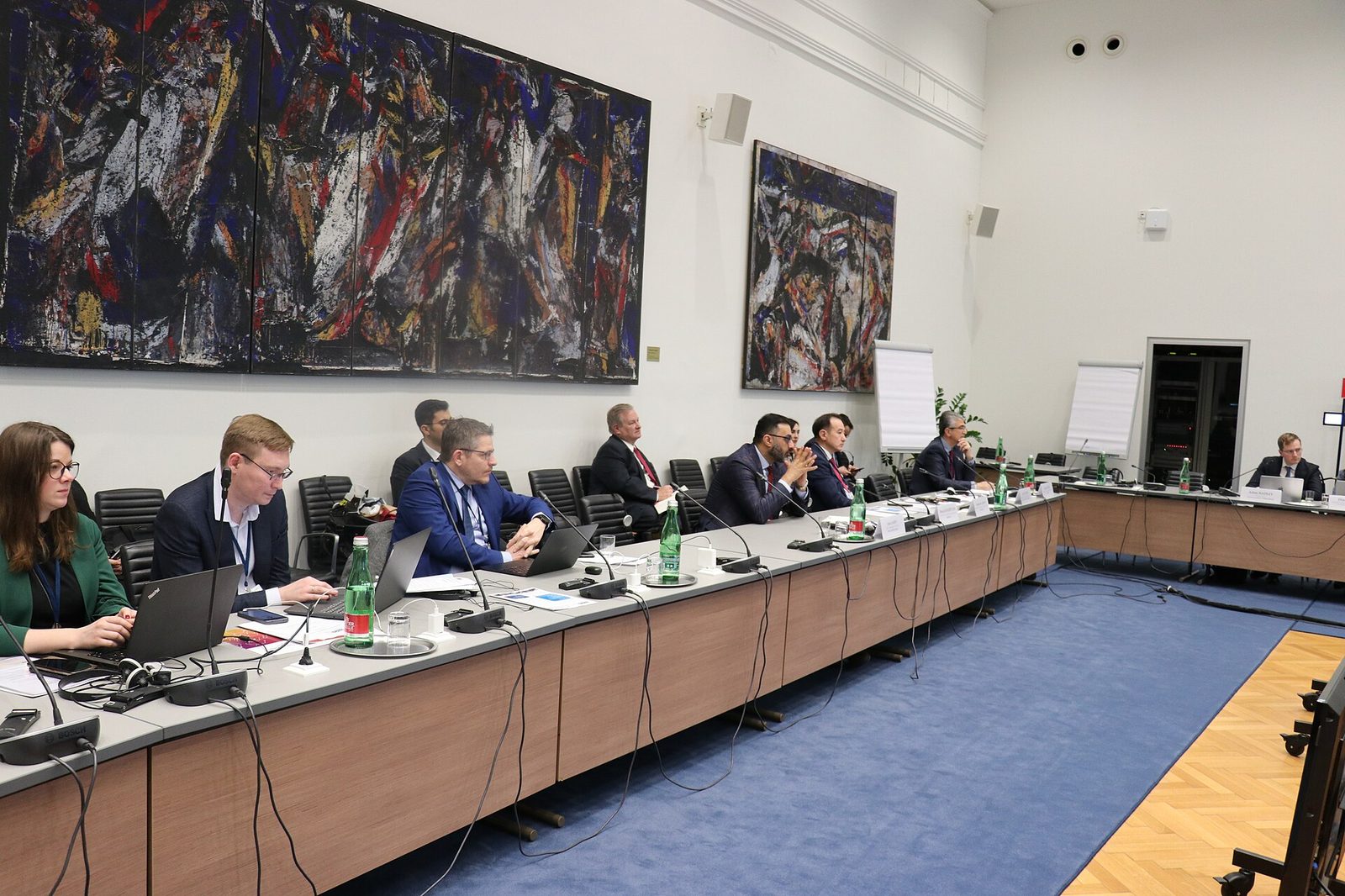
EU leaders at Friday's Dublin summit decided that Europe will enter Ukraine peace negotiations as a team rather than through a single representative, ending weeks of fruitless searching for a "superhero" negotiator.
The formation, labelled the "E5", brings together Germany, France, Poland and Italy from the EU alongside the United Kingdom, with officials from the European Commission and the European Council also taking part. The structure mirrors the multi-track character of European interests: the Commission controls EU sanctions and Ukraine's accession process, while NATO members and national capitals set security architecture — no single figure could hold all those mandates.
Ukrainian President Volodymyr Zelenskyy had pushed this week for Europe to identify one person within days, and indicated he had a preference — which he declined to name. He did not get his way.
Talks this week in Abu Dhabi were technical, involving senior officials rather than political leaders. Russia sent a Kremlin aide to lead its delegation; Ukraine tasked its intelligence chief. Both Ukraine and US envoys mediating the discussions said the immediate next step is for European representatives to join those technical talks with Russia.
Russia's top negotiator Vladimir Medinsky said European security architecture was the central topic discussed in Abu Dhabi. He argued that "the entire security system operating after Yalta and Potsdam is working poorly" and that an abscess had broken through in Ukraine. Ukraine's team noted that the hardline Russian approach softened a little when Moscow's representatives saw the chance to talk about their wider demands on European security.
A key unresolved question is the sequencing of negotiations — most significantly, when Europeans should allow discussion of Russia's demand to overhaul regional security. Kaja Kallas, the EU's chief diplomat, said there must be no discussion of wider European security architecture — such as NATO configurations, troop deployments and working forums for consultations with Russia — until after the peace deal is finalized. But EU officials in Abu Dhabi signalled their readiness to allow parallel tracks, so Ukraine's peace settlement and Europe's future security structures could be discussed at the same time.
One EU diplomat explained that "Europe hasn't found one person who can represent the whole of Europe" because Europe is not a superstate. Sweden's Prime Minister Ulf Kristersson, arriving at the summit, said that "what we actually say is more important than the exact configuration" of the people involved in negotiations.
Sources — how we know this
2 independent sources corroborated this
- PrimaryPOLITICO Europe
- CorroboratingFrance 24 (EN)