This story is currently available in англійська only — a translation isn't ready yet.
EU's 2027 LNG ban forces Russia to rewire Yamal gas trade
Europe took 81% of Yamal's recorded deliveries between January and October 2026, a bill of €8.7 billion, before the January 1, 2027 import ban takes effect.
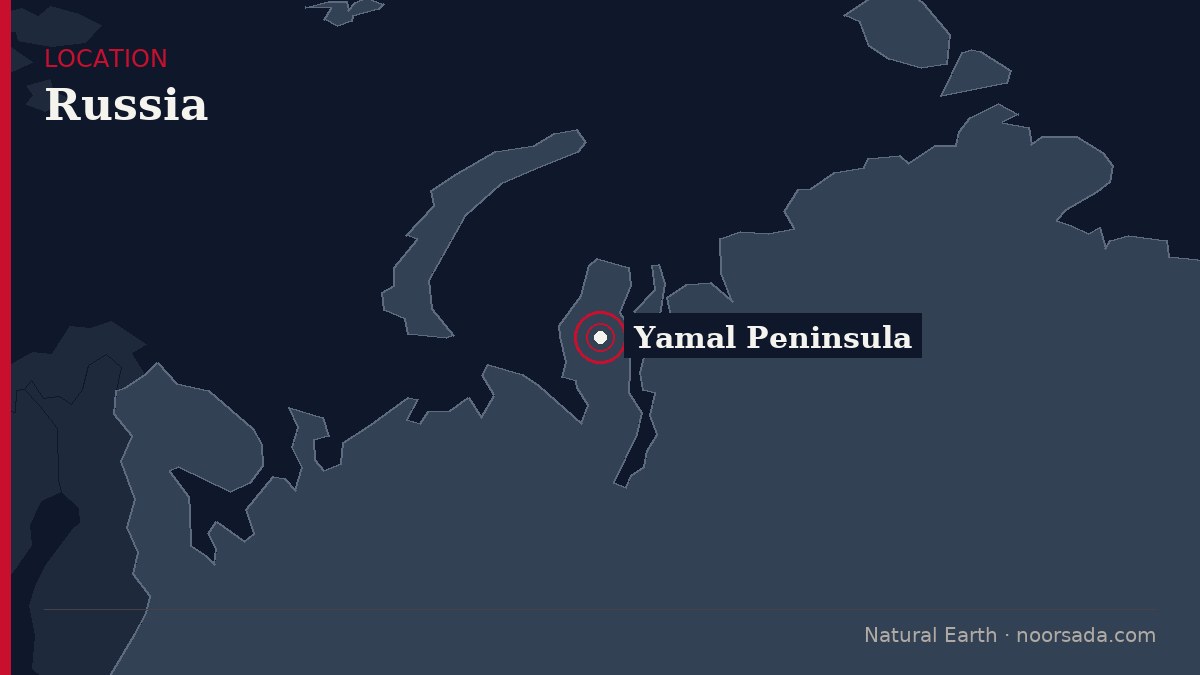
An EU ban on Russian liquefied natural gas imports from January 1, 2027 will cut Yamal, Moscow's flagship Arctic project, off from its nearest market and force it to rebuild shipping routes toward Asia.
Between January and October 2026, 81% of Yamal's recorded deliveries went to Europe as companies rushed to get ahead of the ban, according to analysis by the NGO Urgewald. It put Europe's bill for the period at €8.7 billion, already above its €7.2 billion estimate for all of 2025.
The ban ends the long-term contracts still tying Yamal to Europe. Longer voyages mean higher costs and fewer trips per tanker each year. "It's not easy. It's not cheap. It's very slow," said Malte Humpert, senior fellow and founder of the Arctic Institute, though he expects Russia will "figure it out."
Urgewald sanctions campaigner Sebastian Rötters said a classic shadow fleet has not been needed so far because Yamal is not under sanctions, and Martin Vladimirov of the Center for the Study of Democracy said LNG carriers are fewer and easier to track than oil tankers. Vladimirov pointed to a possible "virtual swap," with Russia selling more gas to Turkey or China that those buyers then replace with other volumes for Europe.
Getting the gas east is the harder problem. Russia has 15 specialised tankers able to navigate the Northern Sea Route in winter, and only 11 ships have made the eastward winter trip since 2018, some returning with hull and propeller damage. Vladimir Panov, head of the Arctic Directorate at Rosatom, said last month the state nuclear corporation plans year-round eastward shipments with help from a new nuclear icebreaker expected in early 2027.
Ships damaged in ice can no longer be repaired in EU yards, and Rötters said China's repair capacity is limited. The alternative is to transfer cargoes near Murmansk onto conventional carriers; Russia has bought an estimated 20 to 25 second-hand ships for that purpose, Humpert said. A Mediterranean route via Suez has been largely avoided since March, when the Arctic Metagaz was attacked off Malta. The route around Africa takes 35 to 40 days one way, against 6 to 10 days to Europe.
Novatek, the company behind Yamal, acquired two medium-ice-class vessels from a Japanese company a month ago. Lithuanian Energy Minister Lukas Savickas, whose government takes the EU's six-month rotating presidency in January, said the matter needs "more attention on the European level," with monitoring of interconnection points, pipelines and ports across the EU.
Sources — how we know this
- PrimaryPOLITICO Europe
Energy Portfolio
Check your broker for the latest on energy stocks.
View Now →