This story is currently available in англійська only — a translation isn't ready yet.
Seven ships, twelve attacks in the Strait: two figures of narrow waters
The number of tankers passing through the strait fell to a two-month low; at least twelve attacks were recorded in five days — Brent remained above $100.

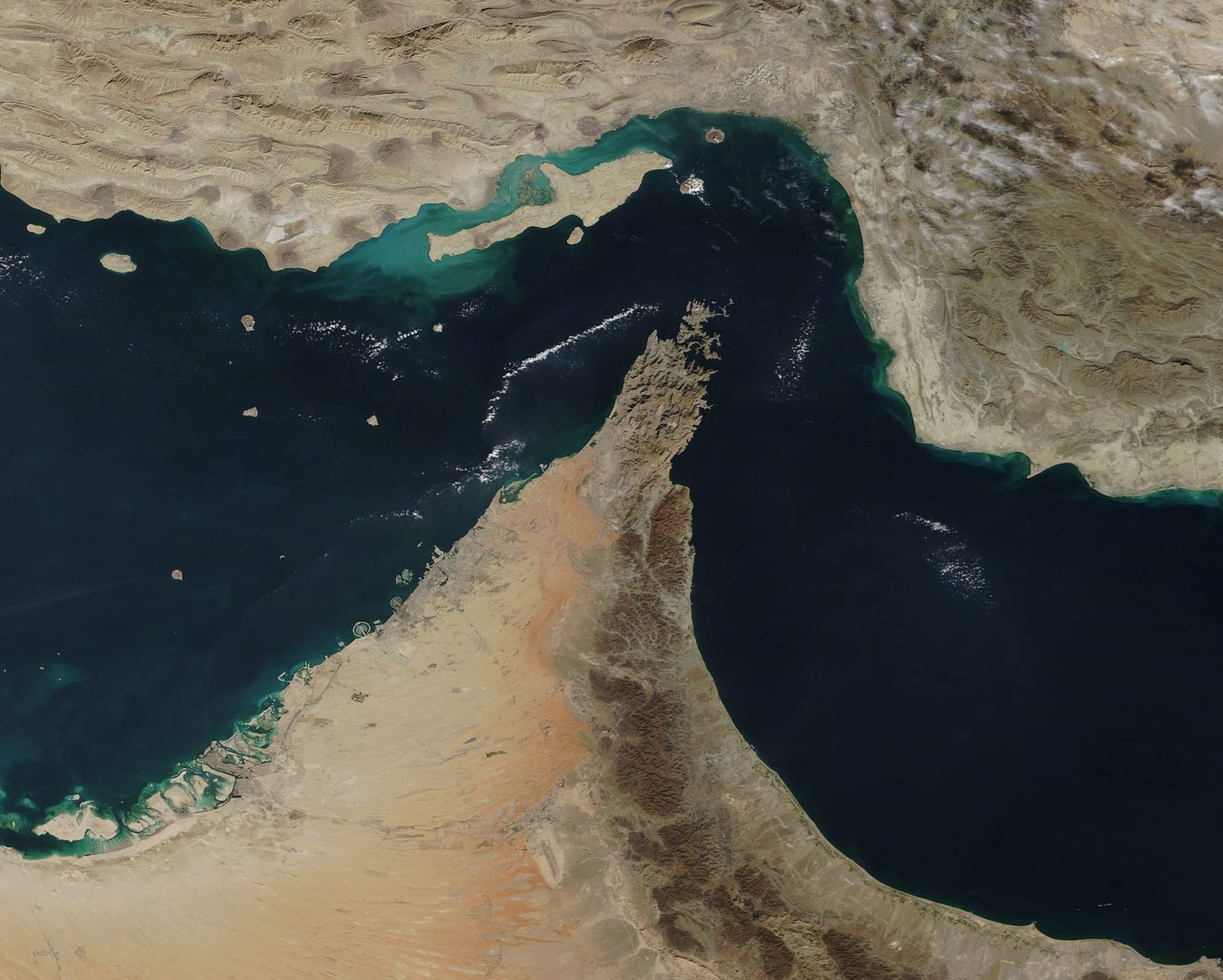
Two figures stand side by side this week in the southern passage of the Strait of Hormuz. First: seven. According to Kpler data, only seven commodity carriers passed through the strait on Tuesday; this is the lowest figure seen since the end of July. Second: twelve. According to data from the joint maritime information center led by the U.S. Navy, at least twelve attacks were carried out on tankers carrying crude oil, LPG and LNG between September 28 and October 2. The two figures coincide in the same week; this is a simultaneity, not a mechanical cause-and-effect — but they end up in the same narrow strait.
The reason I chose today is this: the amount of crude oil passing through the strait has fallen 27 percent compared to the wartime peak and has dropped to at least 10.1 million barrels per week. So the number is not just the number of ships, but barrels. A large slice of the crude oil the world consumes every day passes through this narrow strait; when that slice narrows, the price stirs. Brent was trading at $102.83 per barrel as these lines were written, WTI at $90.33 — both above where they started the week. Above $100 is a psychological threshold for the market; the longer it stays above this threshold, the refinery margins, airline tickets, and shipping bills heat up in sequence.
On whose decision did what narrow? According to Iranian press, the explosions occurred when tankers that had "entered without permission" into the southern passage struck mines laid at sea; the number of tankers, their flags or the extent of damage were not disclosed — the Fars News Agency, based in Iran, reported this citing security sources. The same week, news fell of a tanker being struck in the Gulf of Oman; that is the water where Saudi Arabia transfers its oil ship-to-ship to extract it from the gulf. In other words, the attack is not just inside the strait but at the transfer point just outside it. On the Washington side, meanwhile, sanctions against Iran were tightened one notch further this week: according to Reuters, on the latest list 17 new tankers carrying Iranian crude oil, fuel and petrochemicals were added to the sanctions regime. Reports circulated from the White House side that President Trump said "productive talks" were being held with Iran; the market looked not at this sentence but at what was happening in the water.
How does this change the day for a shipowner, an insurer, a refinery buyer? Directly: freight rates. Record-level freight rates are being offered for routes covering the Persian Gulf, because the attack risk is high. High freight rates turn into a shortage of empty tankers; ship-to-ship transfers also narrow the pool of available vessels. The result: physical delivery oil prices in other parts of the world are rising faster than futures prices on paper. In other words, even a cargo not passing through the strait is facing a higher bill; because the ship that would carry that cargo is queued elsewhere.
I can summarize the picture in the strait in one sentence: seven transits is the measure of scarcity, twelve attacks is the measure of threat; together they explain why Brent stayed above $100, but one is not the cause of the other — both have a common cause, the erosion of security in narrow waters.
Looking ahead, I am focusing my attention on only one place: U.S. stocks. Whether the disruption in Hormuz reached the other side of the Atlantic or not — its first signal will be seen in the EIA's weekly crude oil inventory report. If stocks fall, the narrowing in the strait has touched U.S. supply; if they come in flat or positive, the price increase has so far remained as risk premium.
The strait's narrow waters are this week the world's most expensive corridor. Seven ships passed, twelve attacks were counted, Brent stayed above $100 — three figures, in the same water.
**REGIONAL NOTES**
**Middle East** — The ship-to-ship transfer point that Saudi Arabia uses to extract its oil from the gulf, that is the Gulf of Oman, was the scene of a tanker attack this week. The outside of the strait is now as risky as the inside; this means route and insurance costs for GCC exporters. For the Saudi side, the issue is now not just the price, but whether the ship can get out safely.
**Eurasia** — On the CIS side today, no new phenomenon packaged into the main story. The narrowing in Hormuz indirectly affects the price spread of Russian oil in Asia — since there is no data in the package to measure this spread, the note remains here; I am postponing commentary until after the EIA results tomorrow.
**Europe** — On the Europe front, the only direct signal from within the package today is this: if Brent stays above $100, refinery margins and fuel prices will be felt here first, because Europe is a market with high import dependency. The discussion of emergency oil releases that was previously raised will come back to the table if these levels persist.
**NOTEBOOK — DOLLAR/TL**
Dollar/TL stands at 49.34 today; yesterday it was 49.33 — the movement in the series is slightly more than a quarter percent. I will read the object from the same place every day; I am not establishing a direct mechanism with today's Hormuz story, the two series run parallel.
**A WORD FOR TOMORROW (10.10.2026)**
Tomorrow, October 10, when the EIA weekly crude oil inventory report is released, I will look at the change in stocks; if stocks fall, the Hormuz disruption has touched U.S. supply, if they come in flat or positive, the price increase is so far a premium — I will write it in a single sentence.